Narrating Slavery’s Wake
“Someone has to write a different story… why not me?” - Chinua Achebe
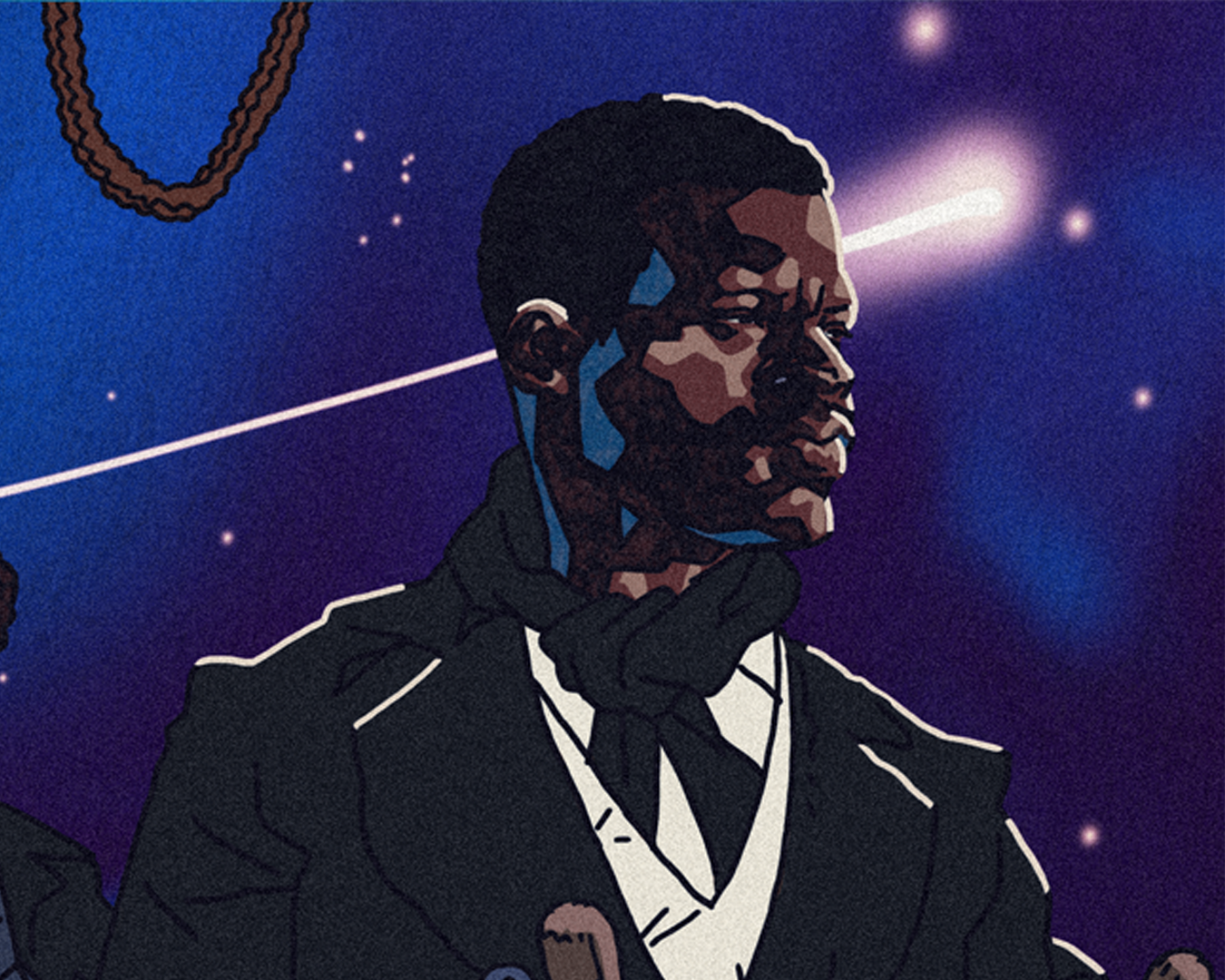
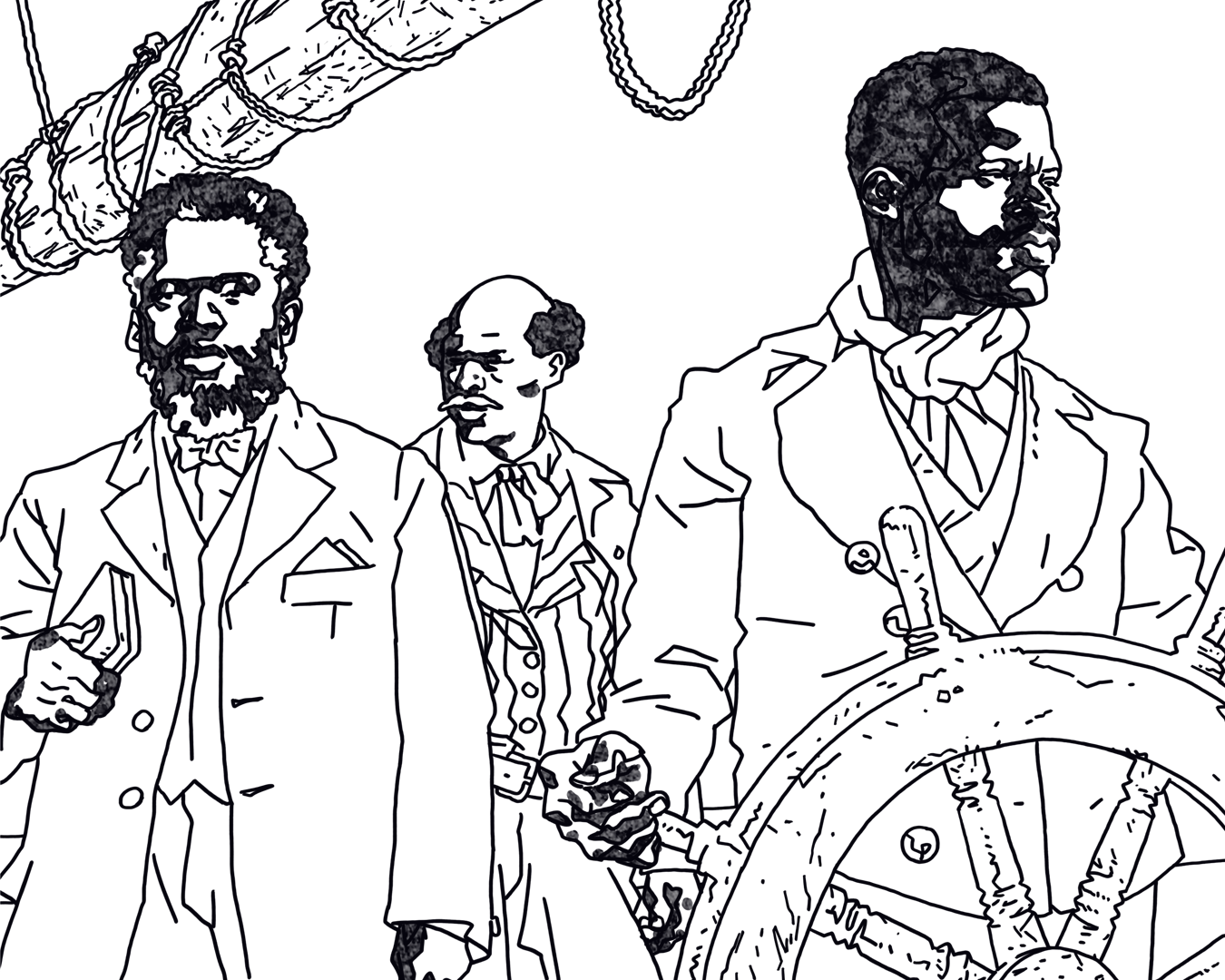
This was an illustration series commissioned for the National Museum of African American History and Culture’s global-touring exhibition, “In Slavery’s Wake”.
I was tasked with creating illustrations that would accompany, and help visualise the counter-narratives of the people whose lives were interrupted by slavery. The core mission was beautifully simple: speak to the attempted dehumanization of enslaved people, but always center “the ways in
which enslaved and colonized people resisted these global forces through myriad forms of freedom-making practices. This is a story of humanity, resistance, and determination.”
I got to work alongside a team of highly talented, collaborative, and kind historians and curators from NMAAHC and The Smithsonian Institute on this - some of whom had been working towards this for as long as 10 years. Thank you to Paul Gardullo for bringing me on board this amazing journey and for trusting me with these incredible stories. Thank you to Kate Rader for co-creating this amazing framework for me to play around in. And thank you to Johanna Obenda and Gabrielle Miller for their creative insights.
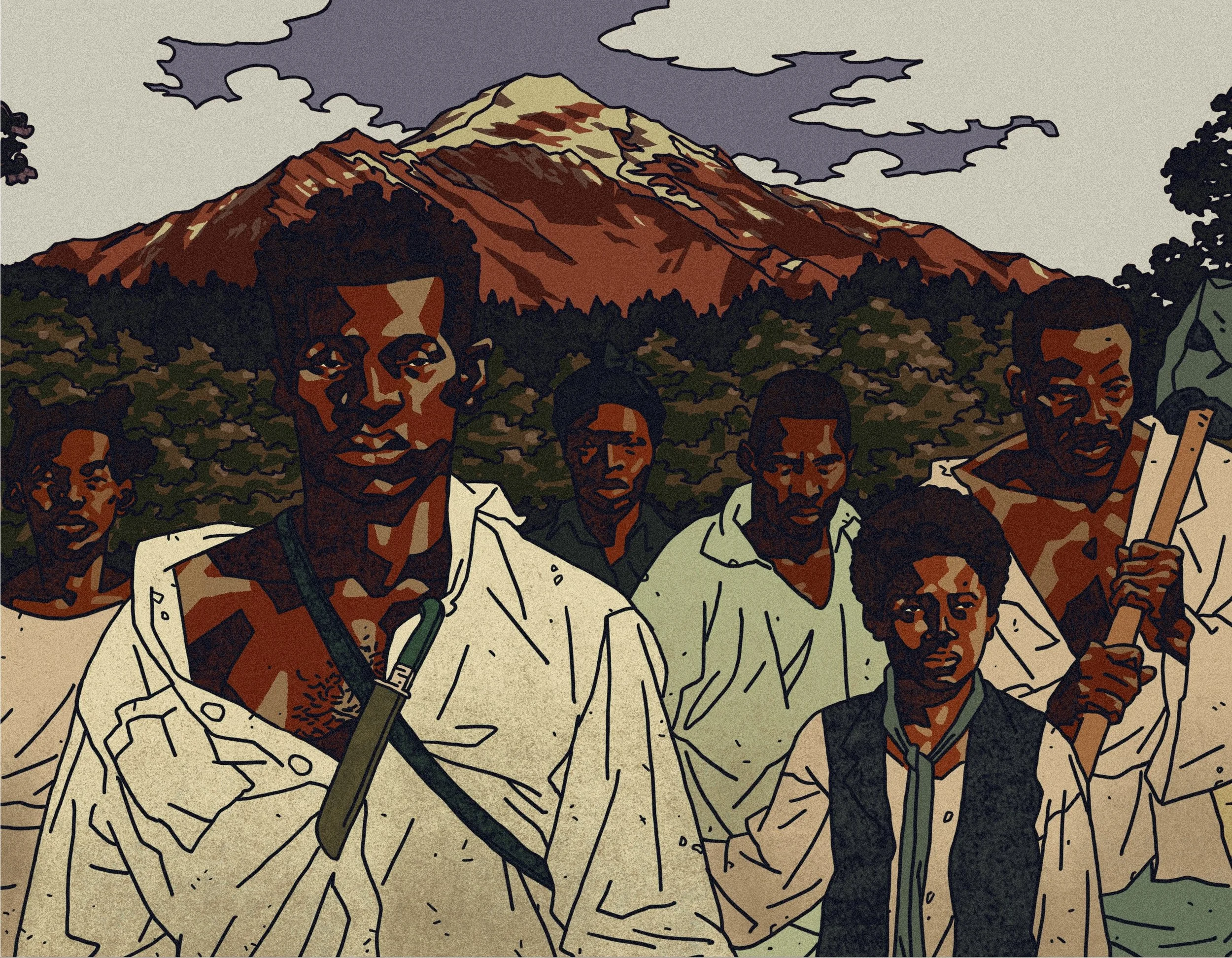
The Veracruz Maroons
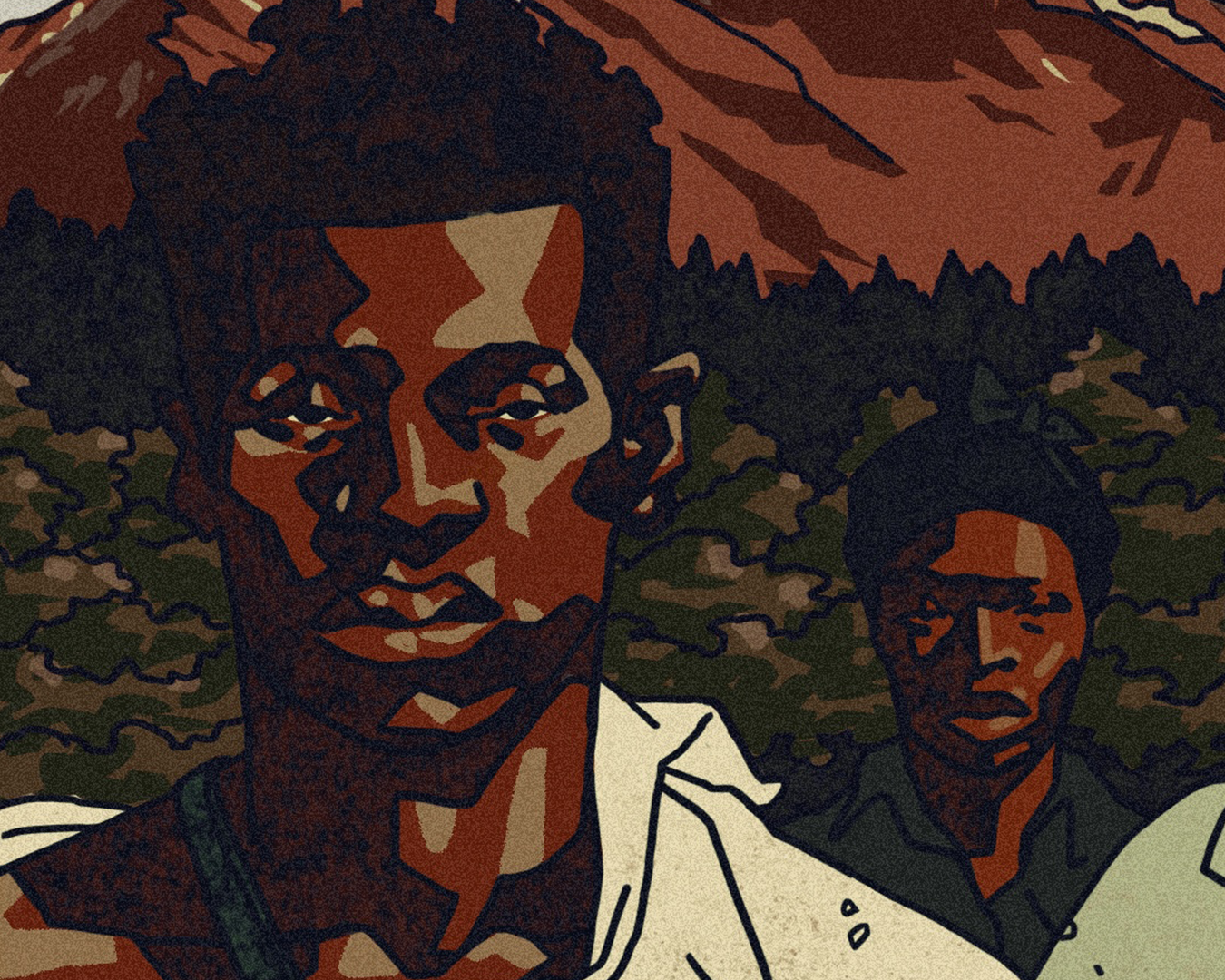
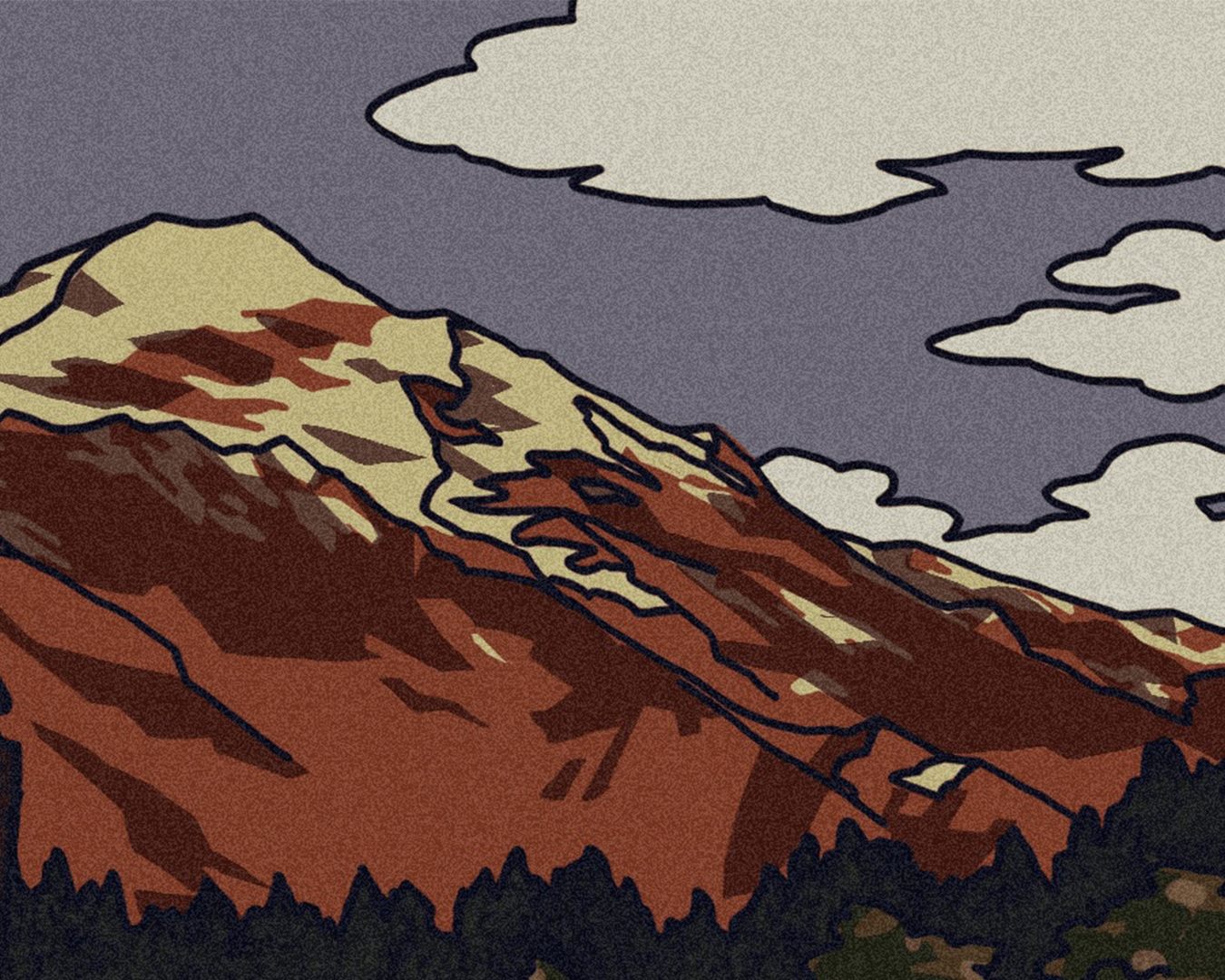
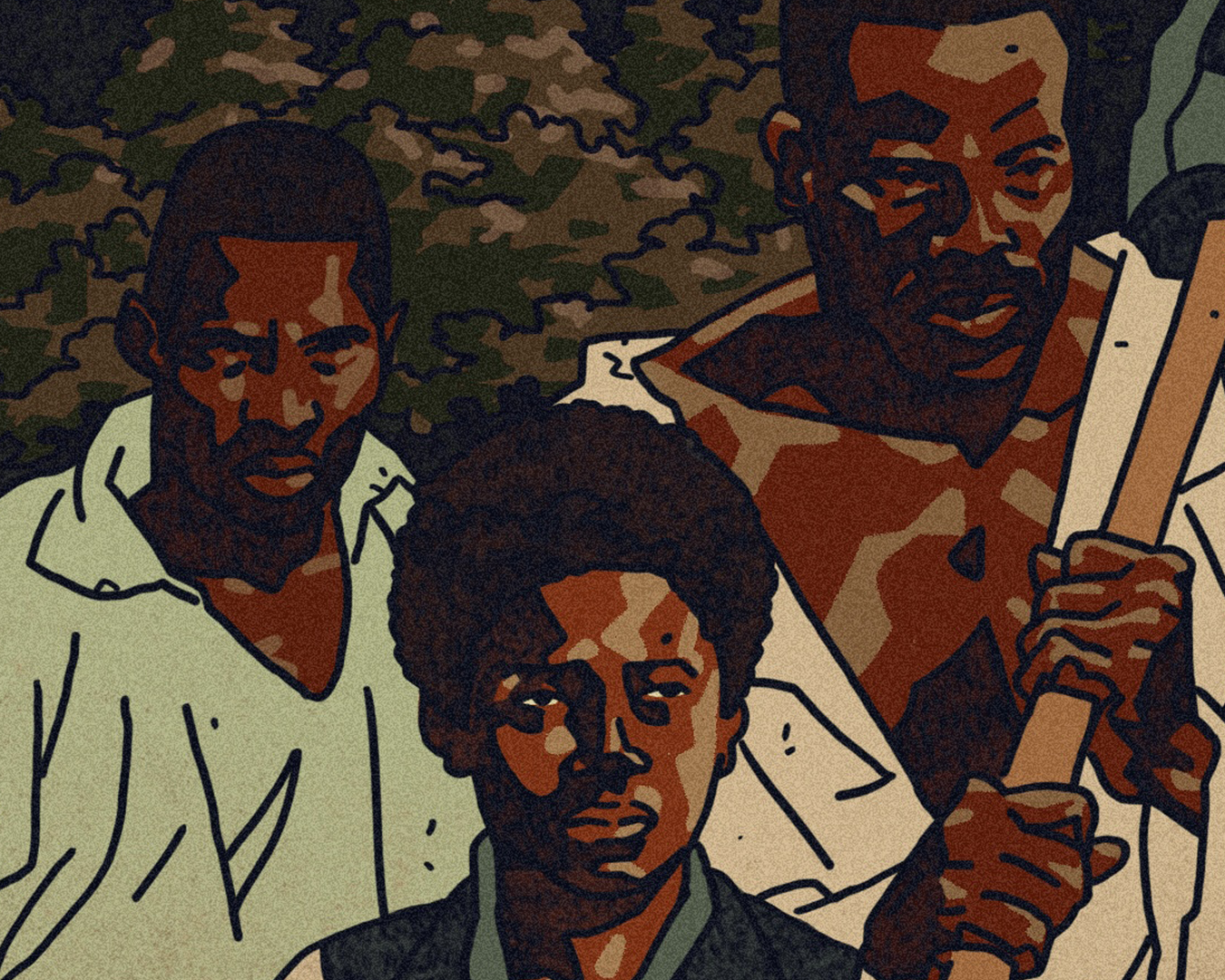
‘In the late 1500s, an escaped enslaved African named Gaspar Yanga founded a maroon community in the remote highlands of Veracruz, Mexico, where he and a group of escapees to created a self-governing settlement. After significant conflict with Spanish colonial authorities, Yanga and the Spanish negotiated a treaty that recognized the communities’ autonomy.’
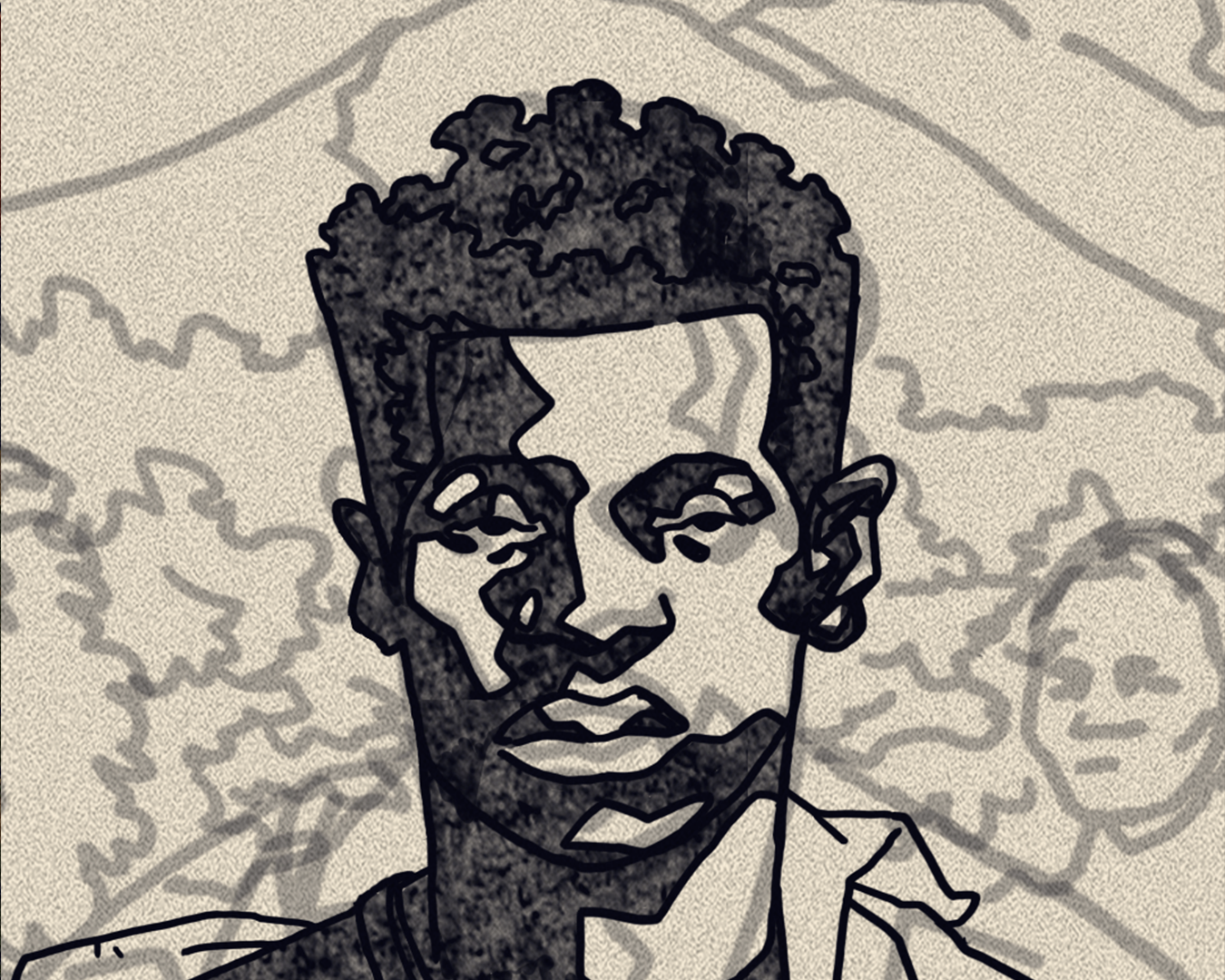
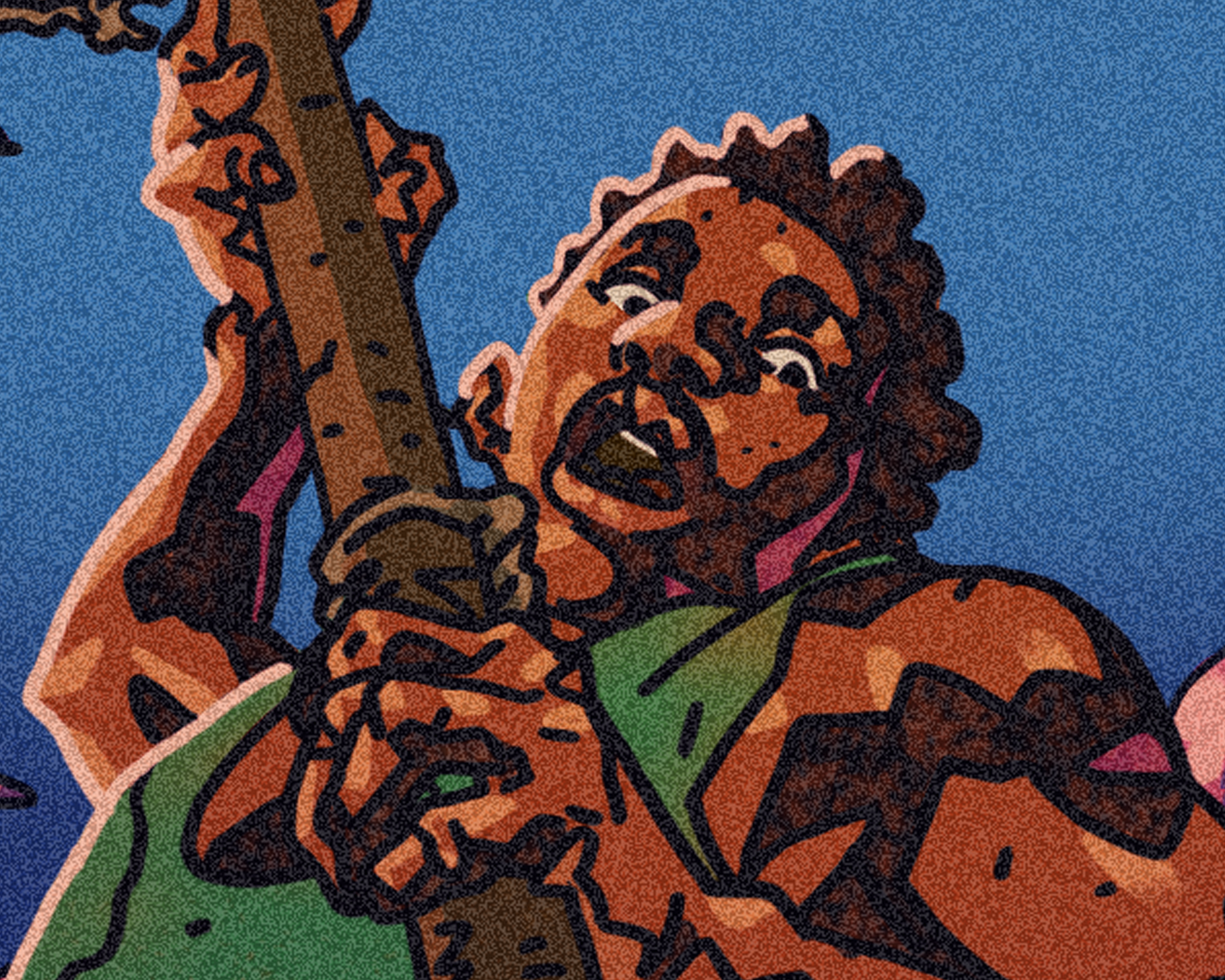
This is the most important drawing of the entire project. When brainstorming and sketching different styles and directions that the entire collection could take it wouldn’t have made sense to sketch 3-5 options of every single piece, so what we settled on was making the story of the Veracruz maroons the template for every other drawing that would follow in the series. It took the longest because this is where we had to figure everything out.
After some discussion and feedback we settled on 2 main tenets that we believed could philosophically and aesthetically tie the whole body of work together: ‘community’ and ‘environment’. Canonical history tends to exceptionalize and isolate individuals from the very groups and systems that made their achievements possible in the first place. So we wanted to avoid repeating that mistake as much as possible by always situating the figure/s in question within the communities that would have been essential to their goals - even if it sometimes meant not being able to identify who the ‘main character’ actually was. This story was the testing ground for a lot of failed experiments, but also the catalyst for all of the execution ideas that would be explored later on.
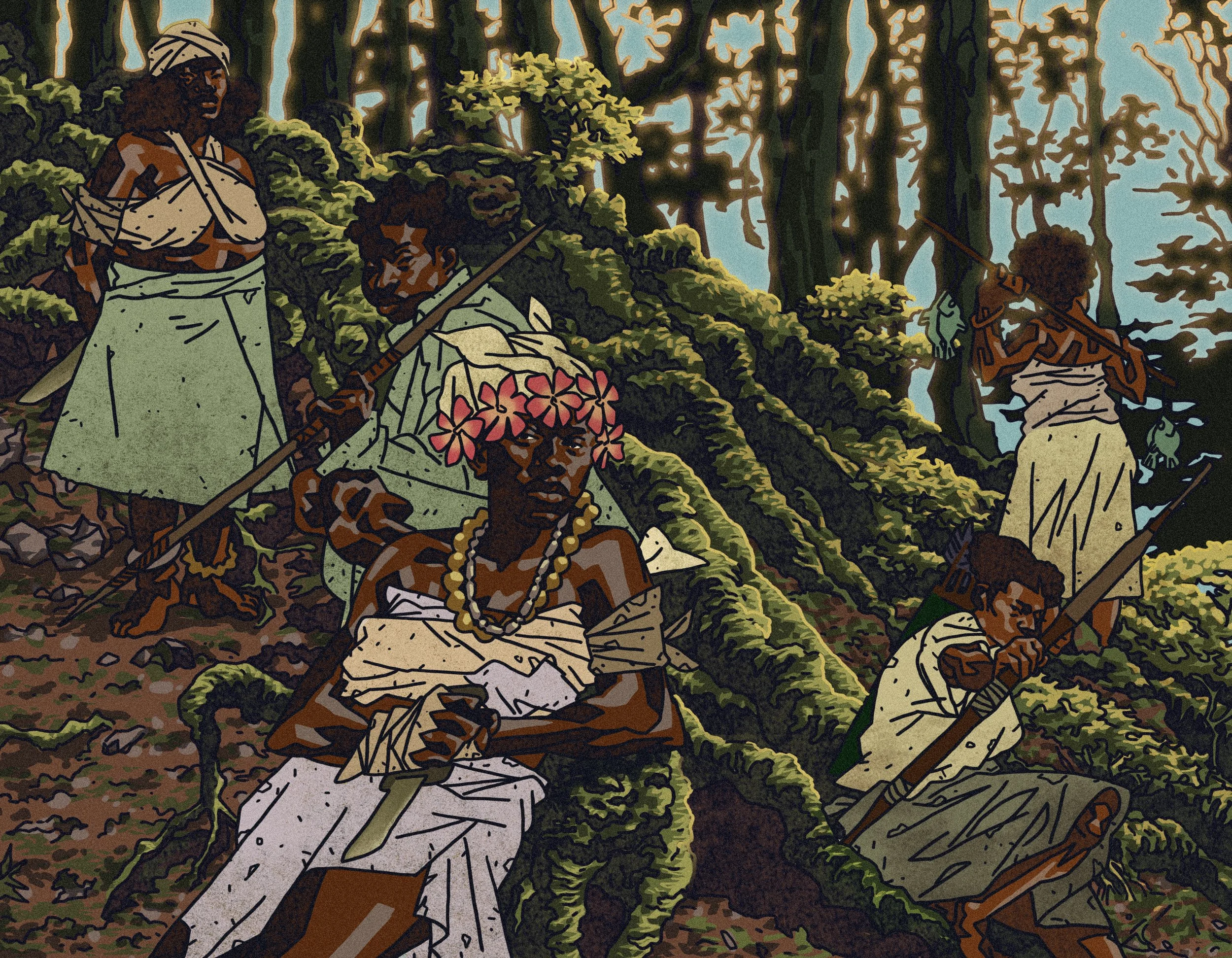
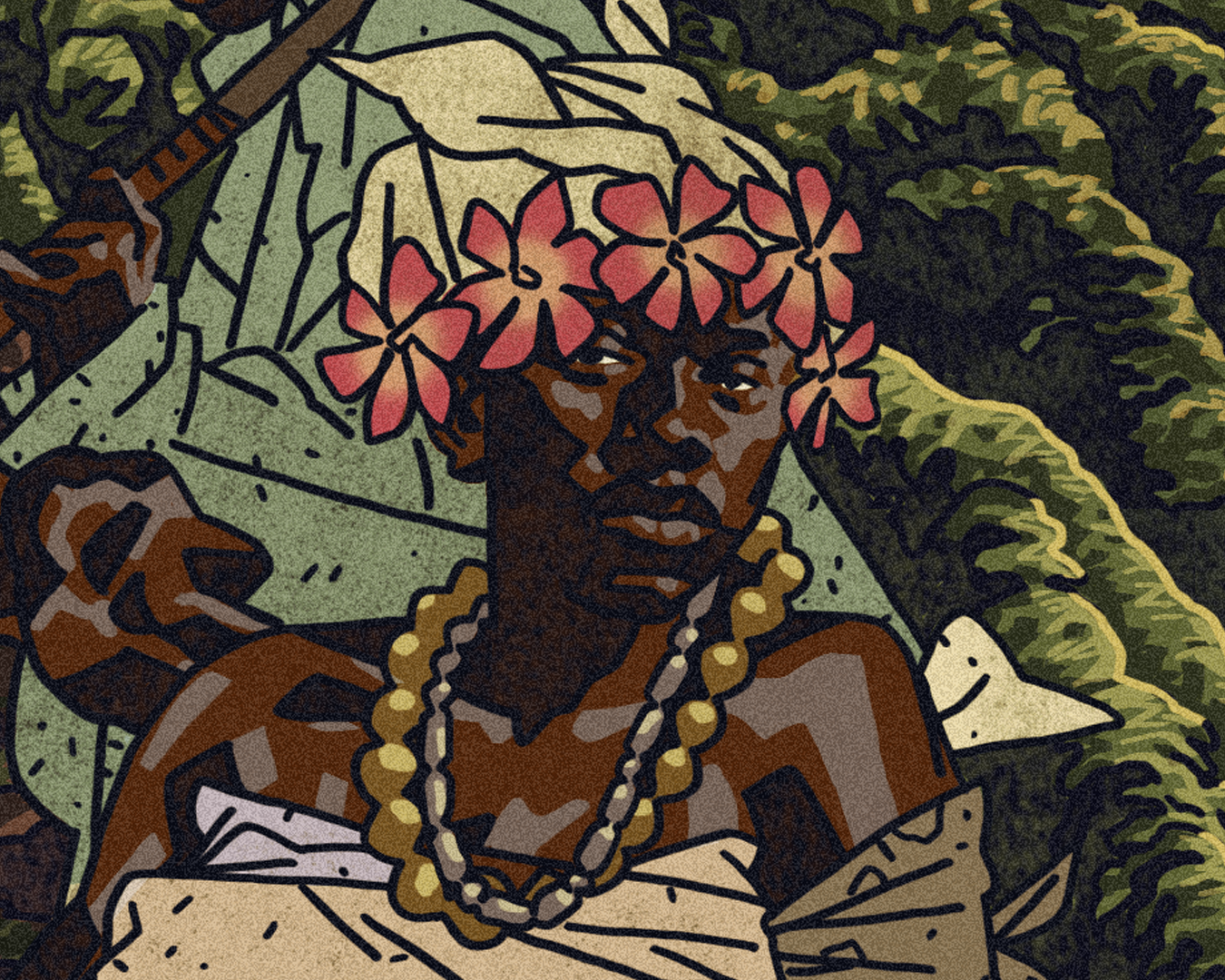
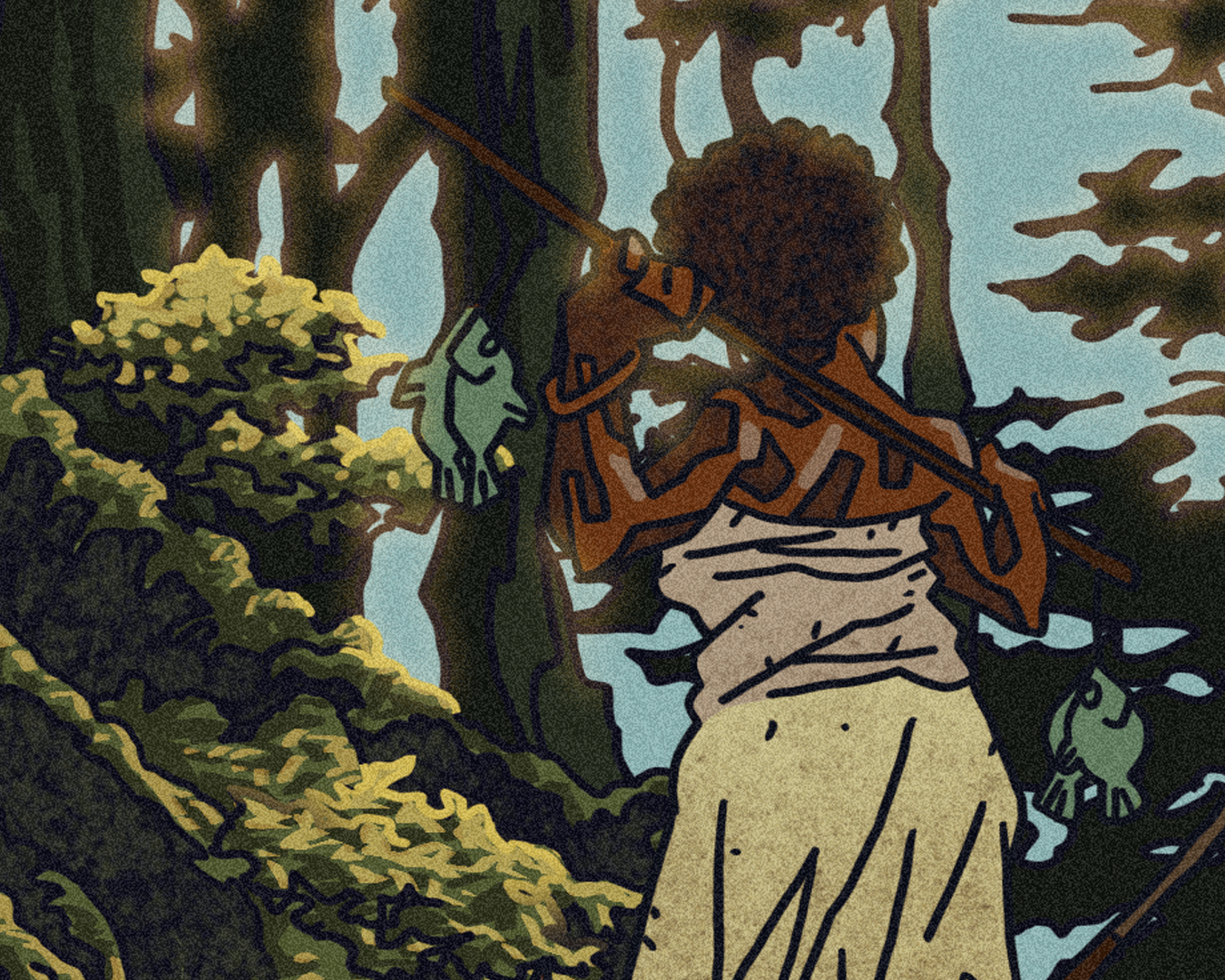
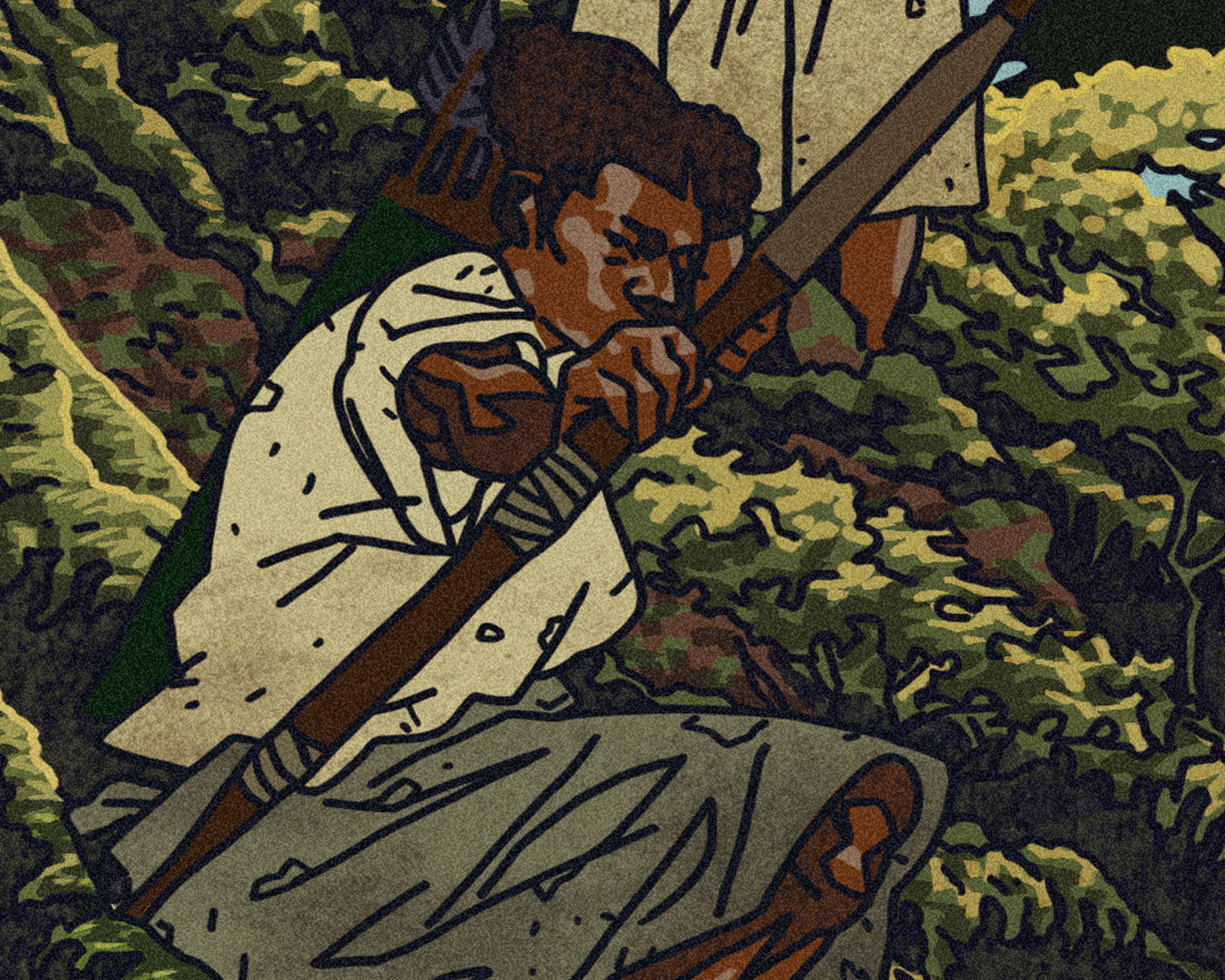
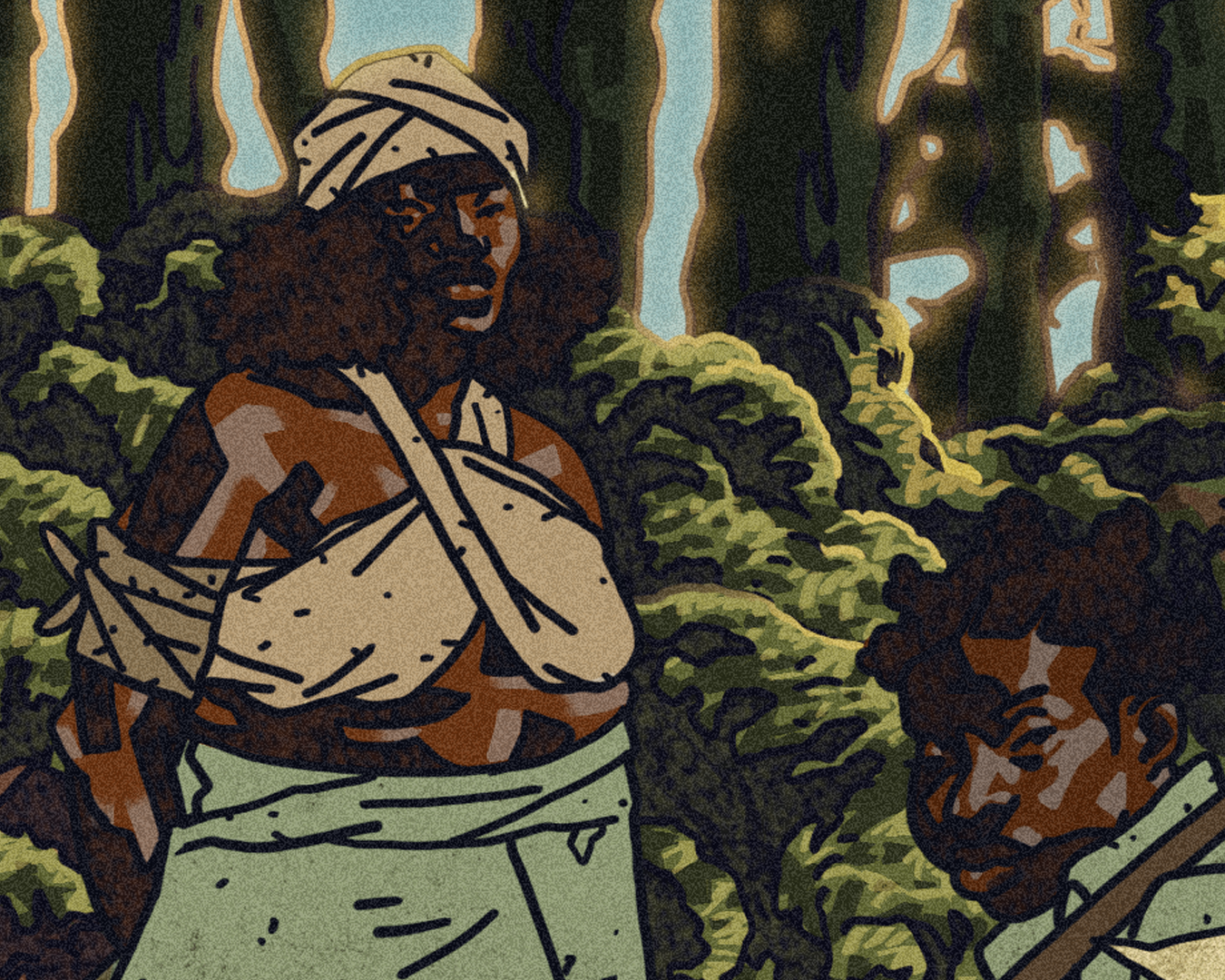
Mauritius Maroons
“Maroons in Mauritius, brought to the island as enslaved captives by the Dutch, sought refuge in the island’s dense forests and remote mountainous terrain during the 18th and 19th centuries. When the French colonized Mauritius in 1721, 5% of captive Africans fled each year, rising to 13%in the 1820s. These escapees formed hidden communities and developed a unique culture.”
Palmares Maroons
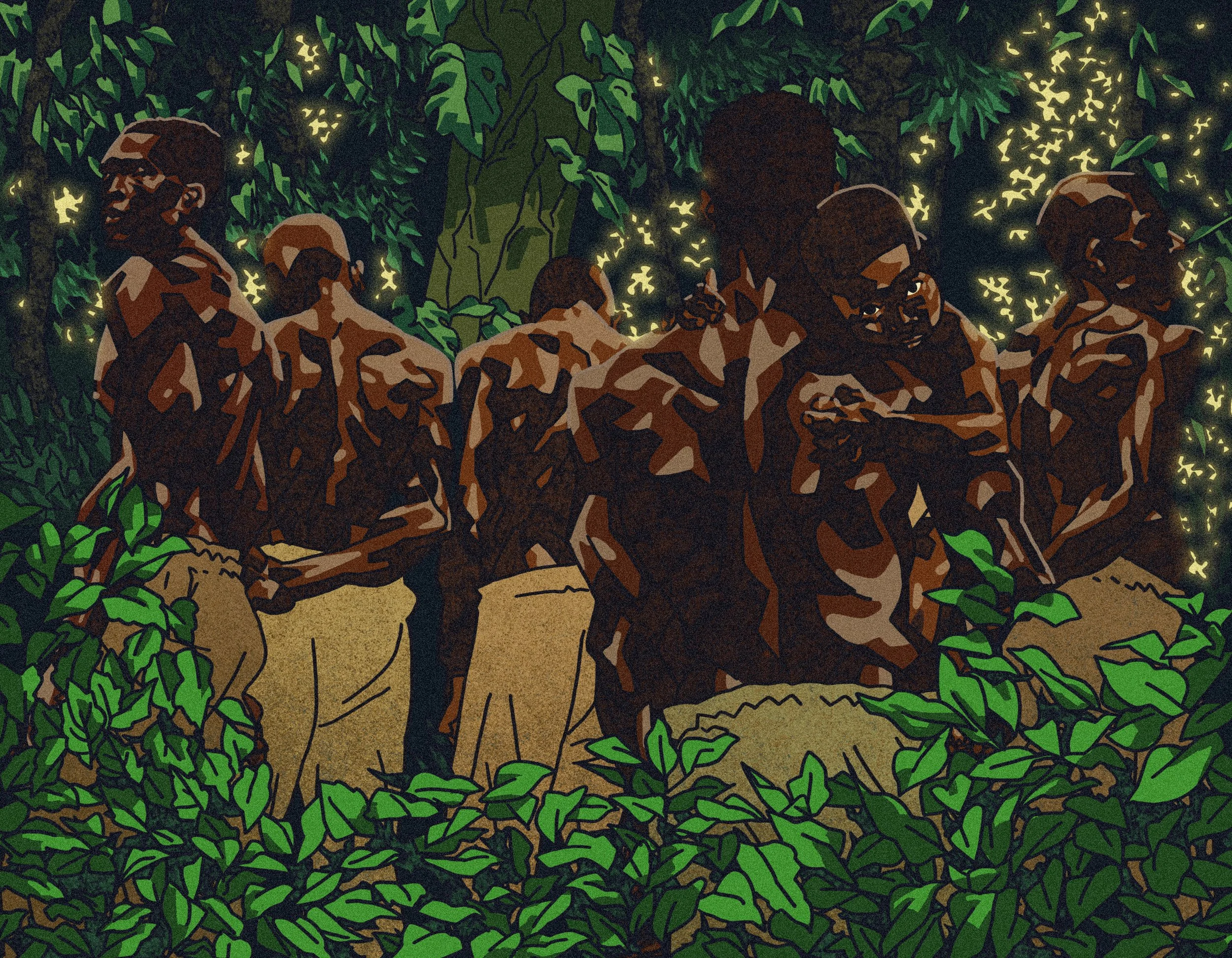
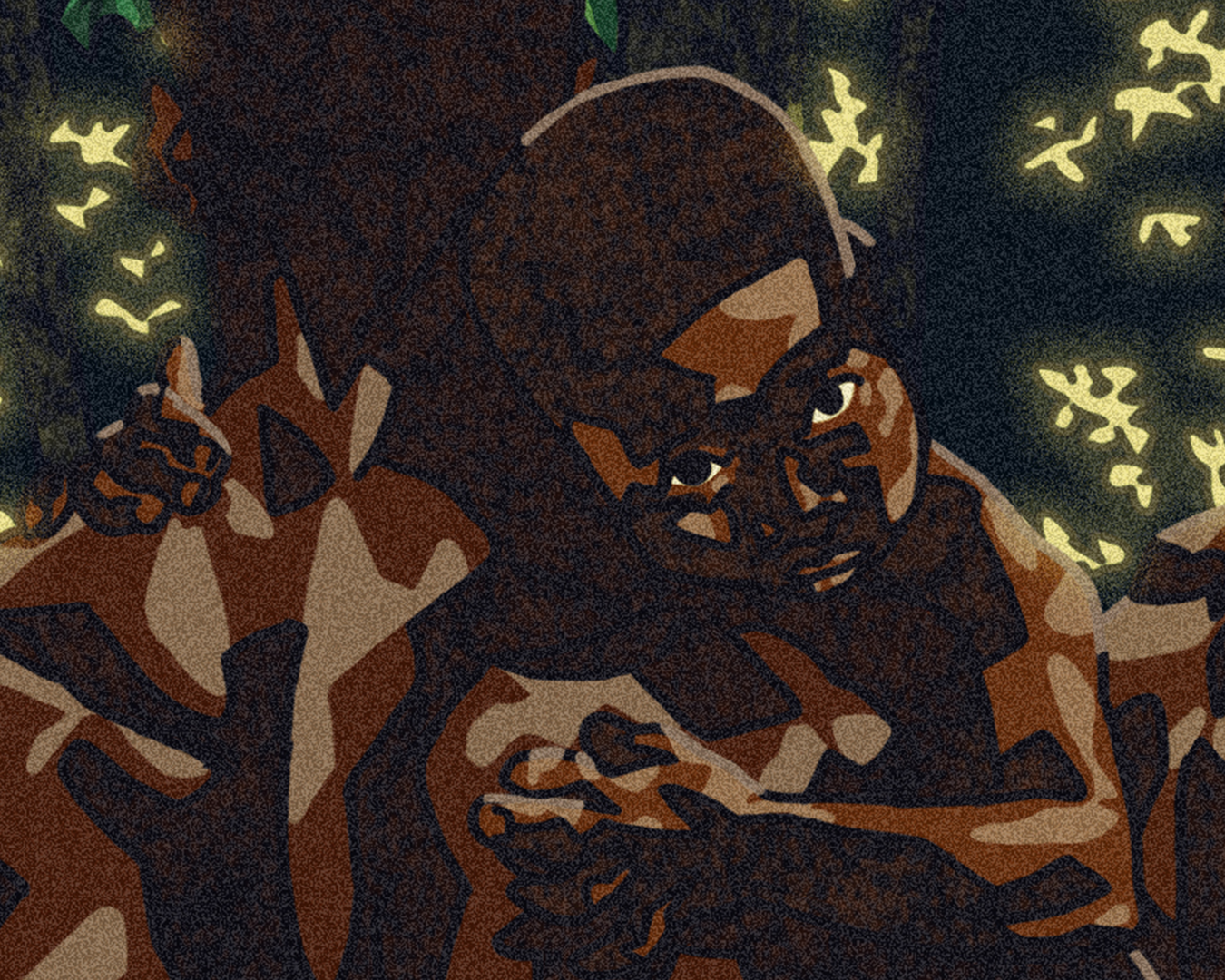
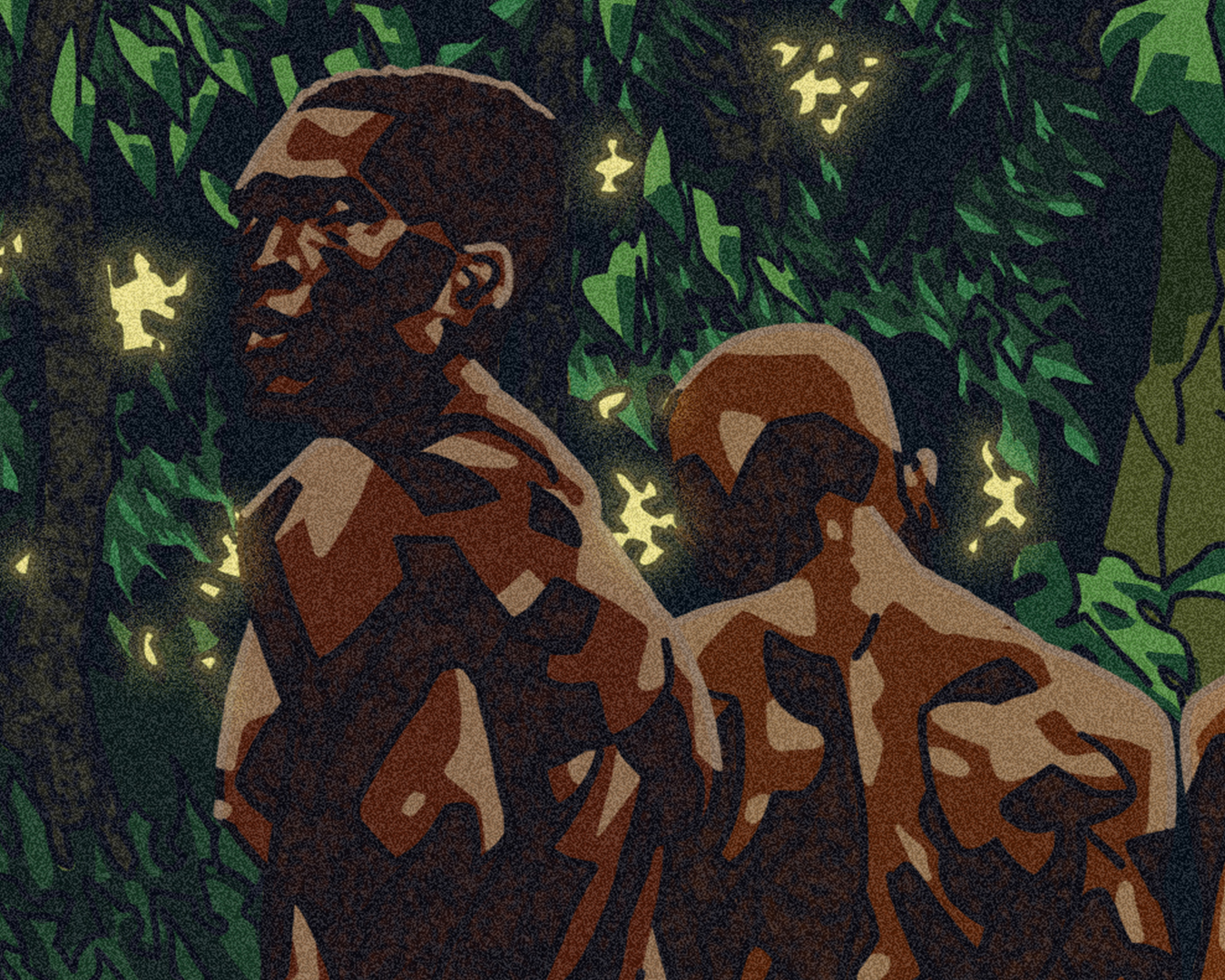
“Palmares, located in northeastern Brazil, was a haven for escaped enslaved Africans in the 1600th century. Palmares was an organized network of settlements, known as quilombos, that resisted for over a hundred years. A maroon named Zumbi dos Palmares was its most legendary leader. Defying Dutch and Portuguese colonial powers, Palmares became a beacon of freedom and resilience.”
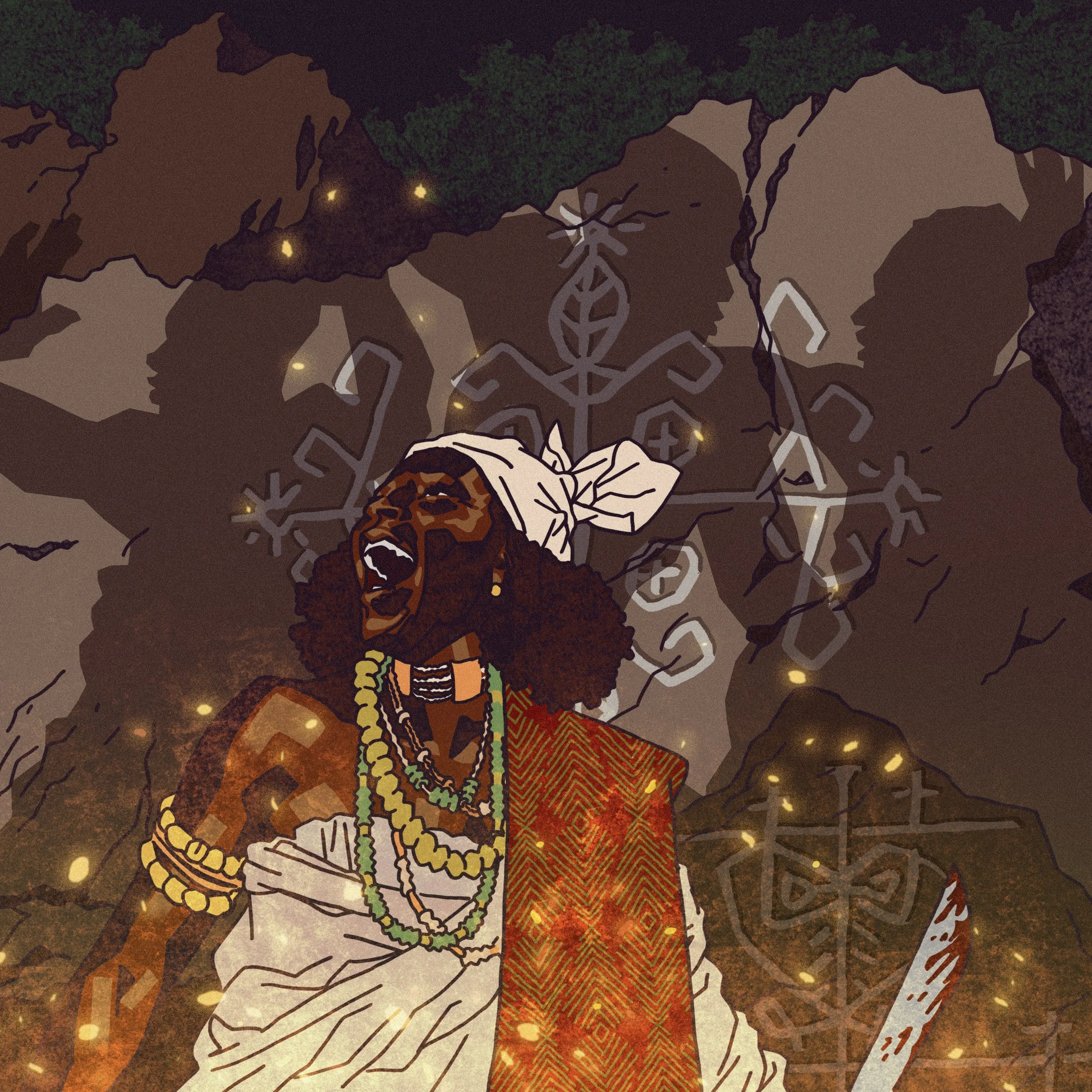
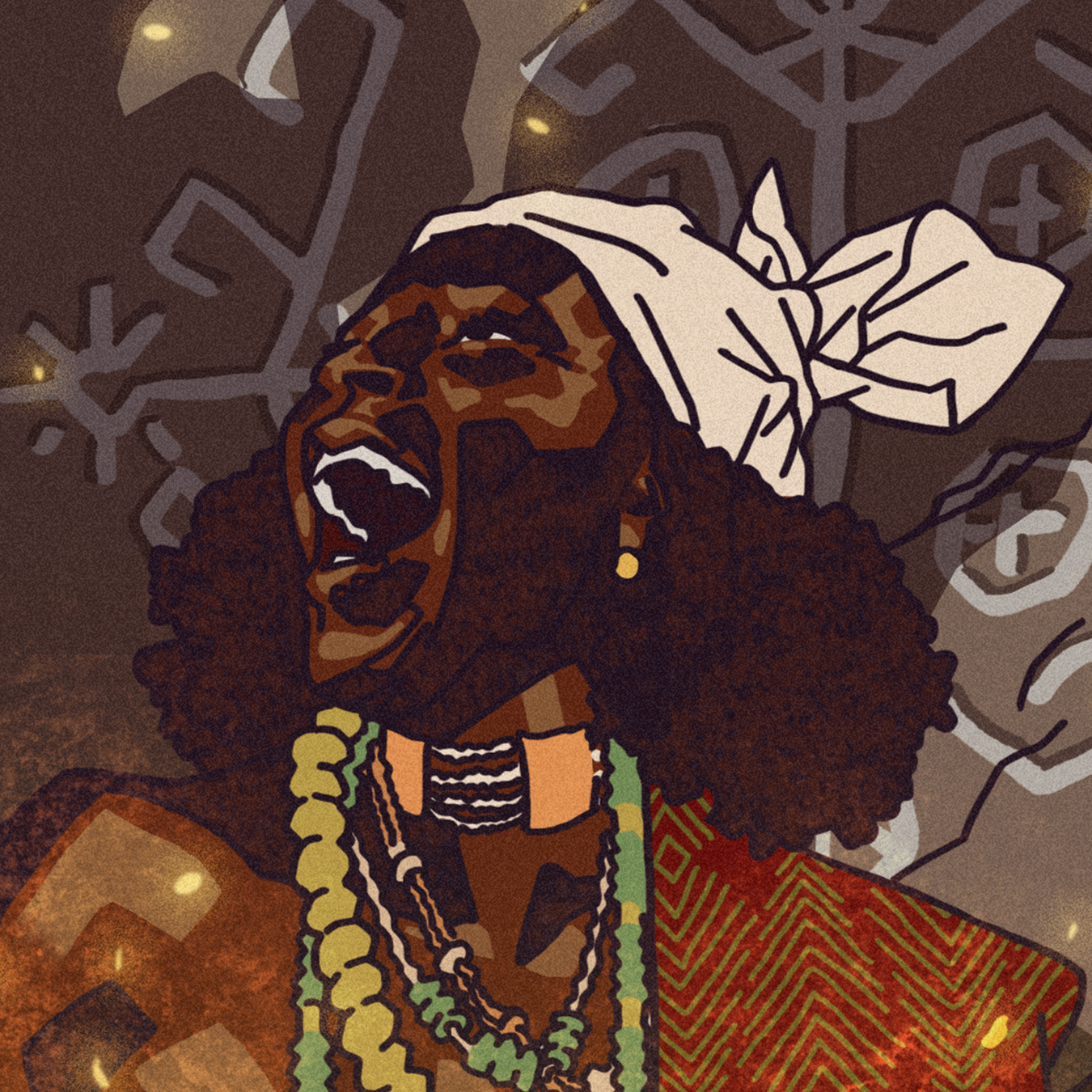
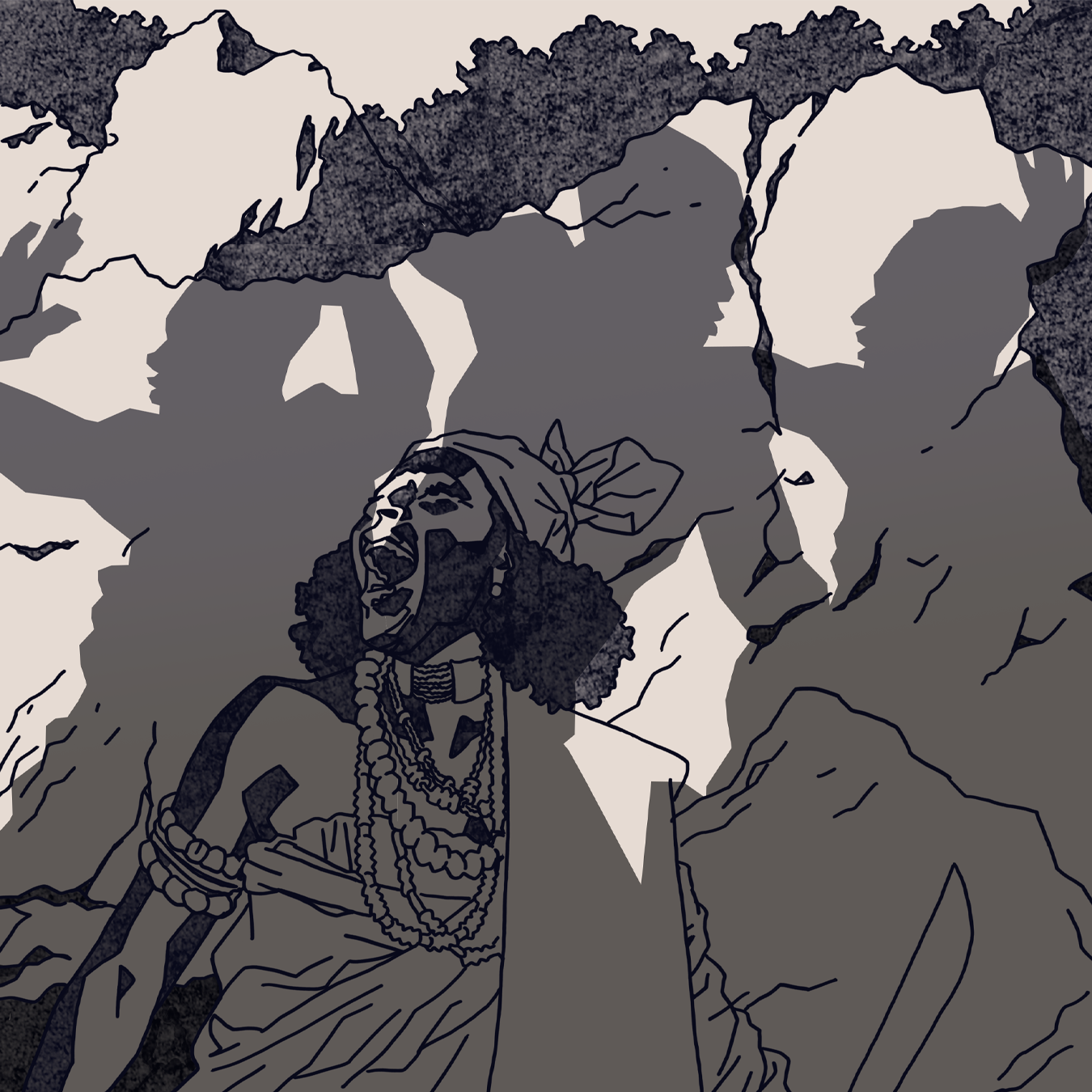
Bois Caiman
“The Haitian Revolution was a complex web of wars between and among enslaved people, free people of color, and French, British, and Spanish colonial armies. The enslaved revolutionaries were driven by a variety of influences, including their African heritage.
Most fighters in the revolution were Africa-born people, many of whom had been captured on the continent as captives of war before being trafficked to the French colony’s sugar plantations. These rebels were able to best their opponents in their quest for liberation by drawing on prior military experience and African warfare techniques.”
Curaçao Revolts
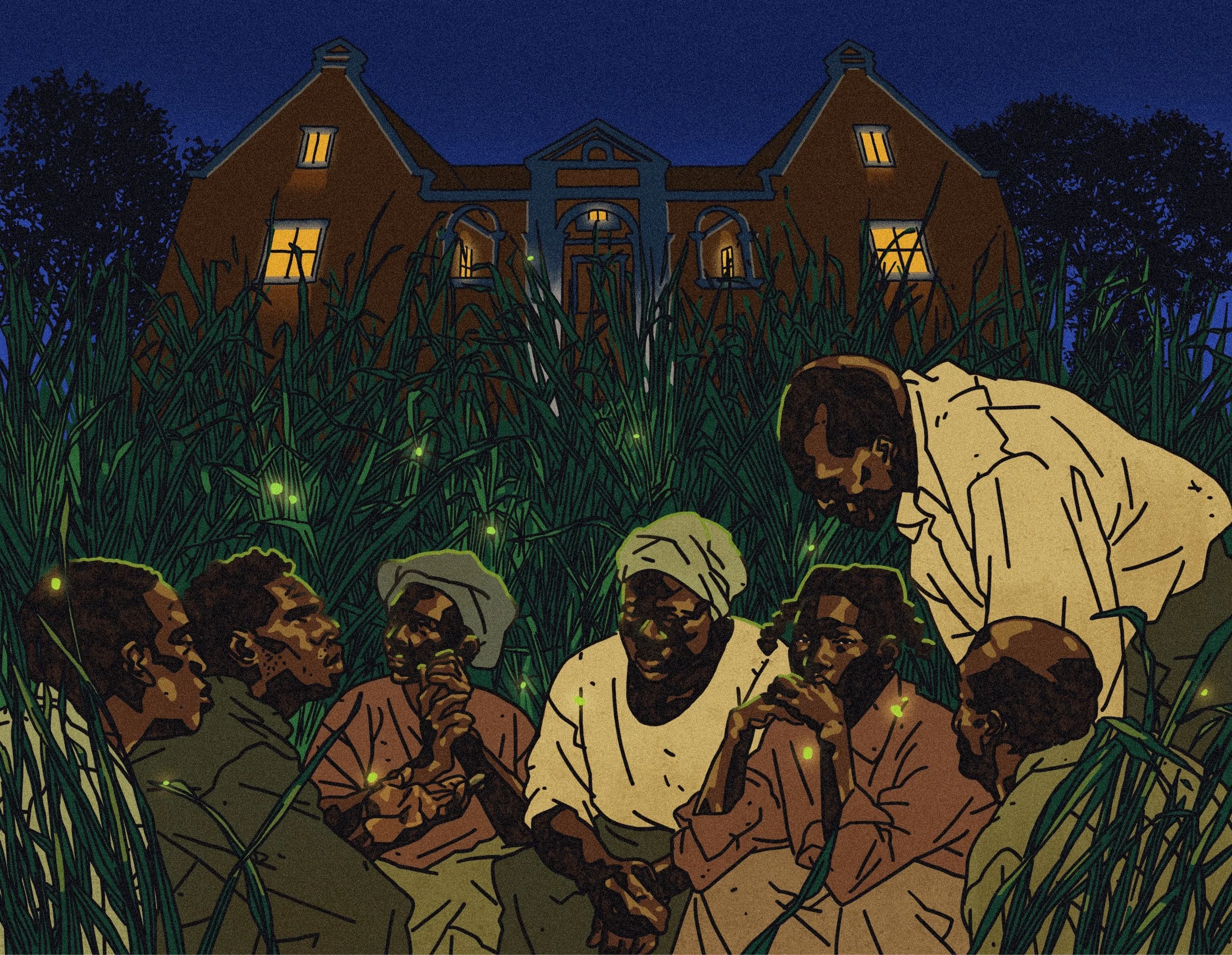
“After learning about the success of the Haitian rebels, free and enslaved people fought against the Dutch colonial government of Curaçao, demanding the end of slavery. The Curaçao rebels believed that because the European Netherlands were occupied by France—which had abolished slavery in 1793—they should have been given their freedom, as well.”
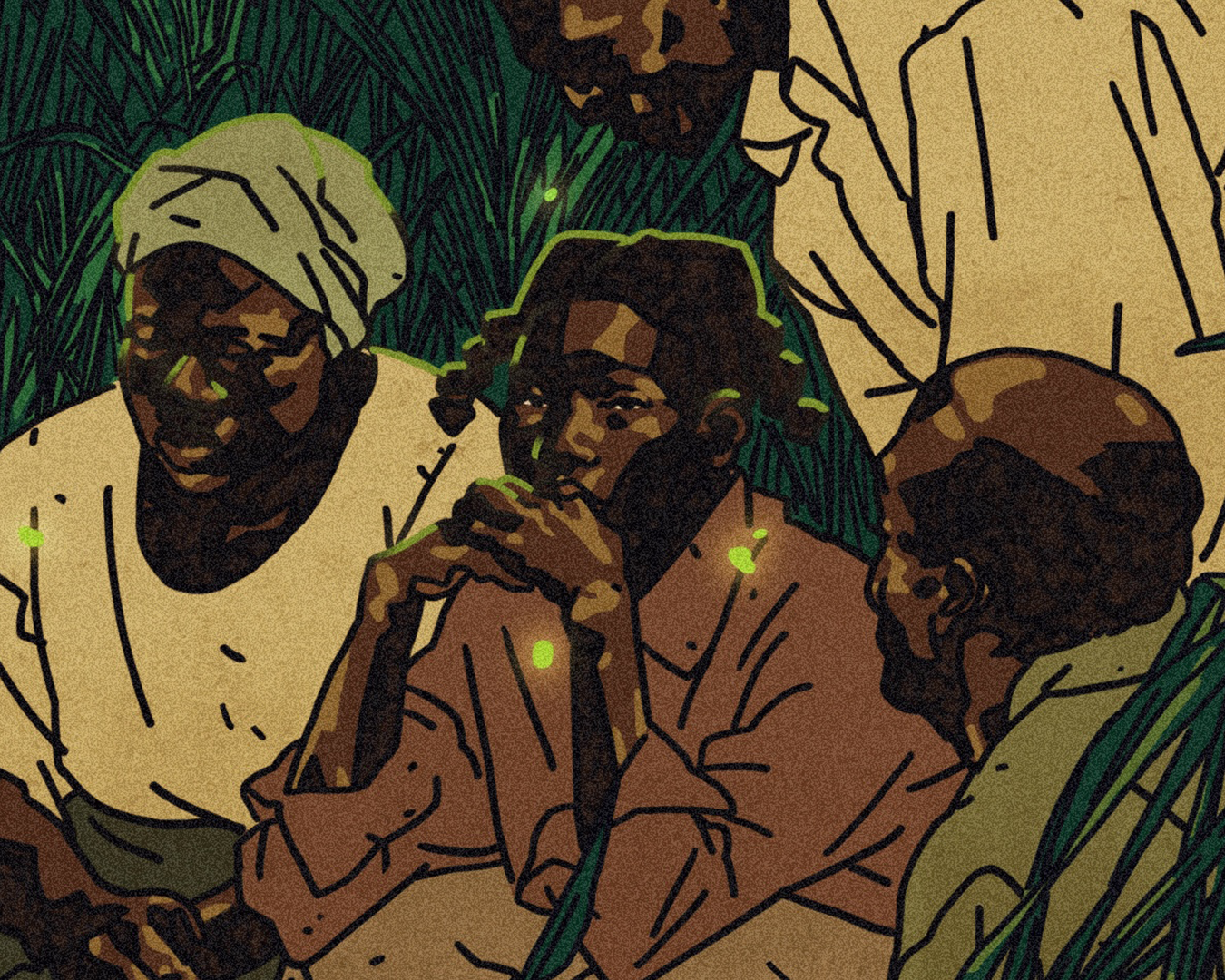
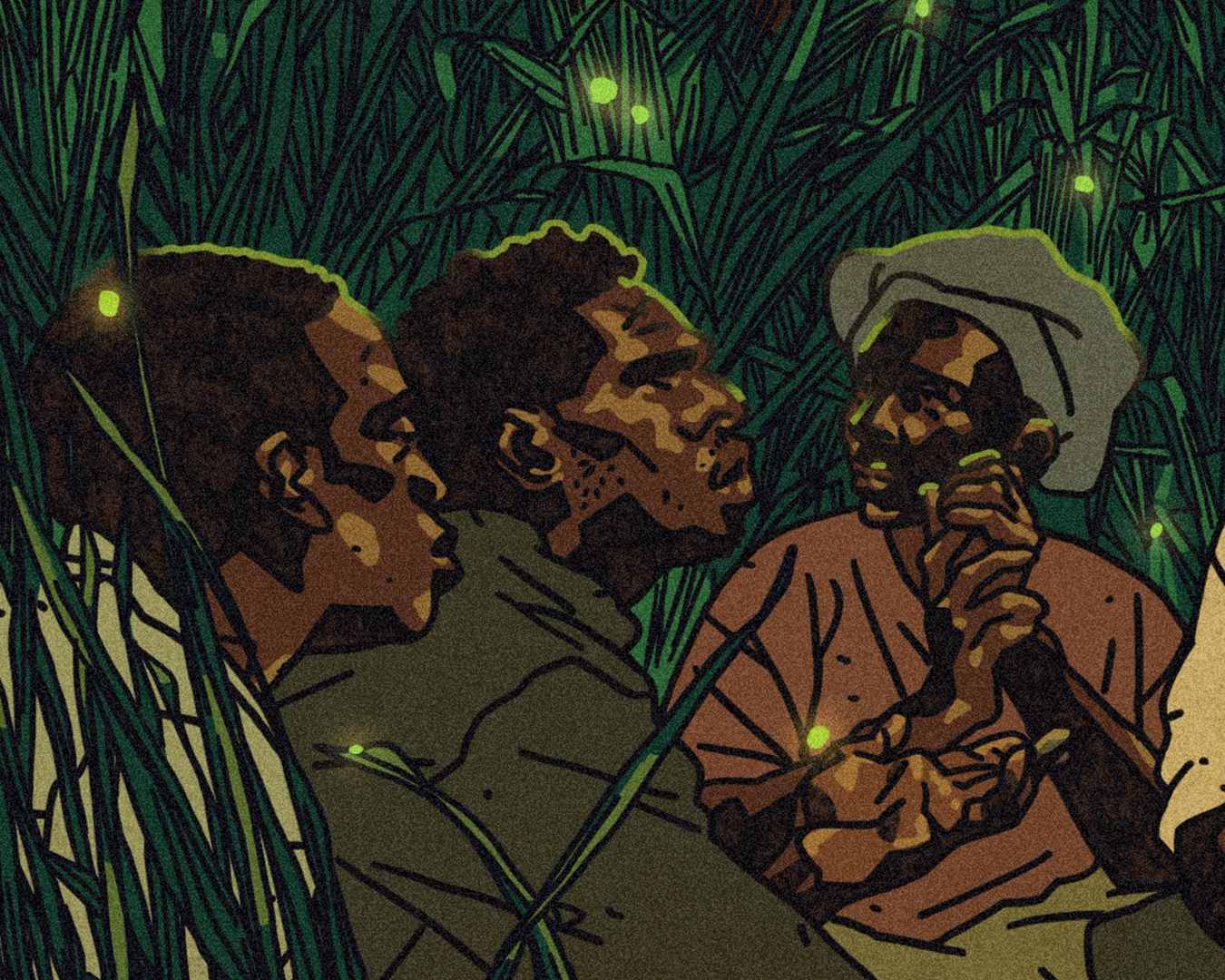
Cape Town Rebellion
“After learning about the Haitian Revolution from visiting sailors, an enslaved Mauritian man named Louis led about 340 slaves in revolt in Cape Town. Wearing attire similar to Haitian revolutionary Toussaint Louverture, Louis led other enslaved rebels in attacks on grain farms over a period of 36 hours.”
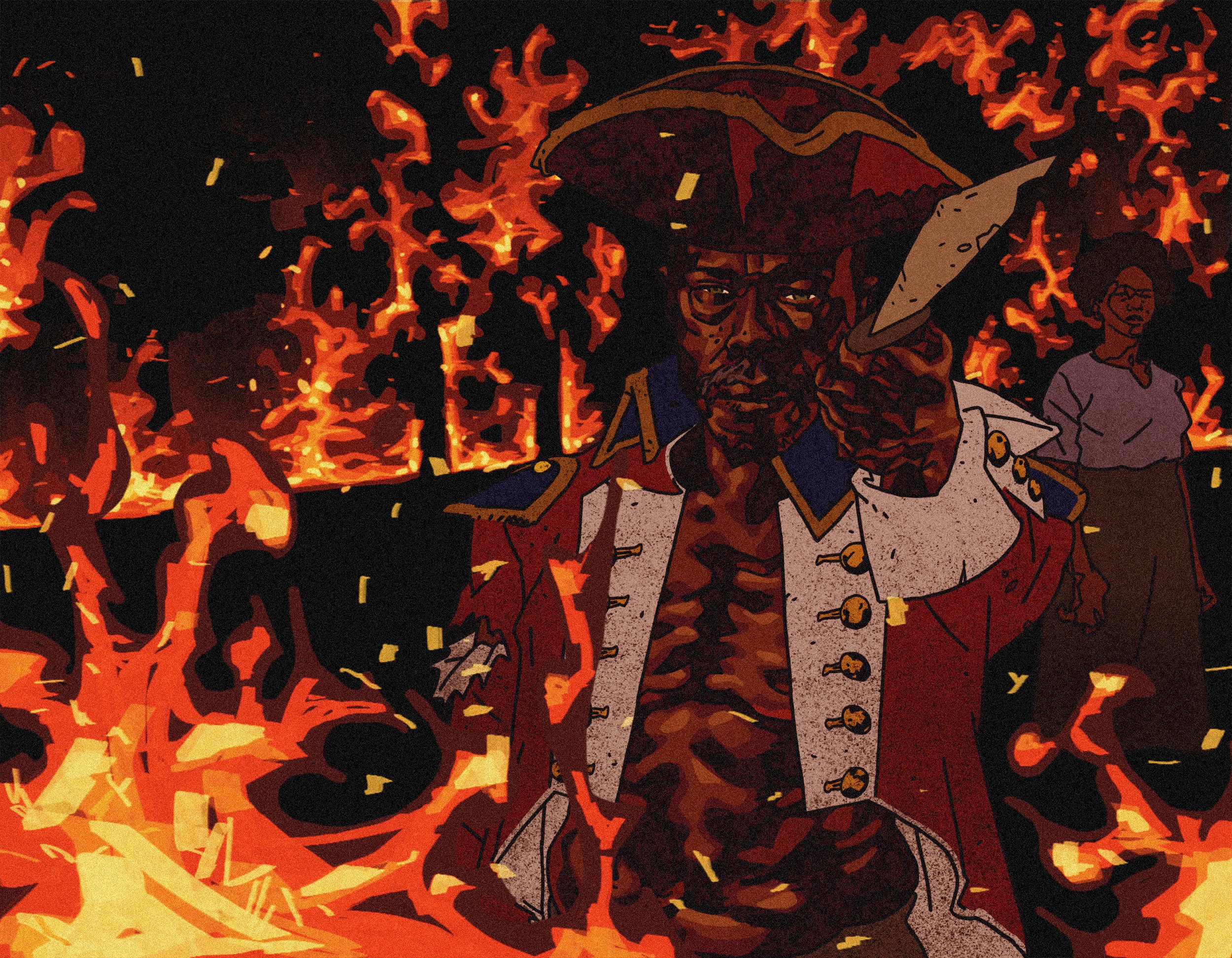
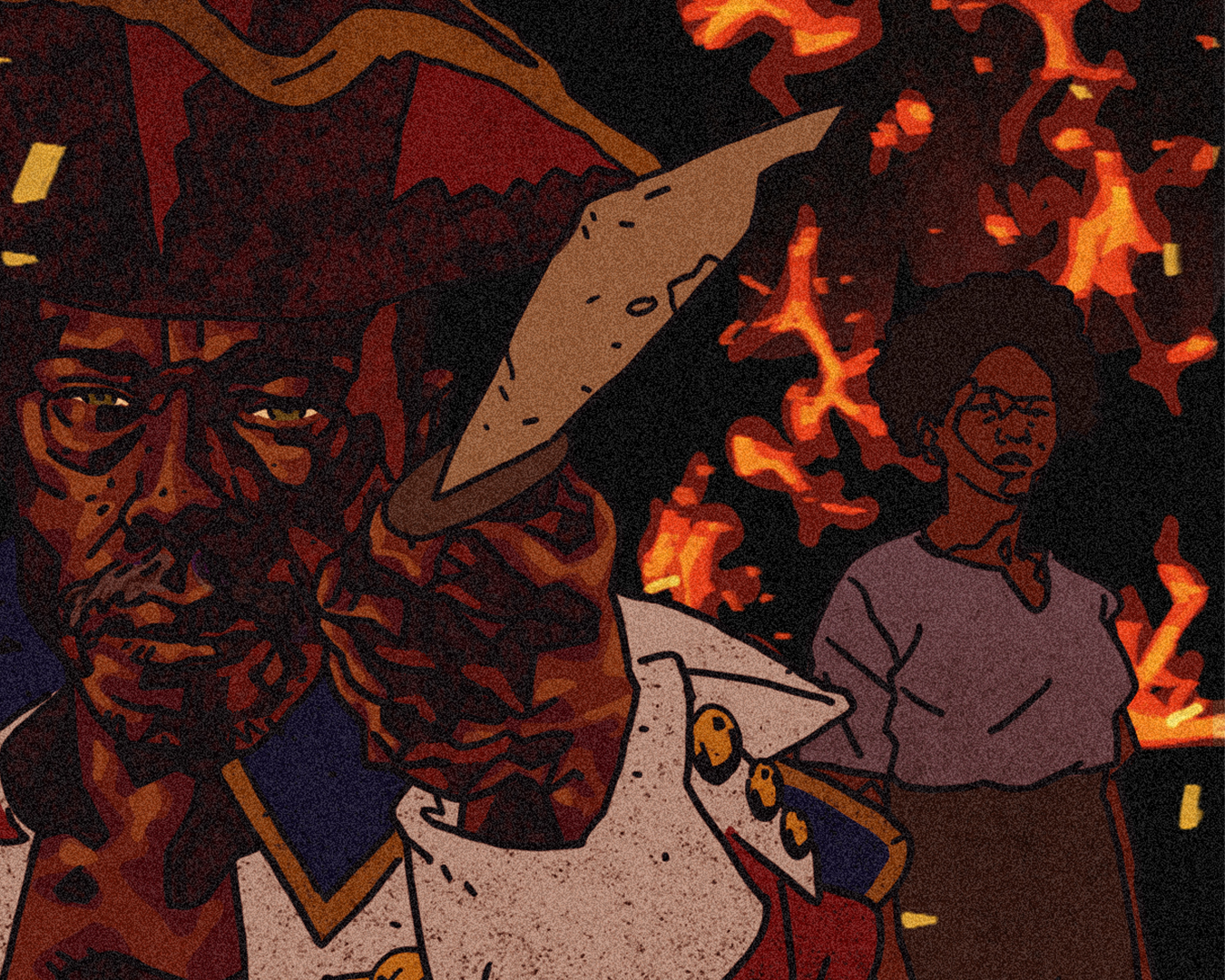

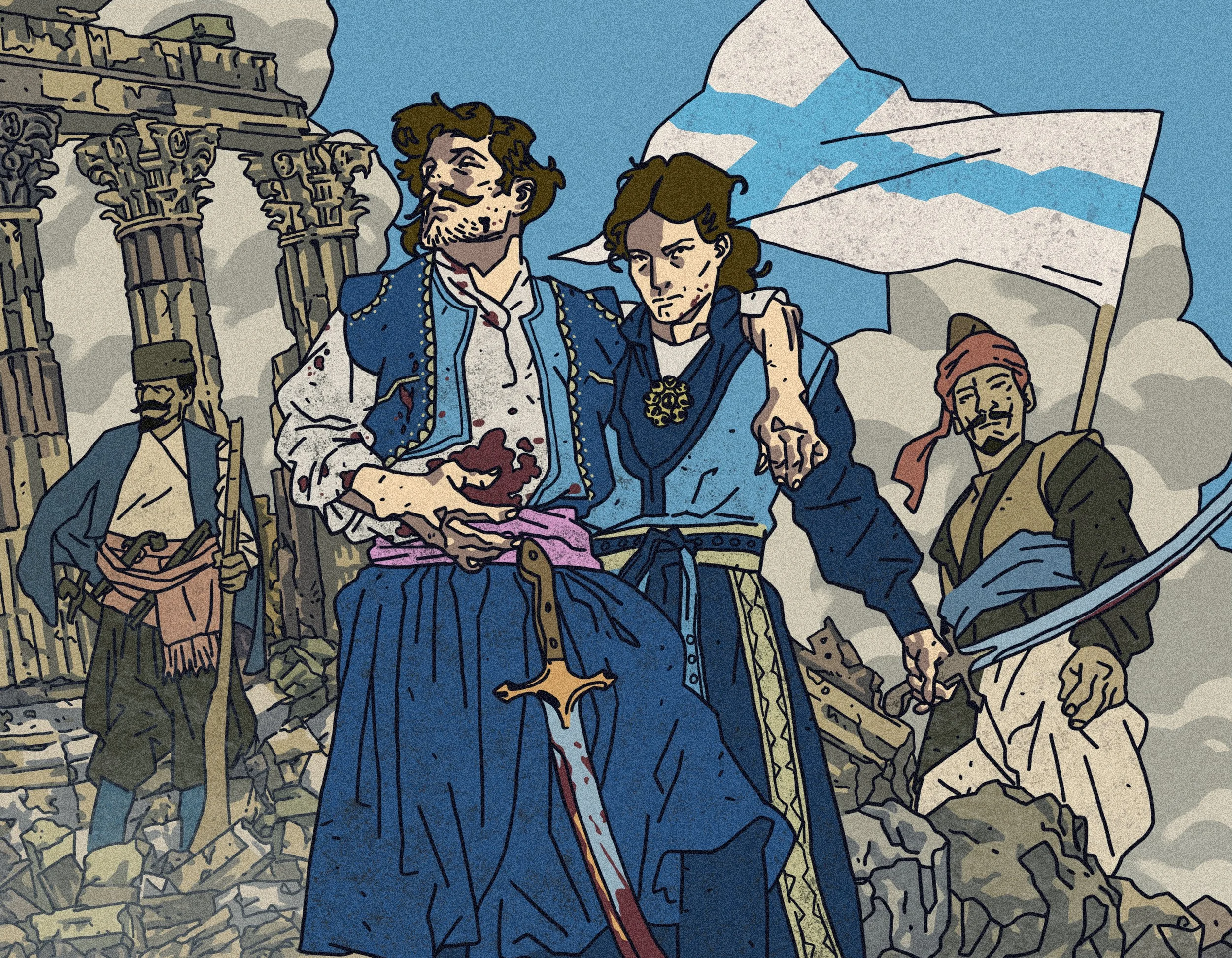
The Greek Revolution
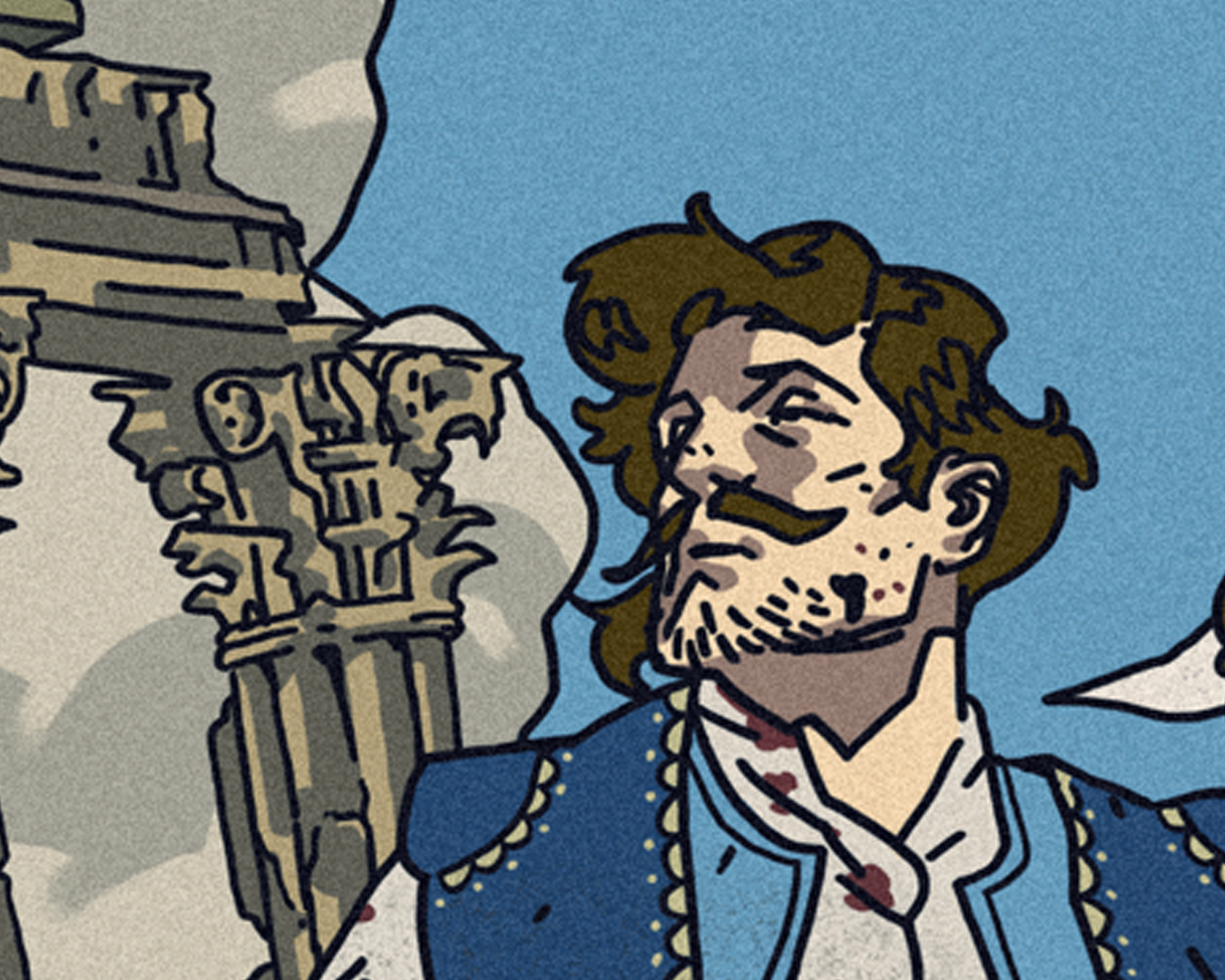
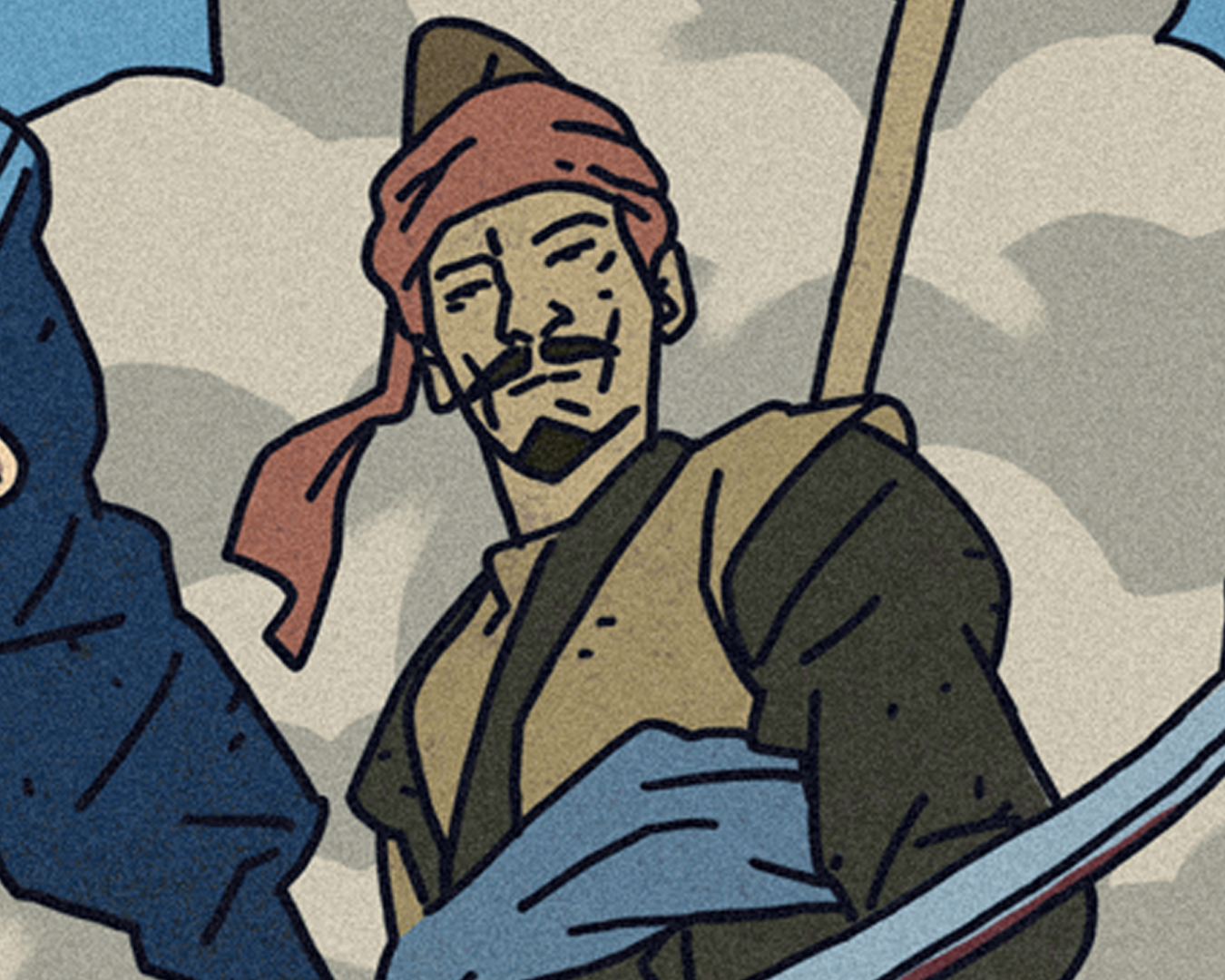
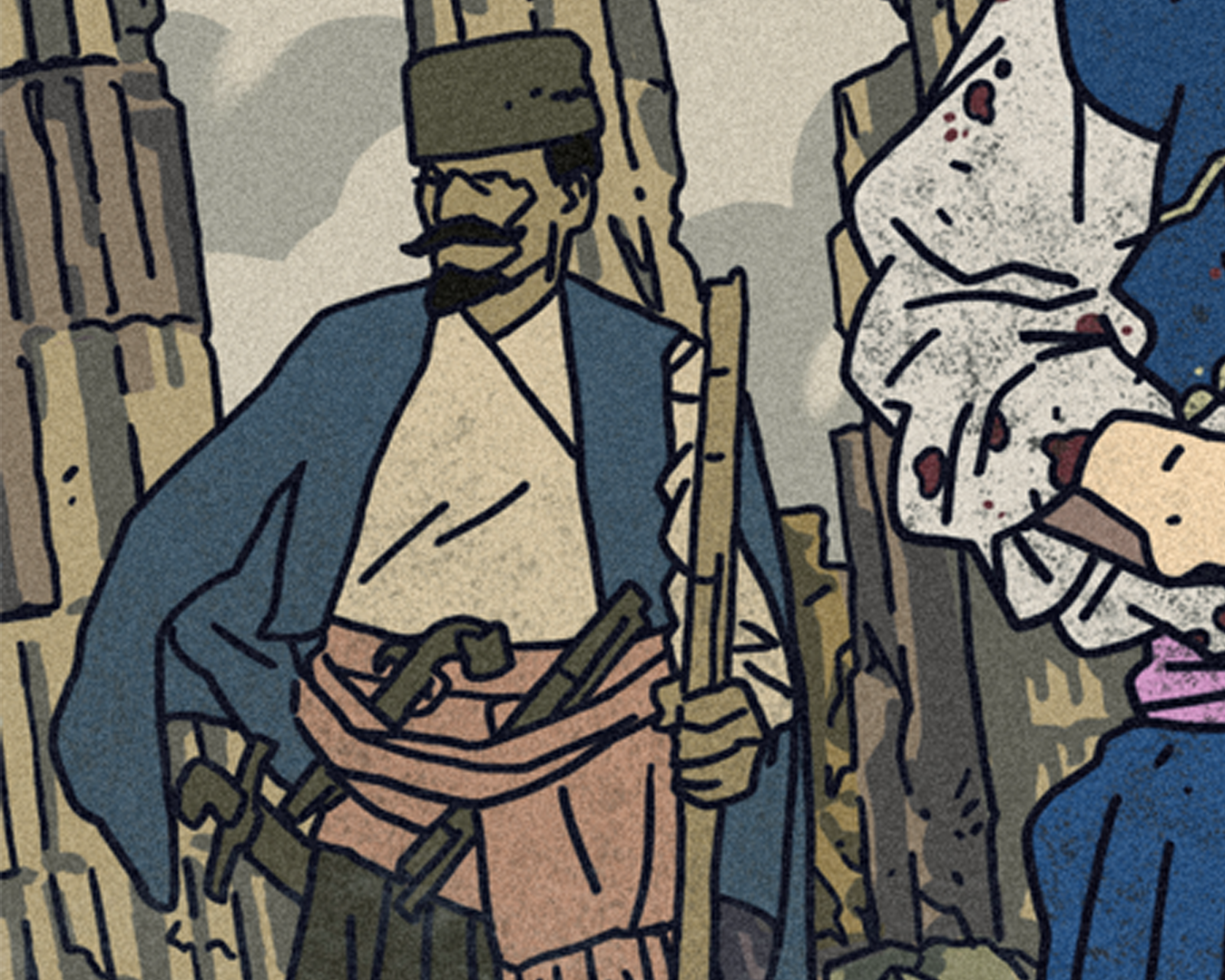
“In 1822 Greek revolutionaries wrote a letter to Haitian President Jean-Pierre Boyer asking for support in the revolution against the Ottoman Empire. Boyer wrote back acknowledging the Greek people’s right to self-rule, and Haiti became the first country to recognize Greece’s independence.”
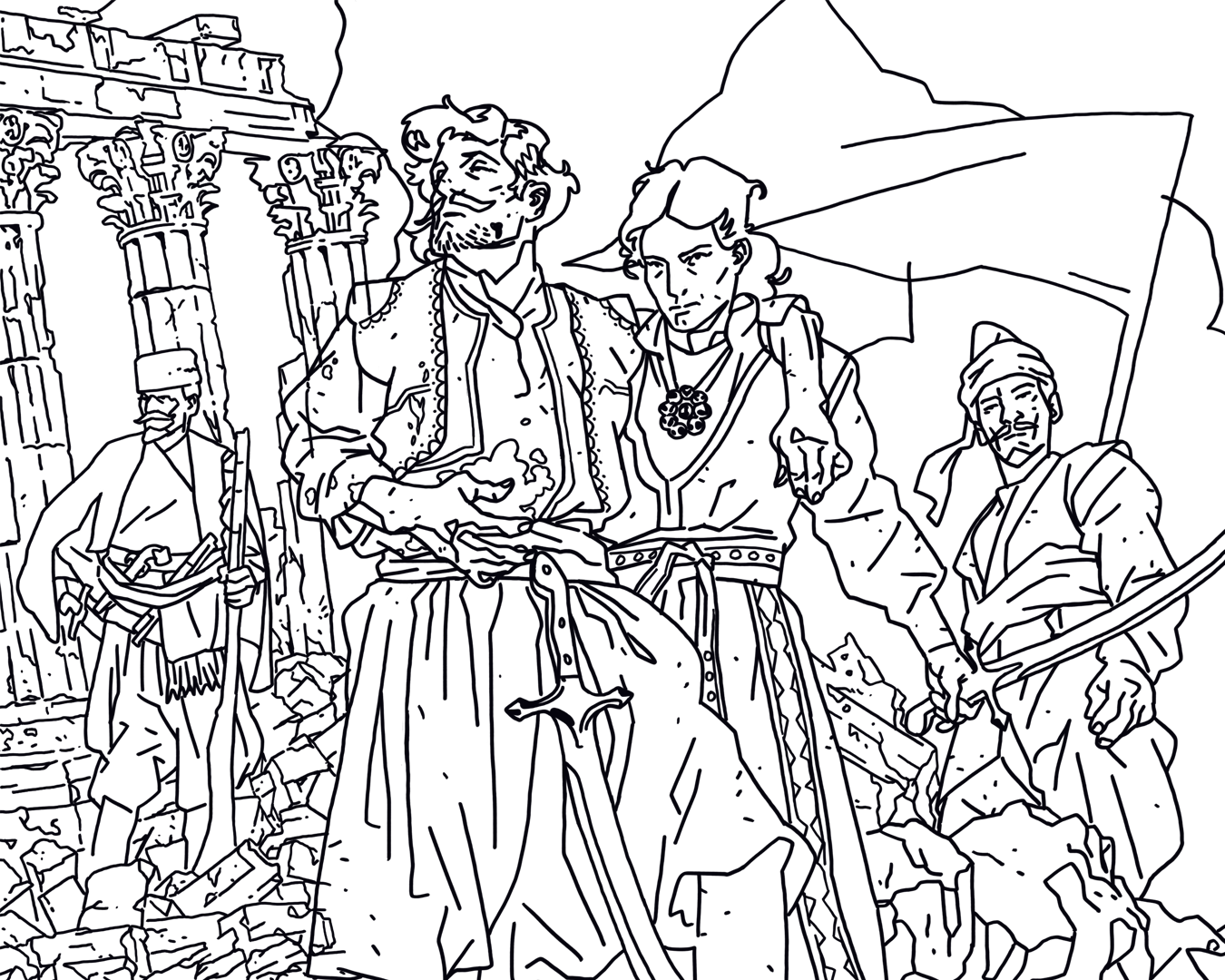
The Meermin Mutiny
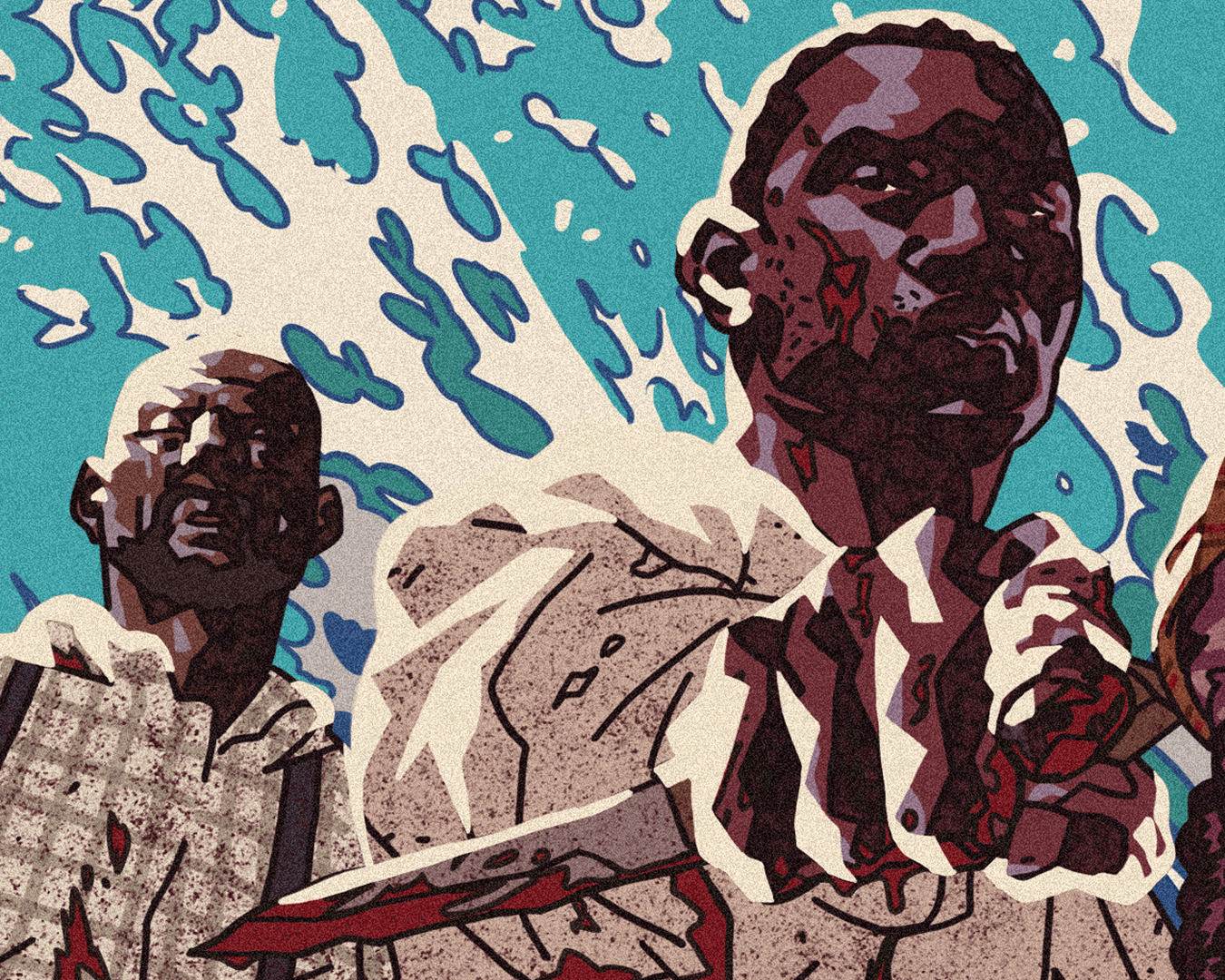
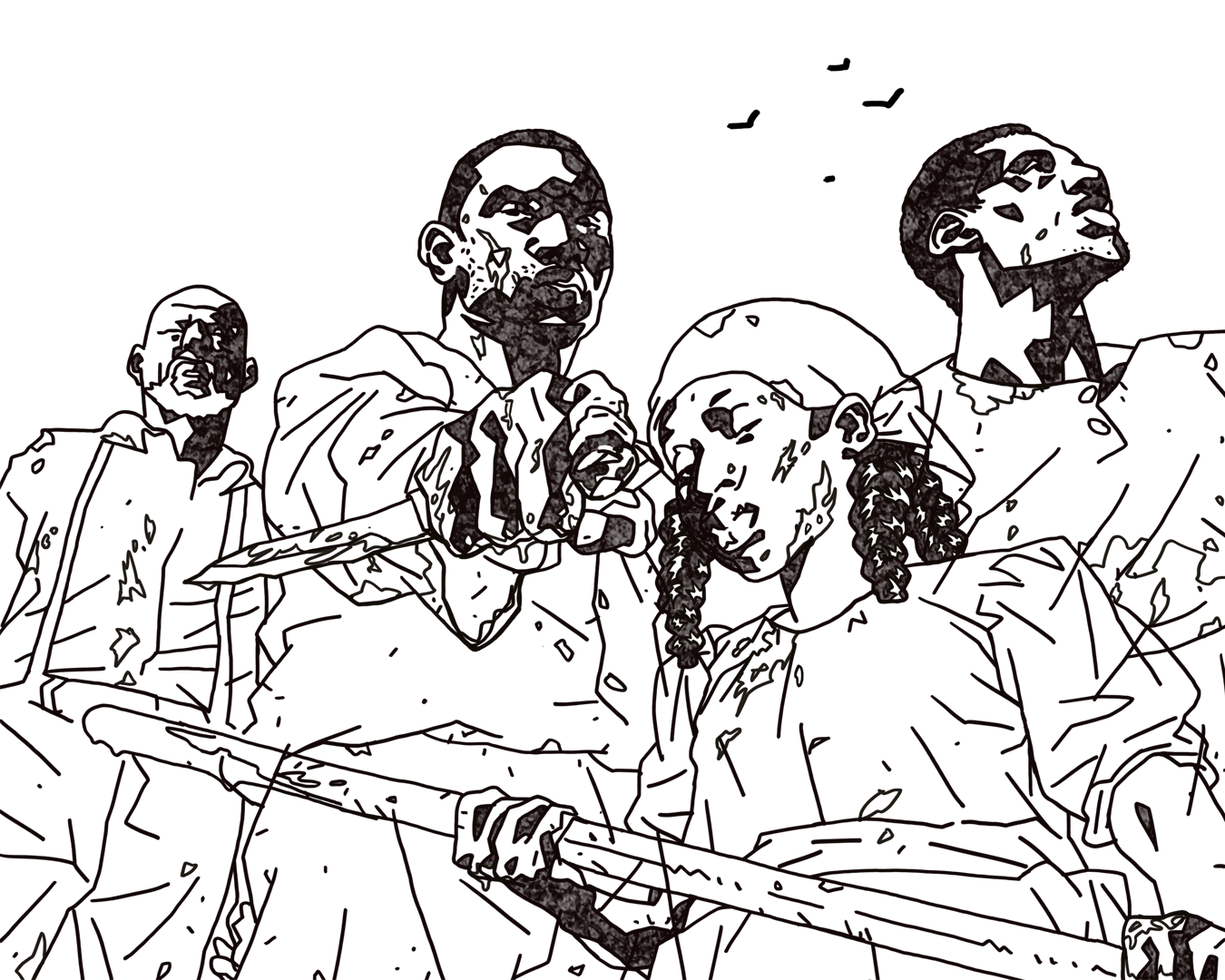
“In 1766 the Meermin was transporting approximately 140 Malagasy captives for the Dutch East India Company when the captives rose up against the crew. Led by two men, Massavana and Koesaaij, the captives revolted for three weeks until the ship was beached at Cape Town, South Africa. One hundred and twelve captives survived but were recaptured and sold.”
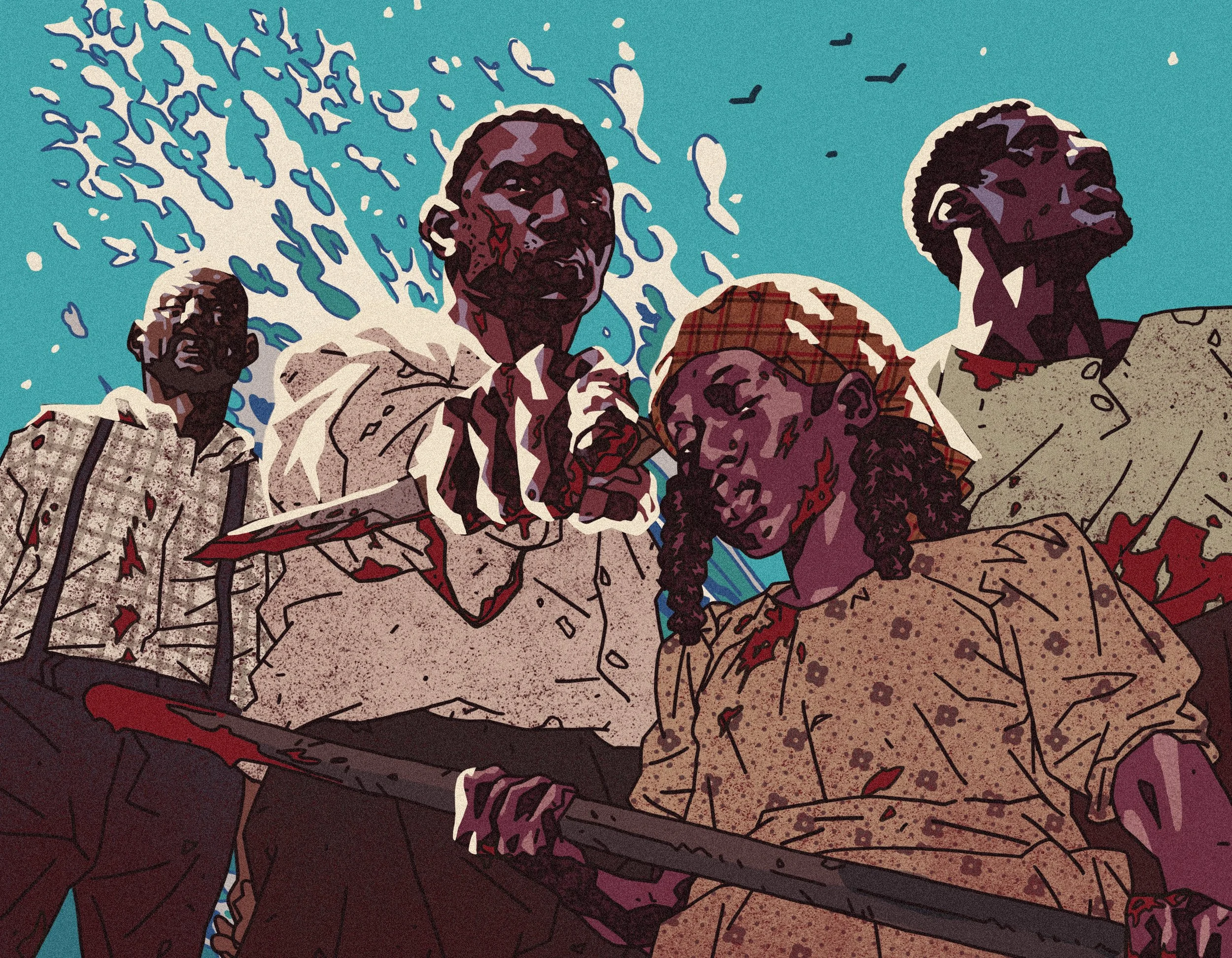
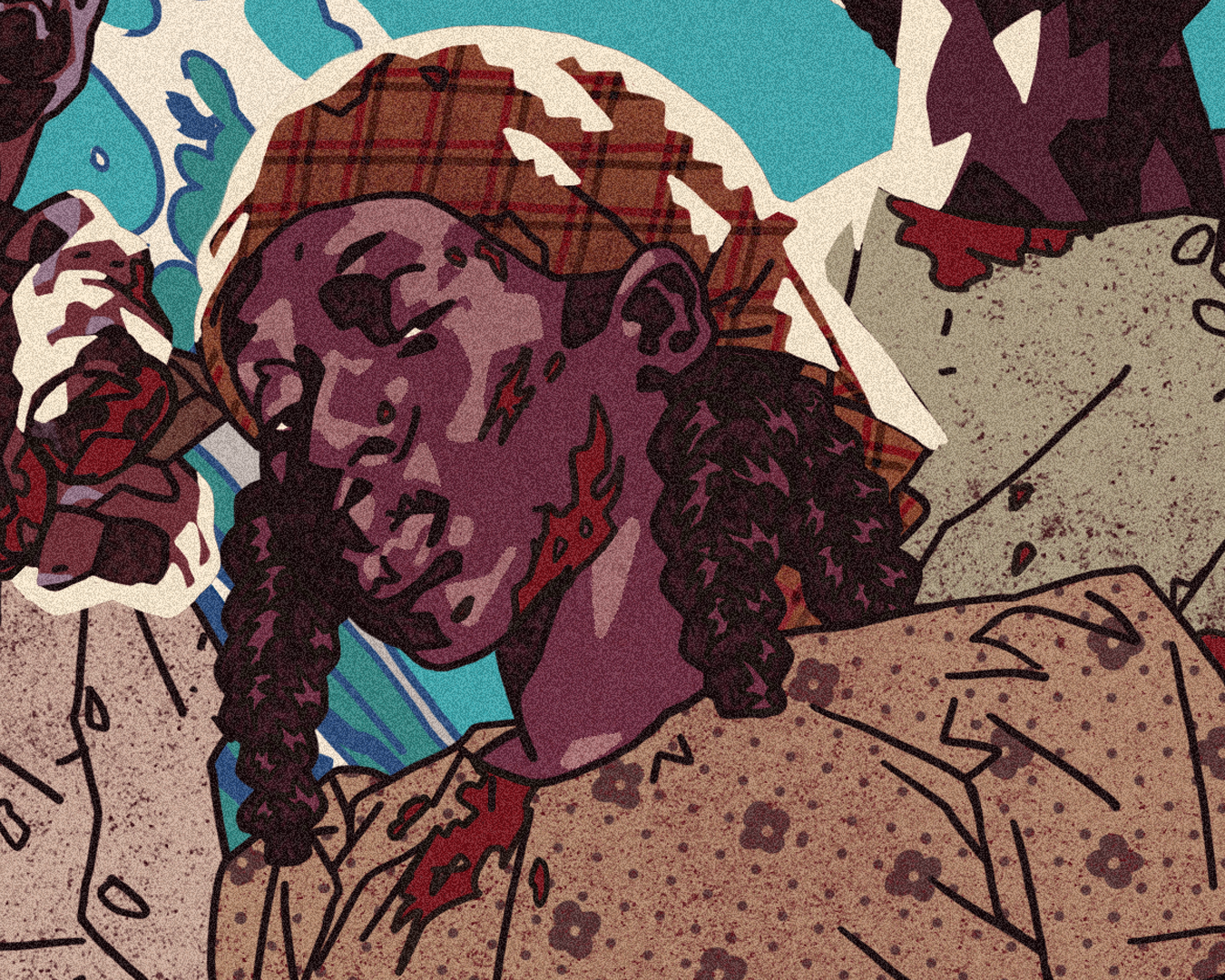
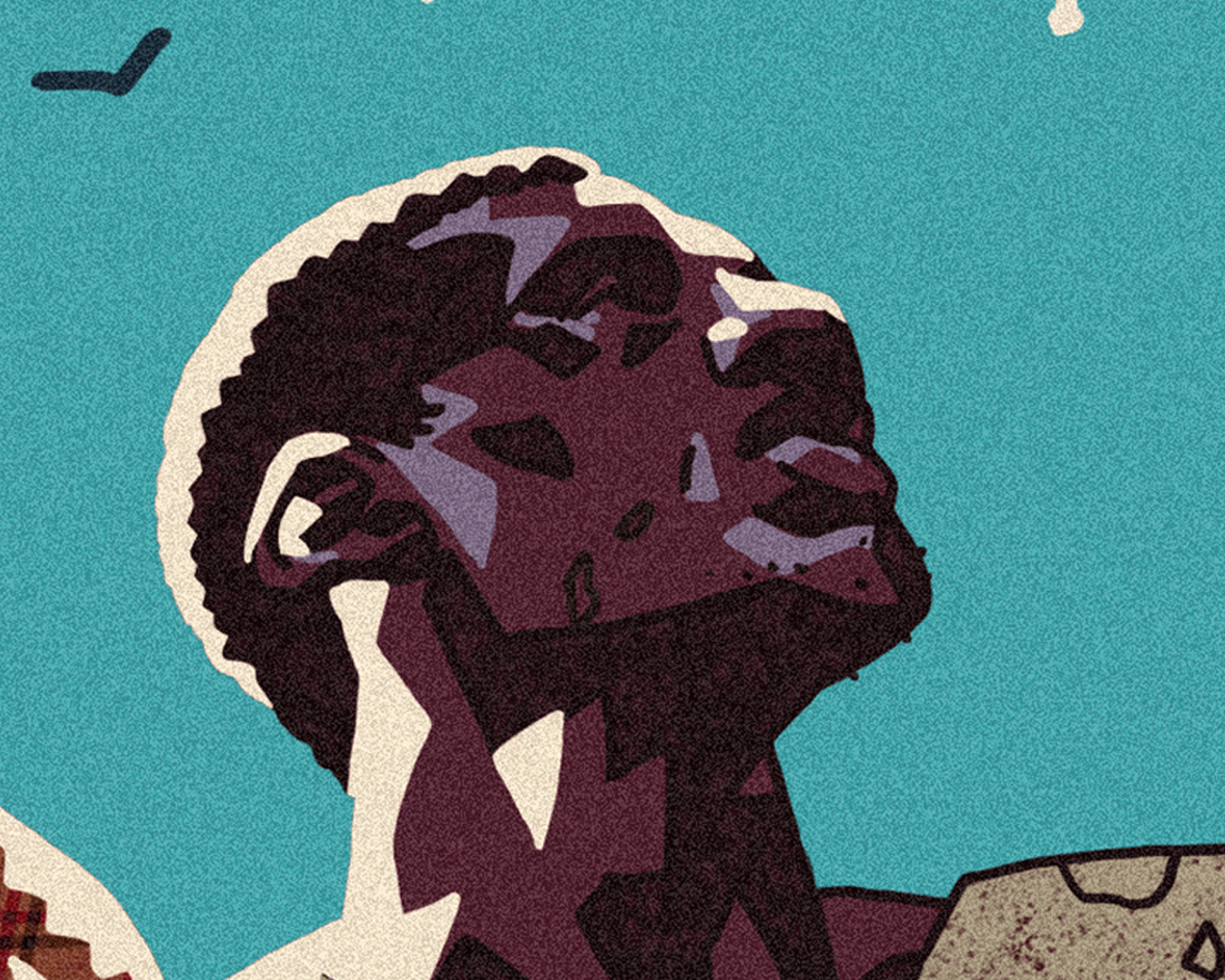
The Creole Mutiny
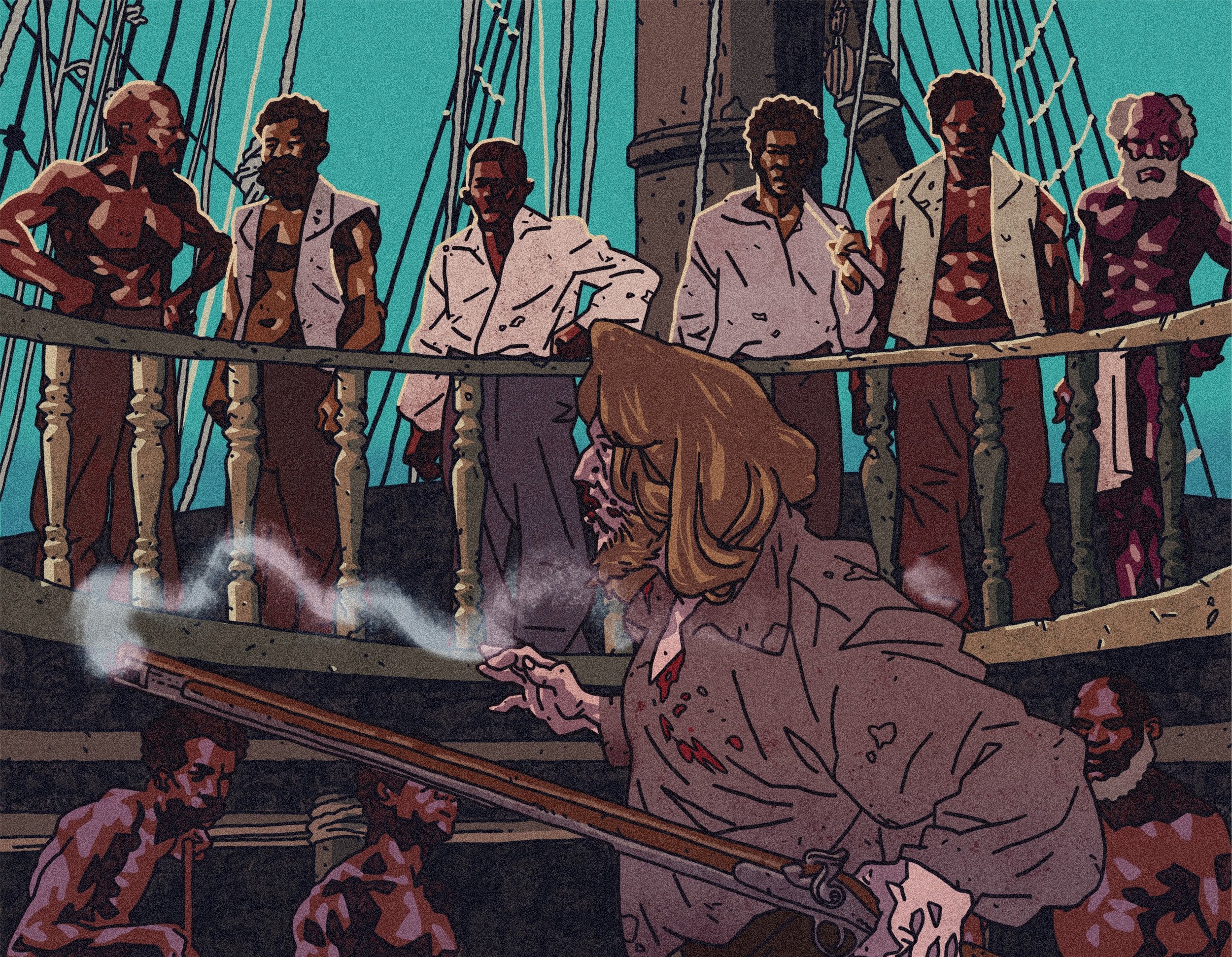
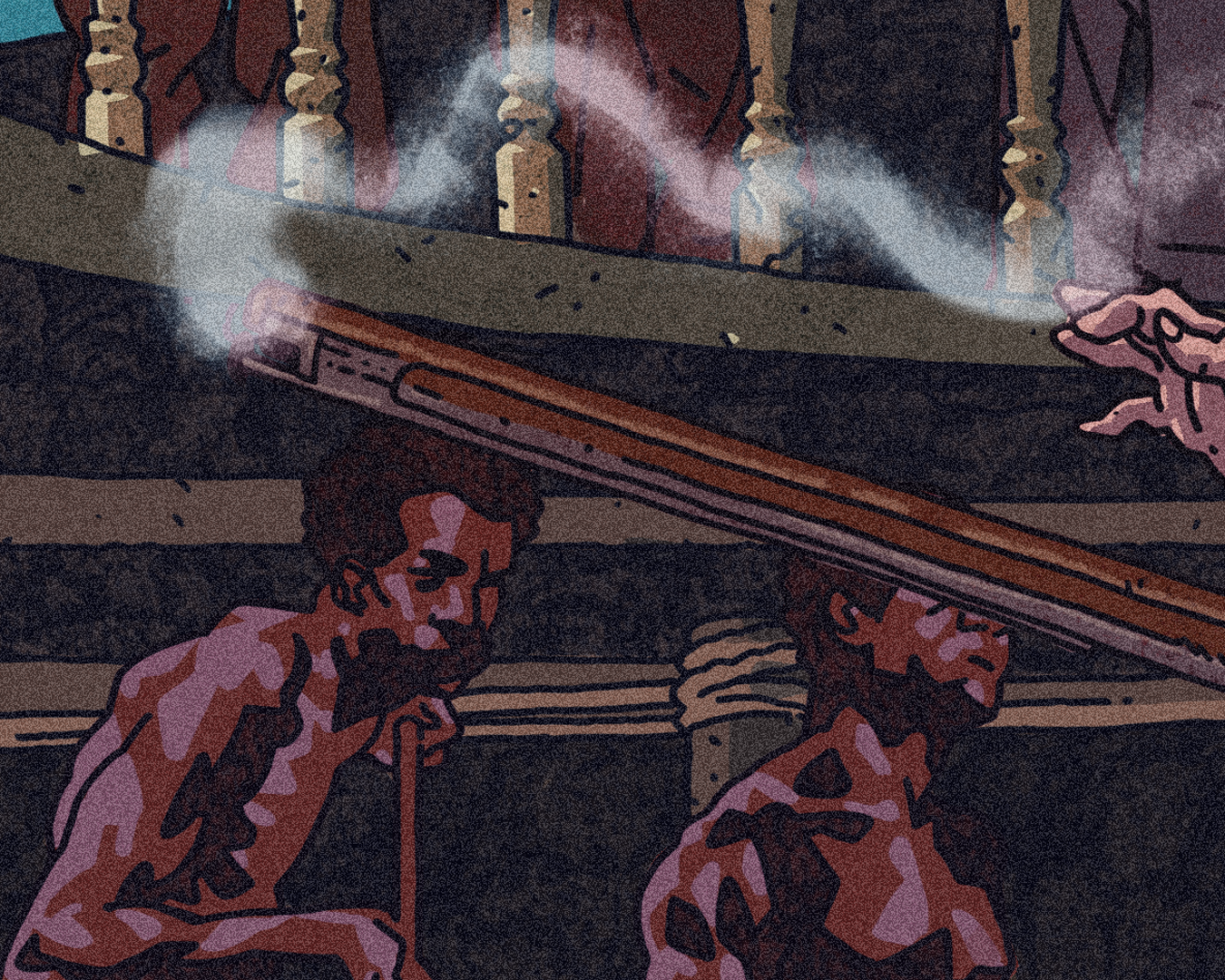
“In 1841 the brig Creole was transporting 139 enslaved African Americans from Richmond, Virginia to New Orleans, Louisiana when the captives, led by Madison Washington, revolted. The captives sailed the ship to Nassau, Bahamas, theorizing they would be free on British soil. Eventually, they won their freedom in the British courts.”
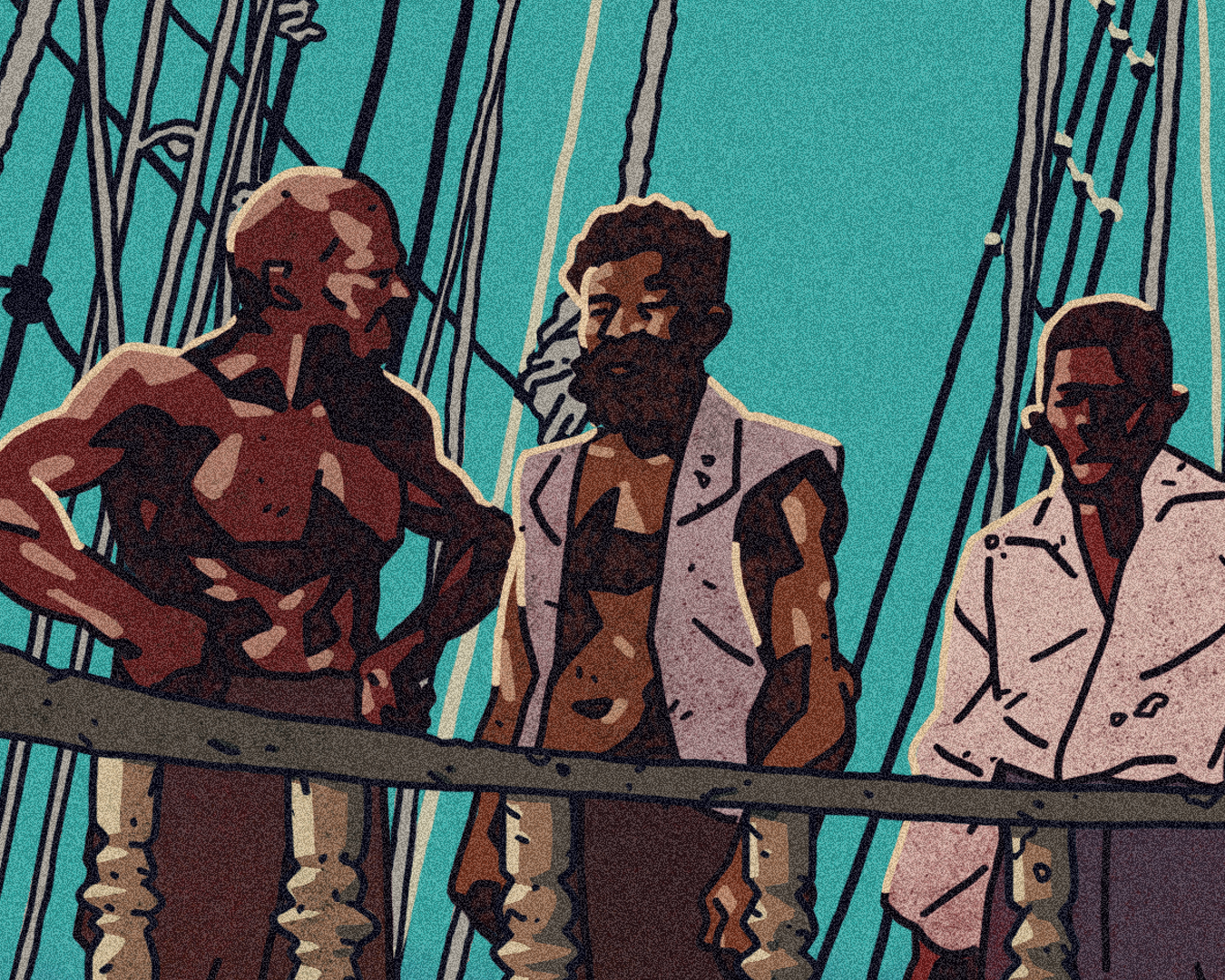
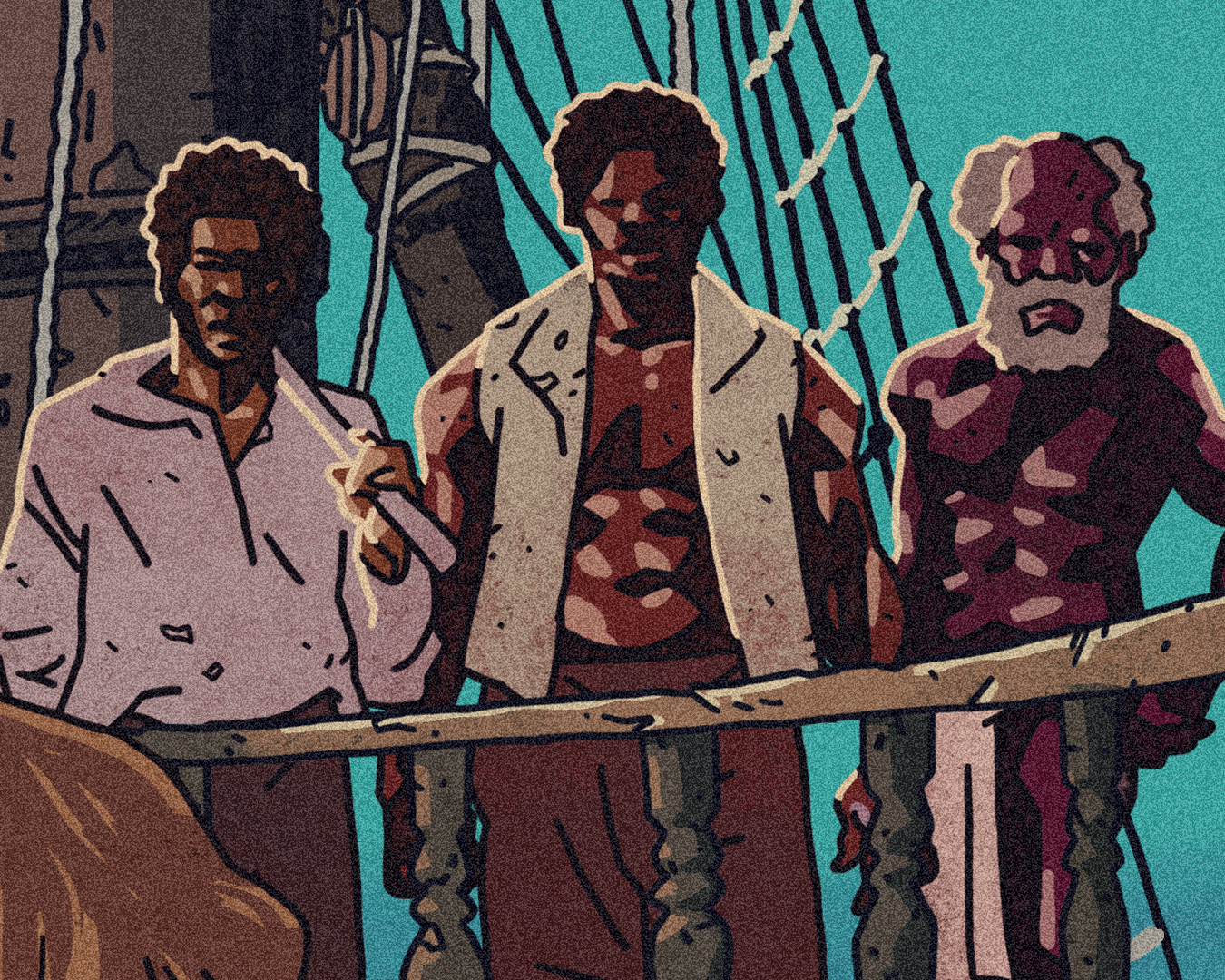
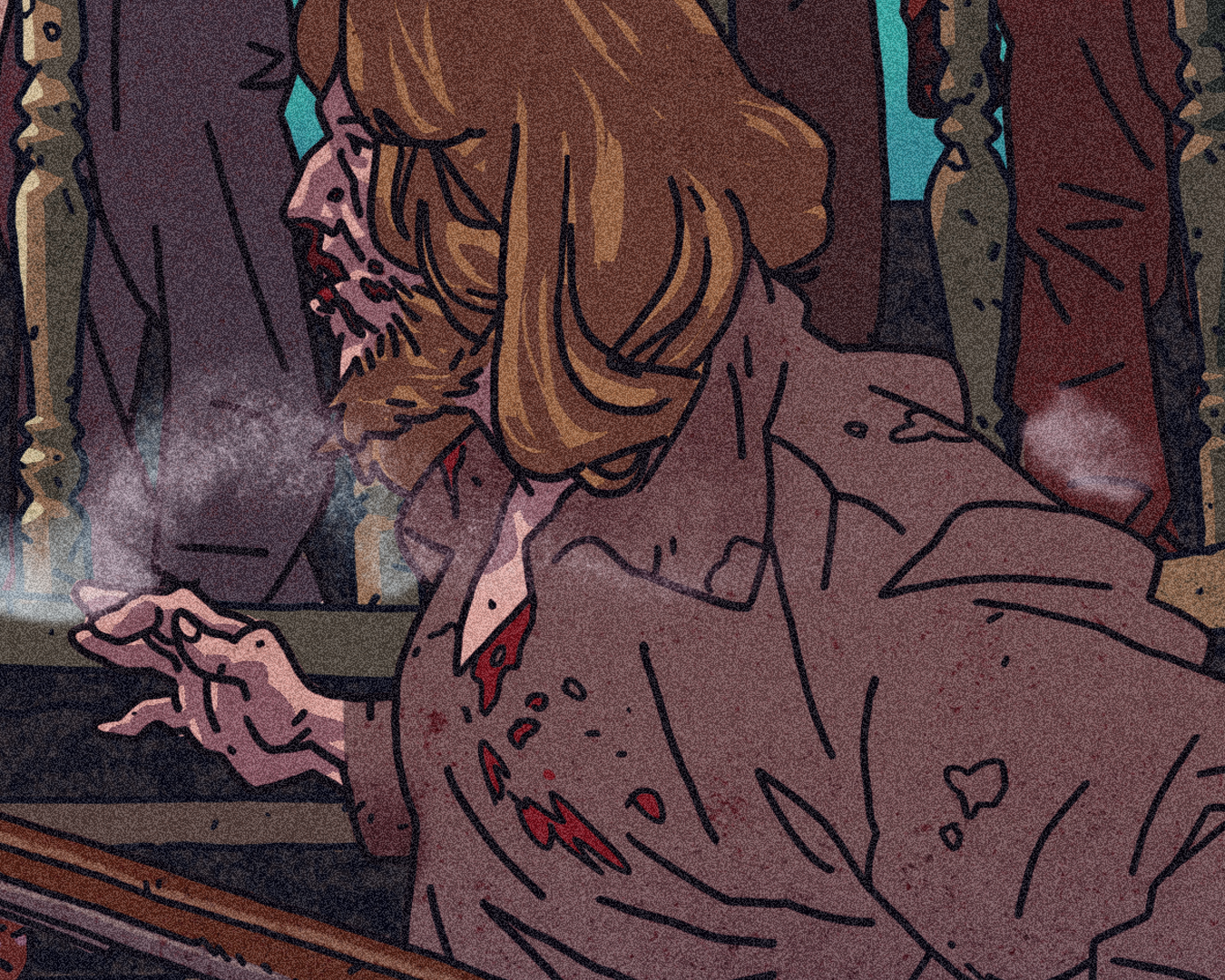
The Hudibras Mutiny
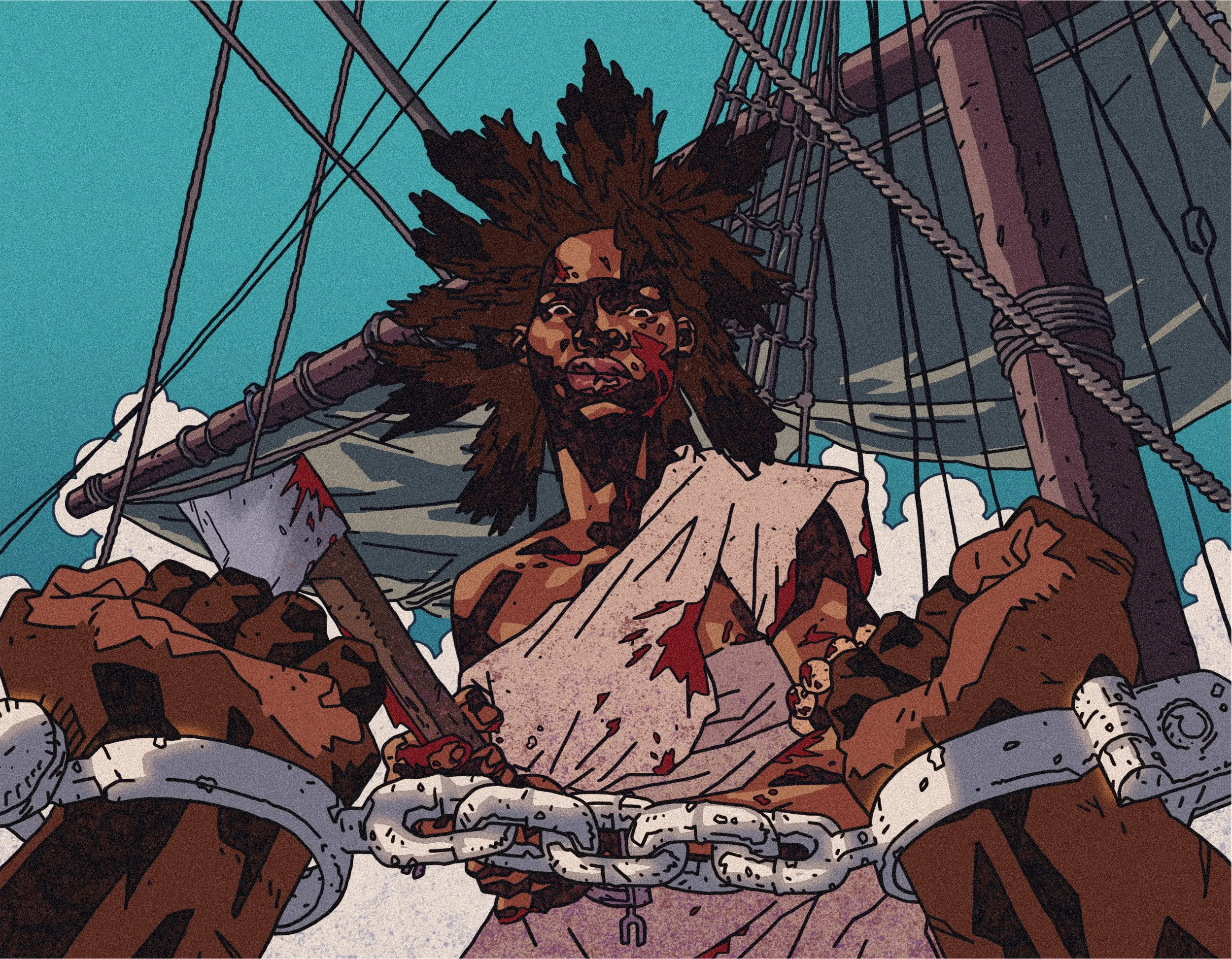
“The Hudibras was traveling from Liverpool to Nigeria and faced two planned insurrections in the Bight of Biafra. Women played a key role in the second revolt. Armed with forks, knives, and an ax and led by a powerful woman named Boatswain Bess, the rebels ultimately failed in capturing the ship but left a lasting impression on the crew.”
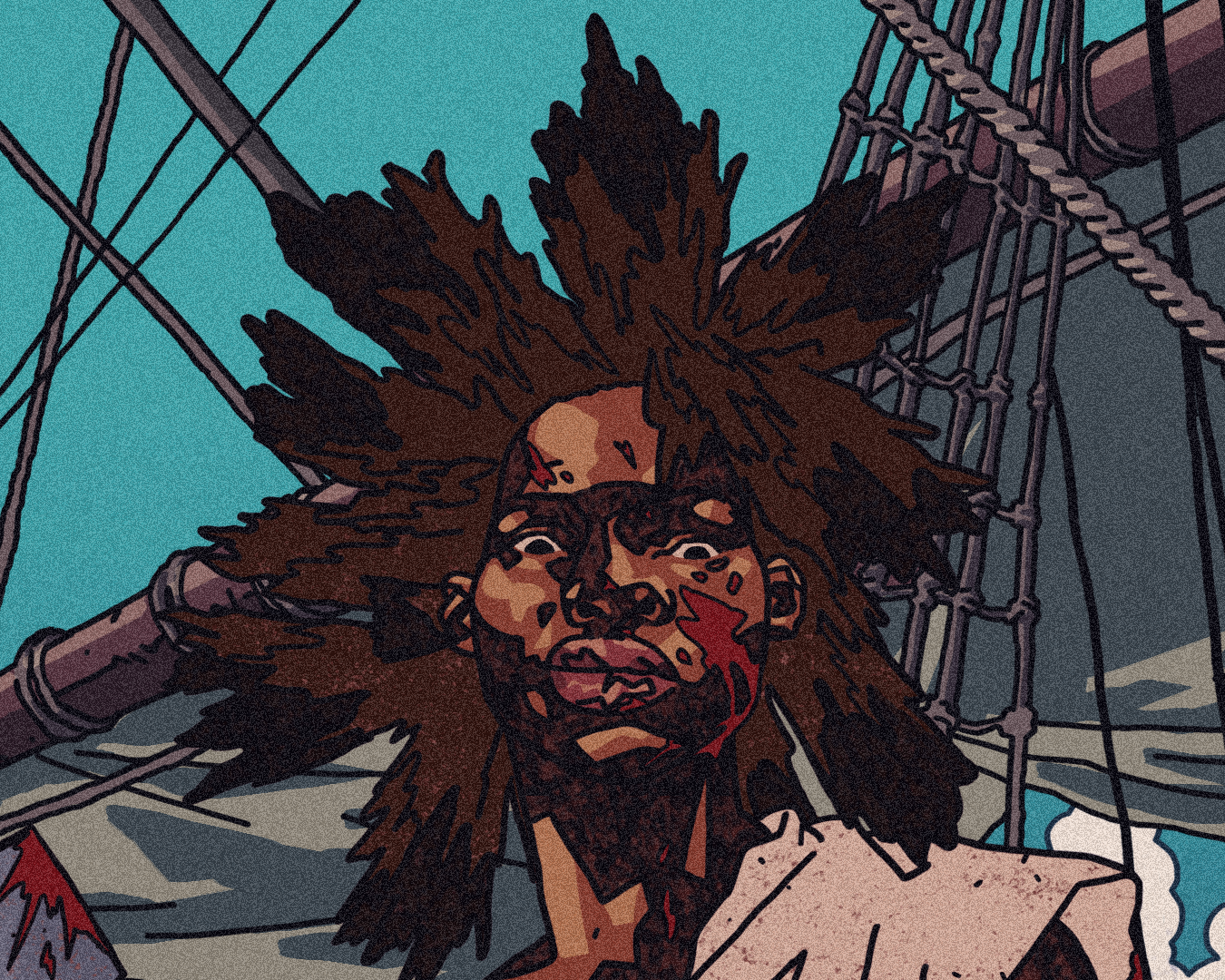
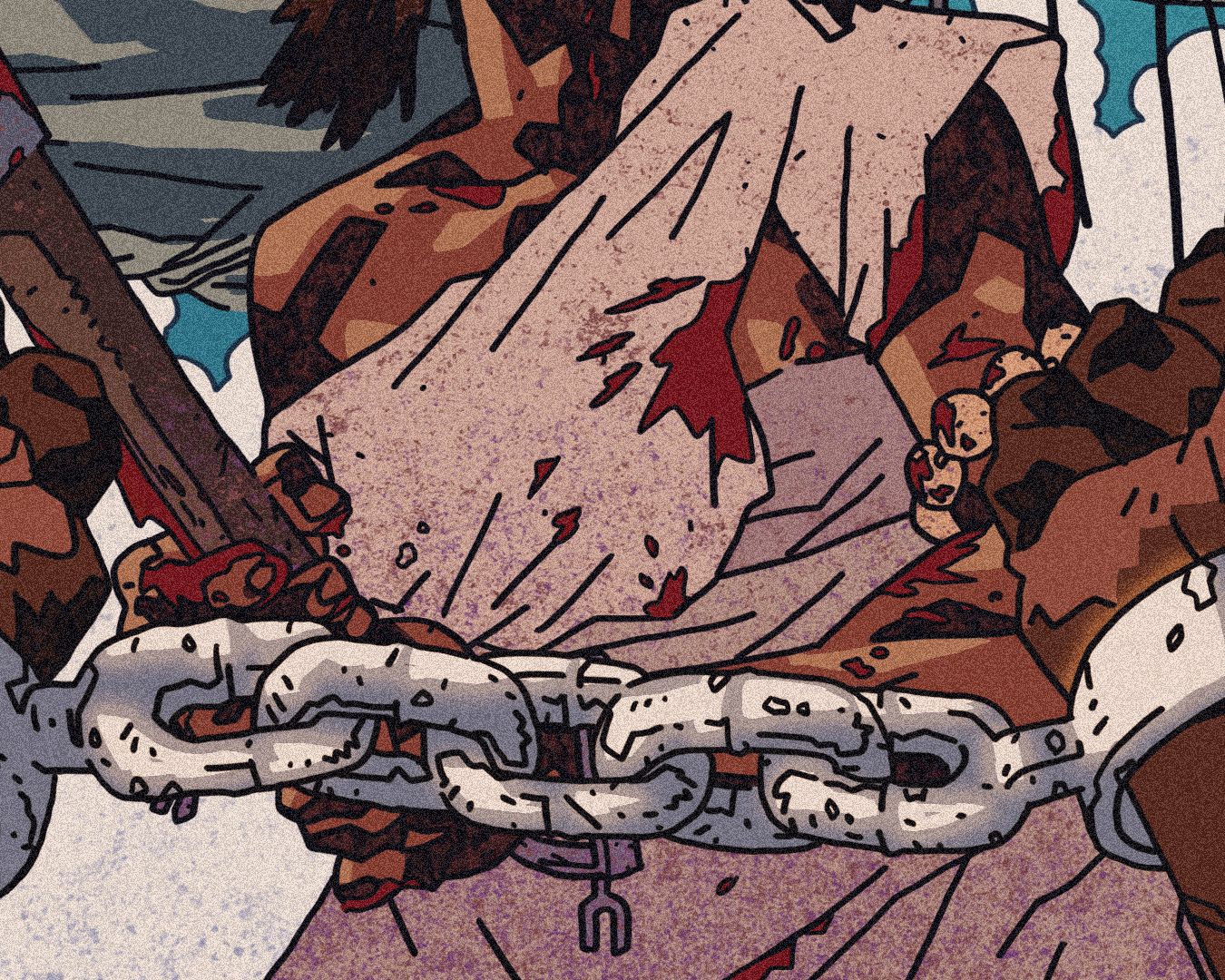
Congo Square
“Congo Square Park in New Orleans, Louisiana was a gathering place for enslaved and free African and Indigenous Americans. Its name came from the large number of enslaved people of Kongo descent who gathered to play music and dance, particularly on Sundays. It is considered the birthplace of American jazz.”
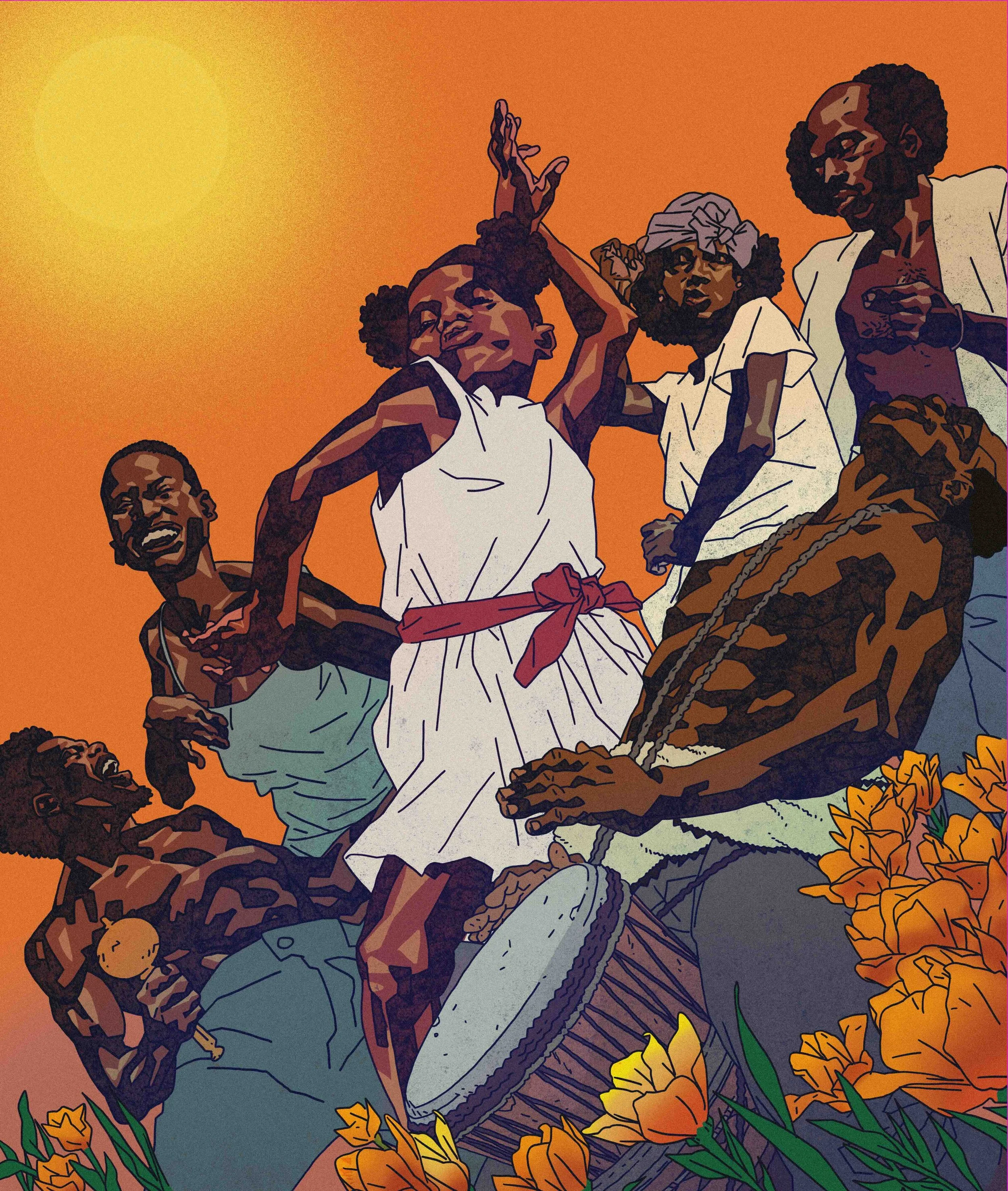
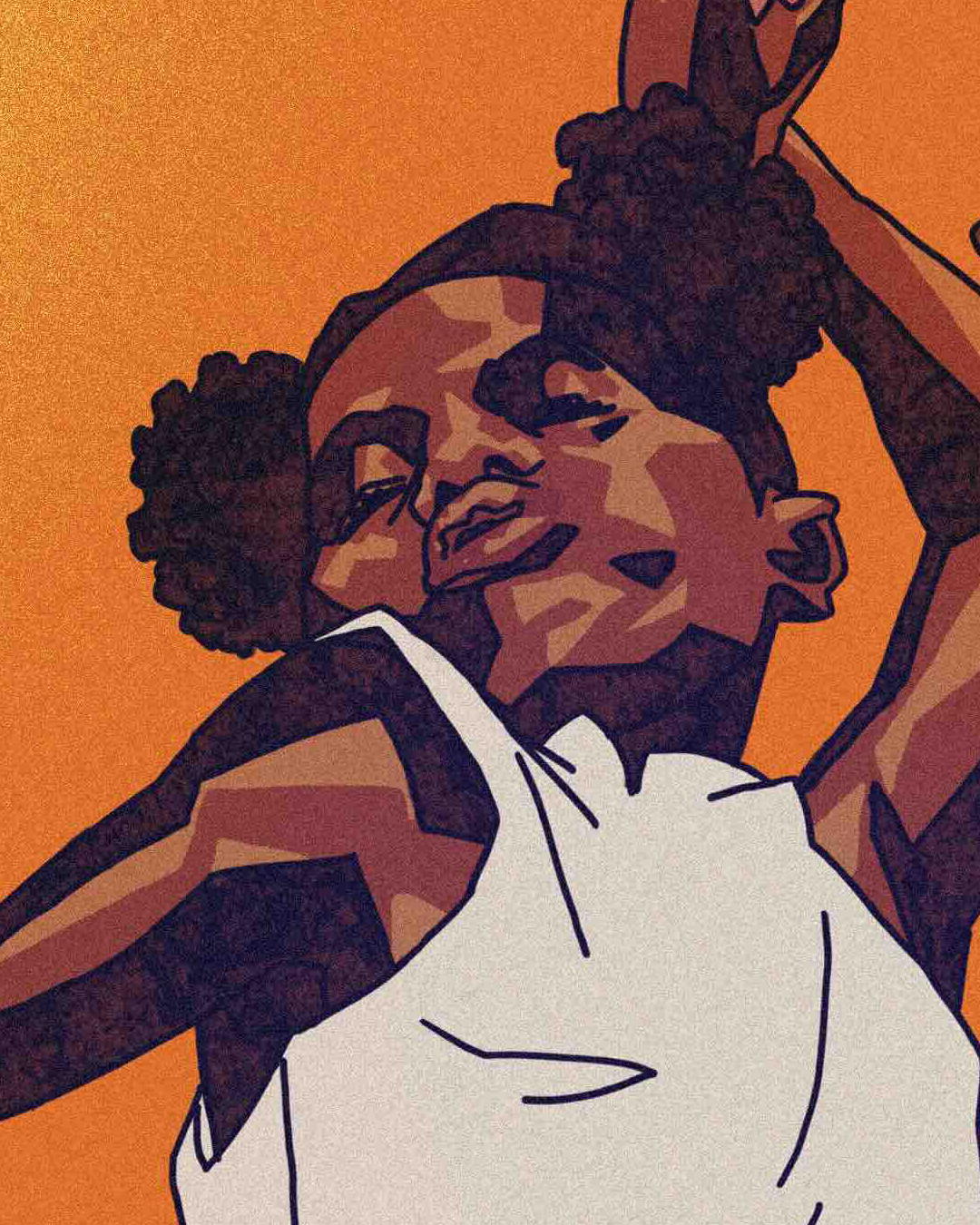
Congada
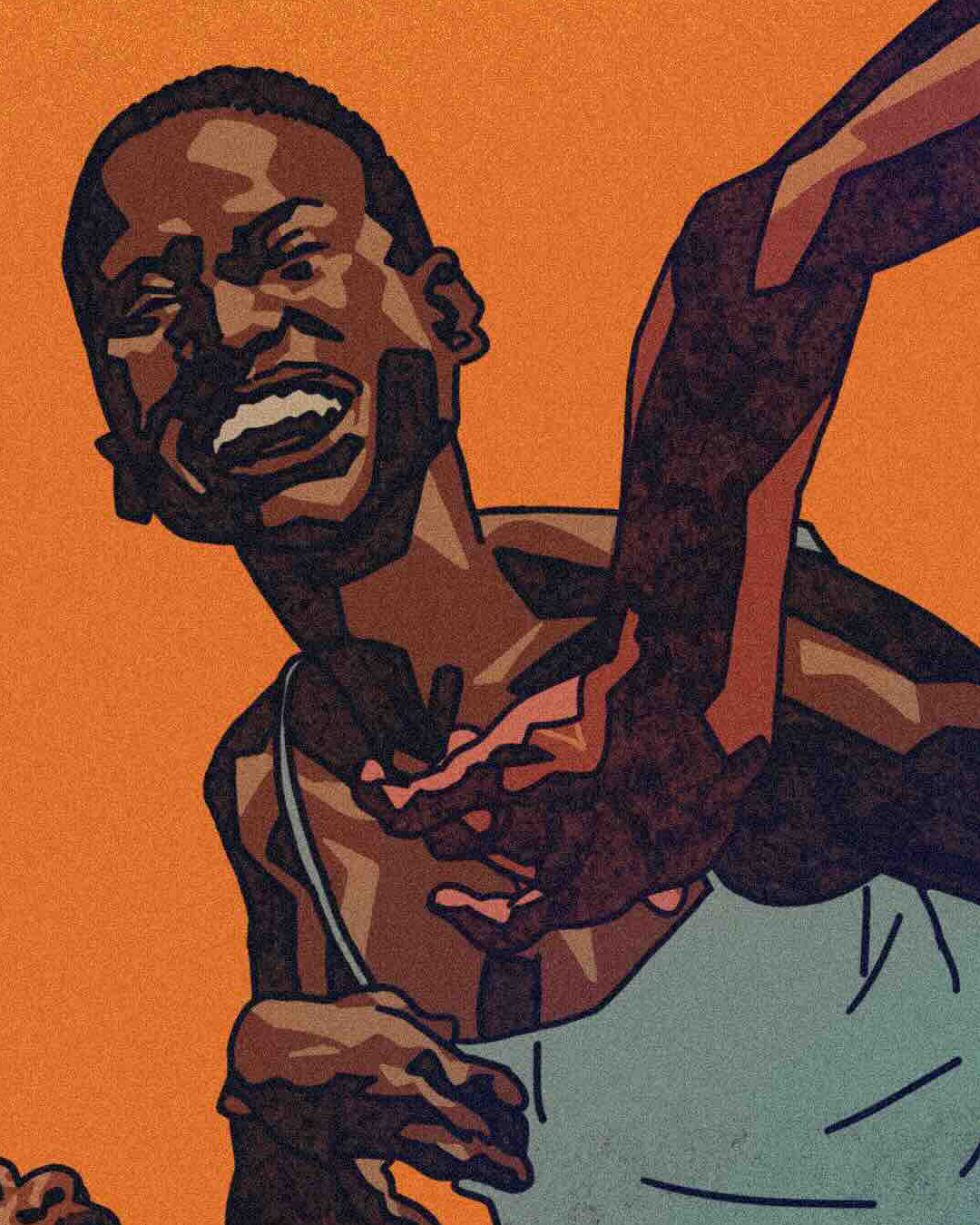
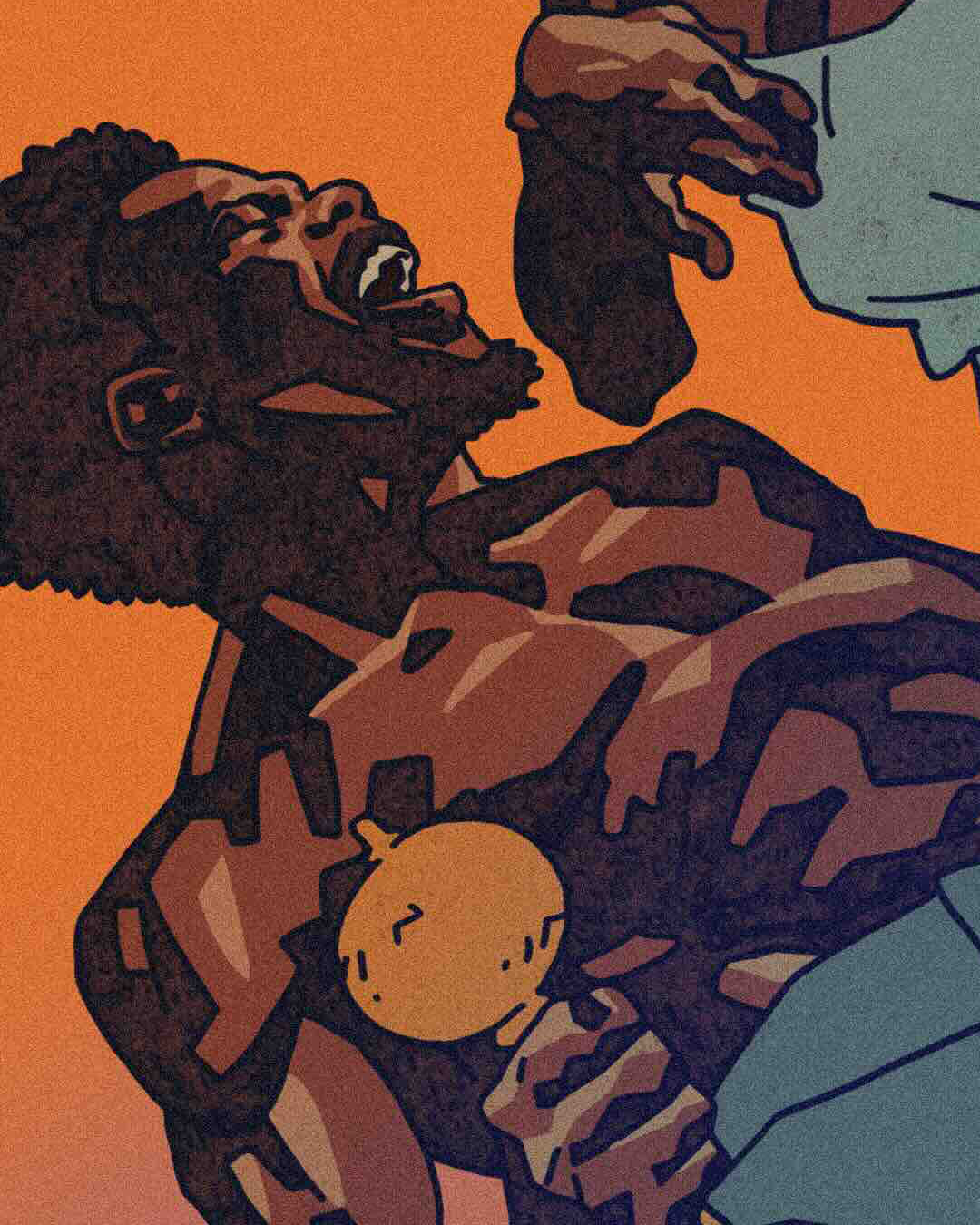
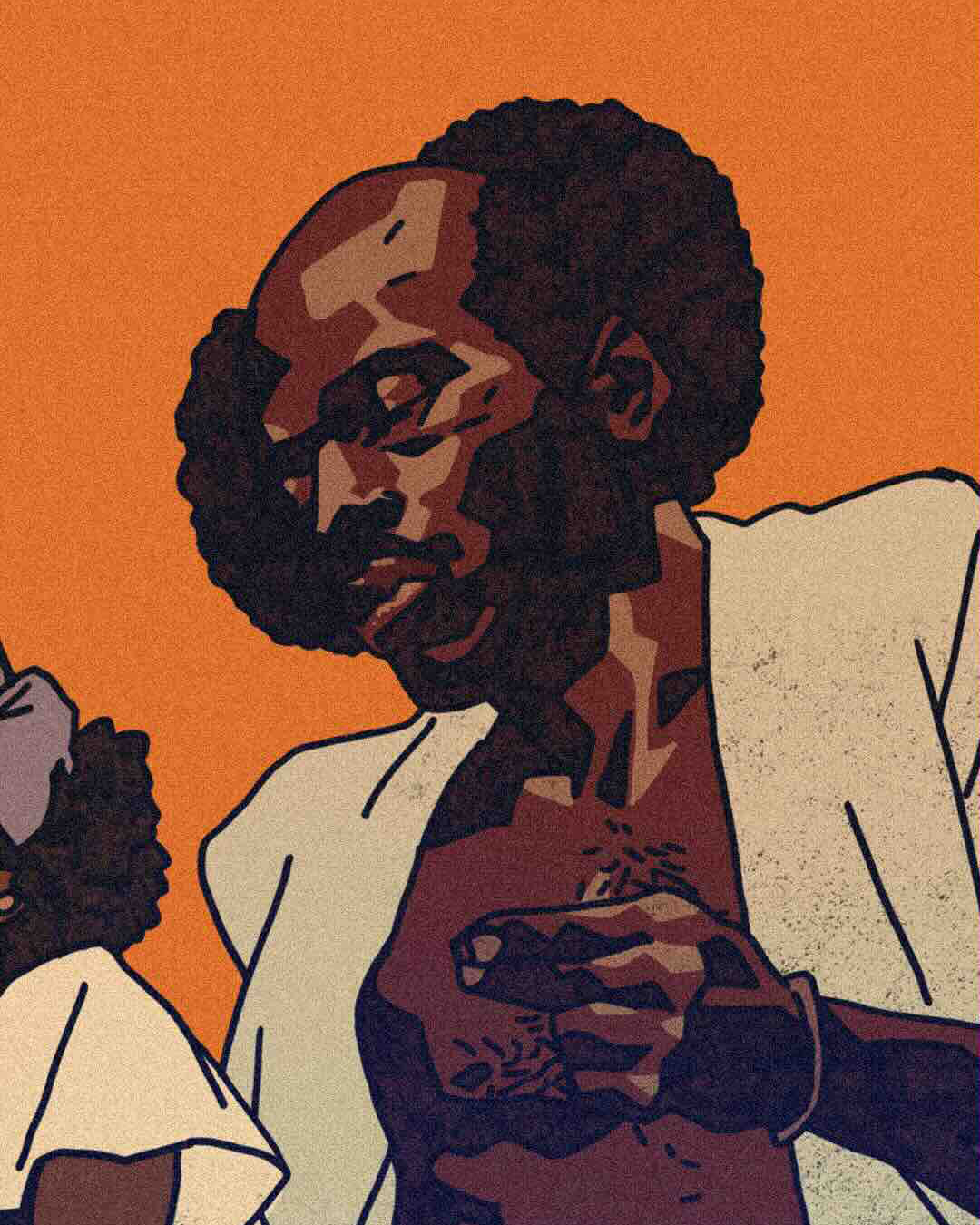
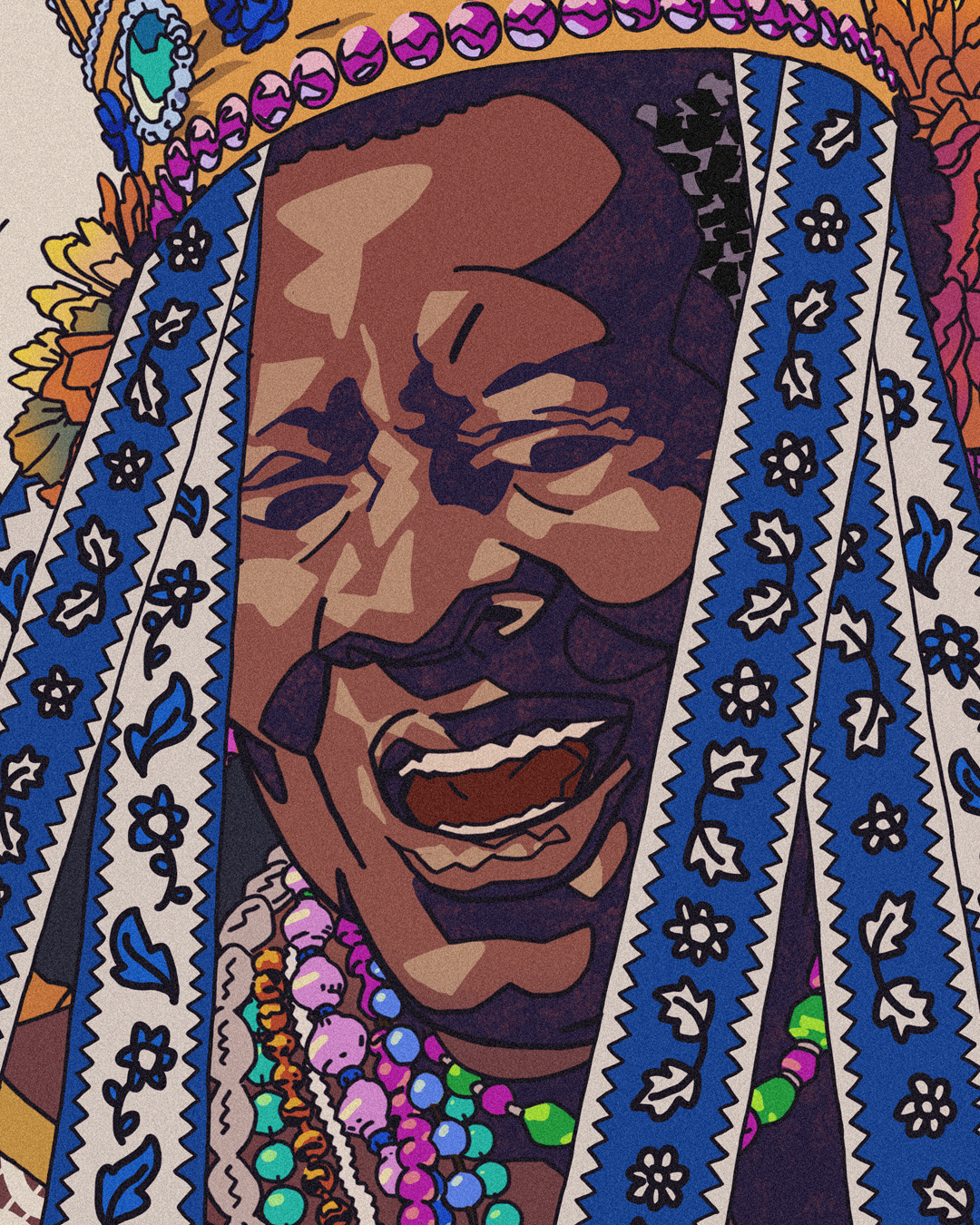
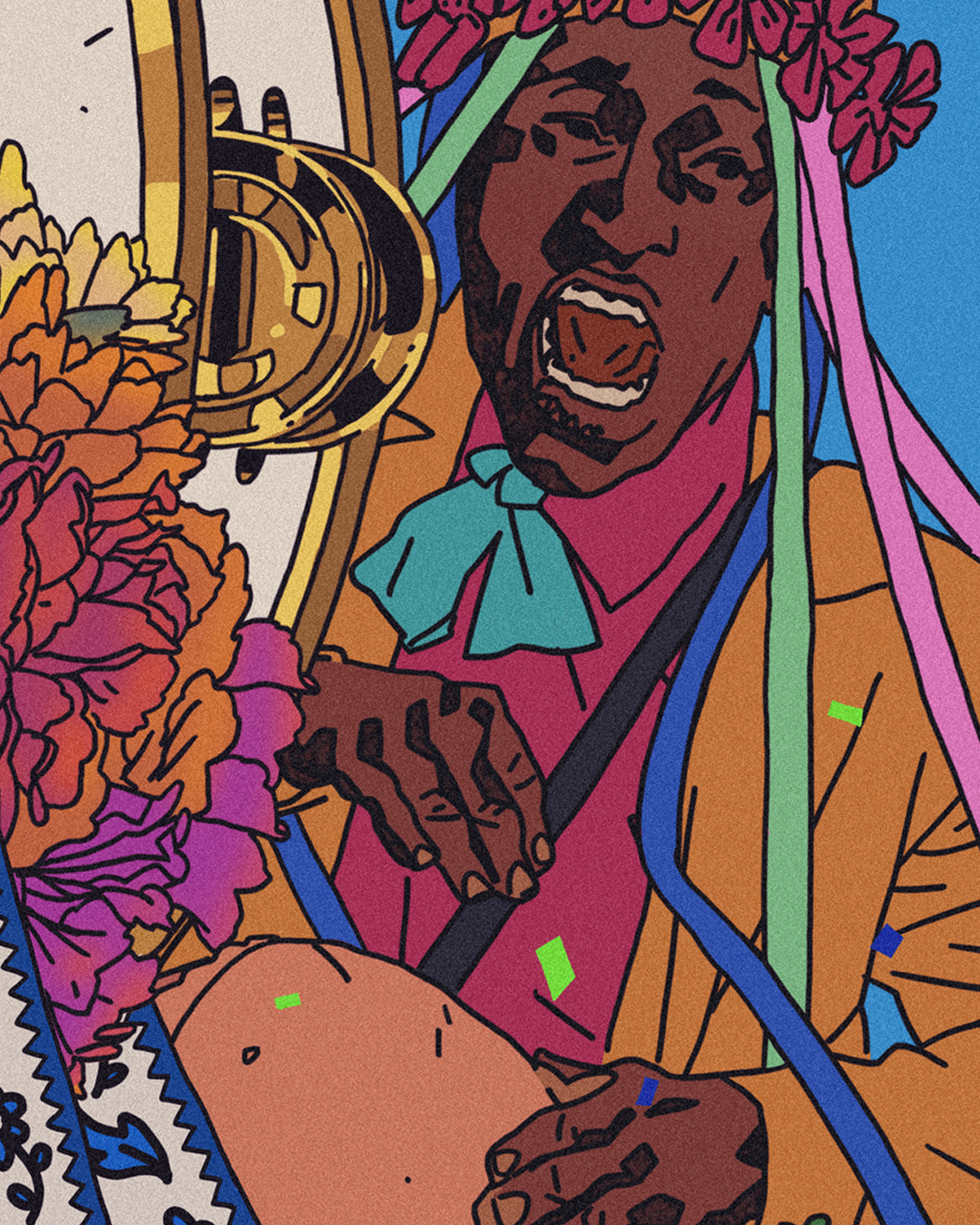
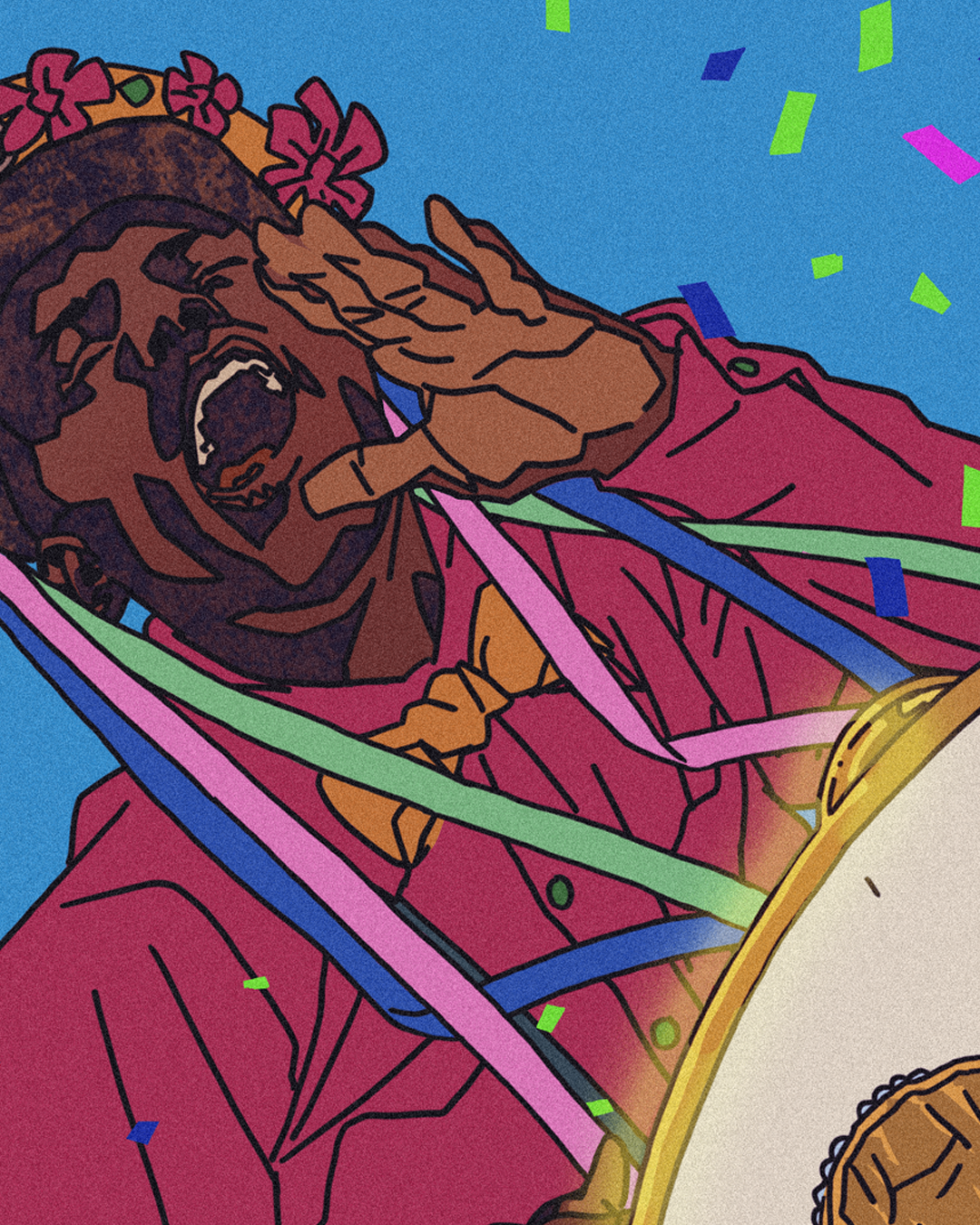
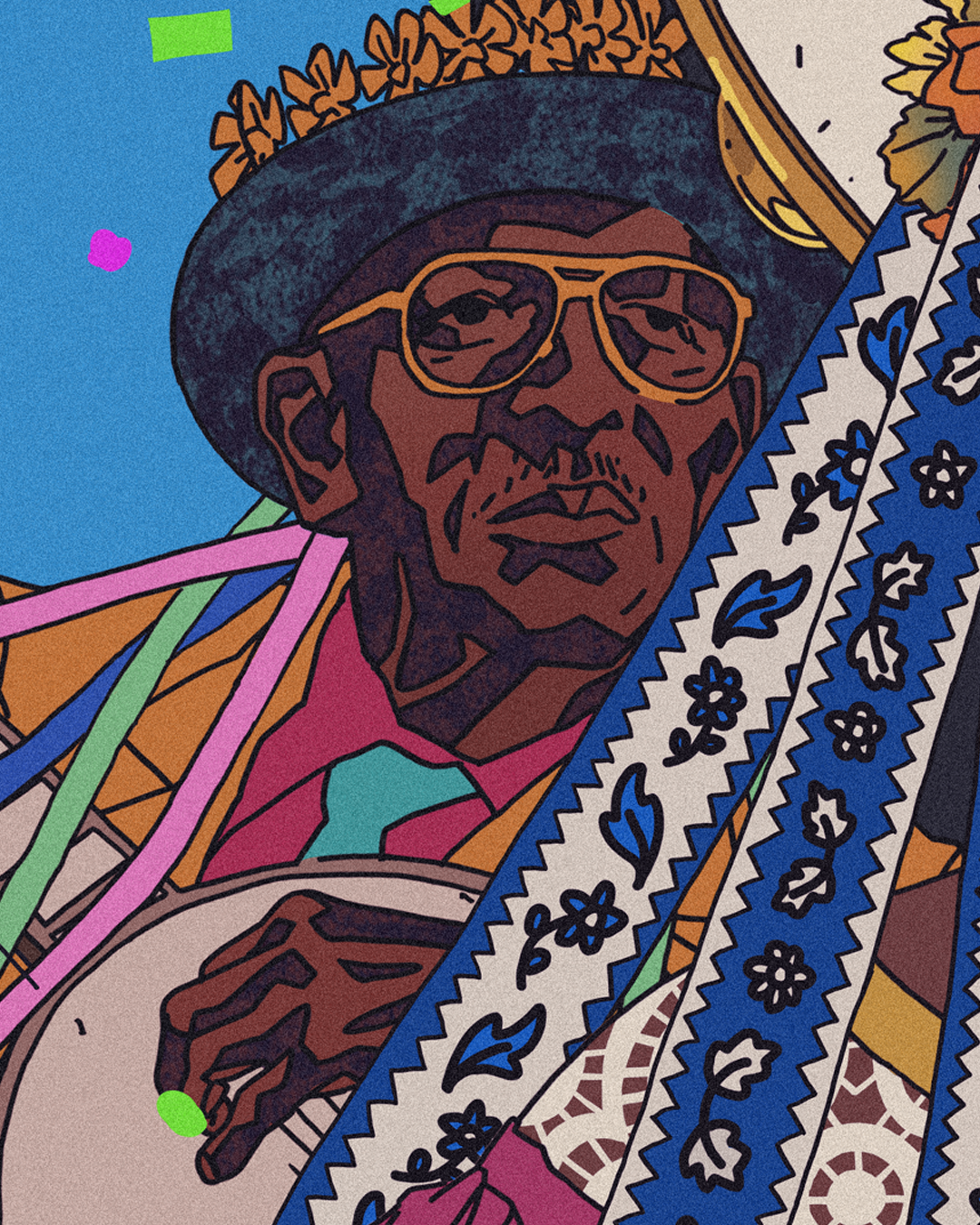
“The Congada is a ceremonial parade reenacting the coronation of the king of Kongo and other court rituals. Beginning in the 17th century, enslaved Afro-Brazilians began to reconfigure this African religious tradition and produce a celebration of music and performance. Annual Congada parades are still held across Brazil today.”
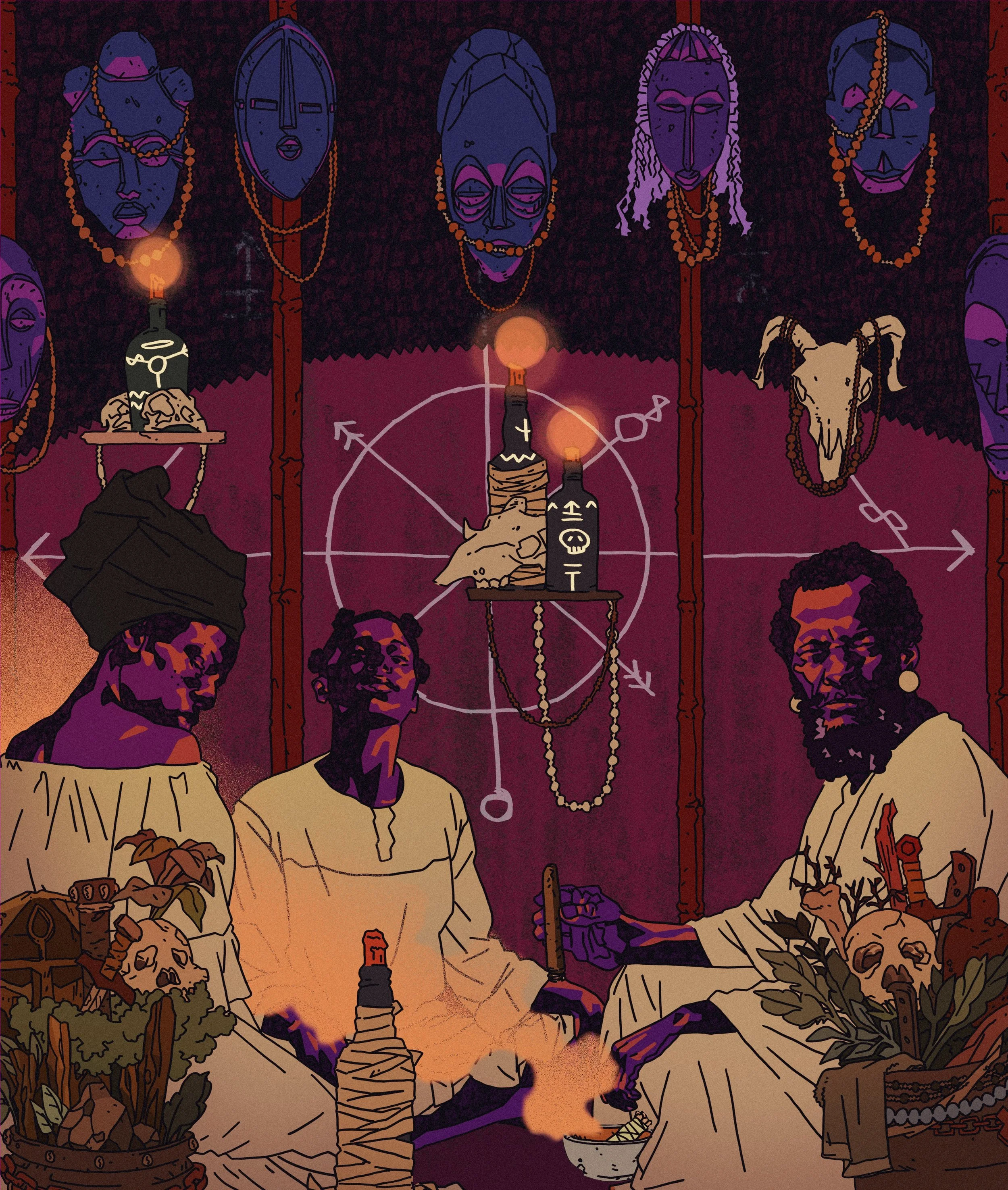
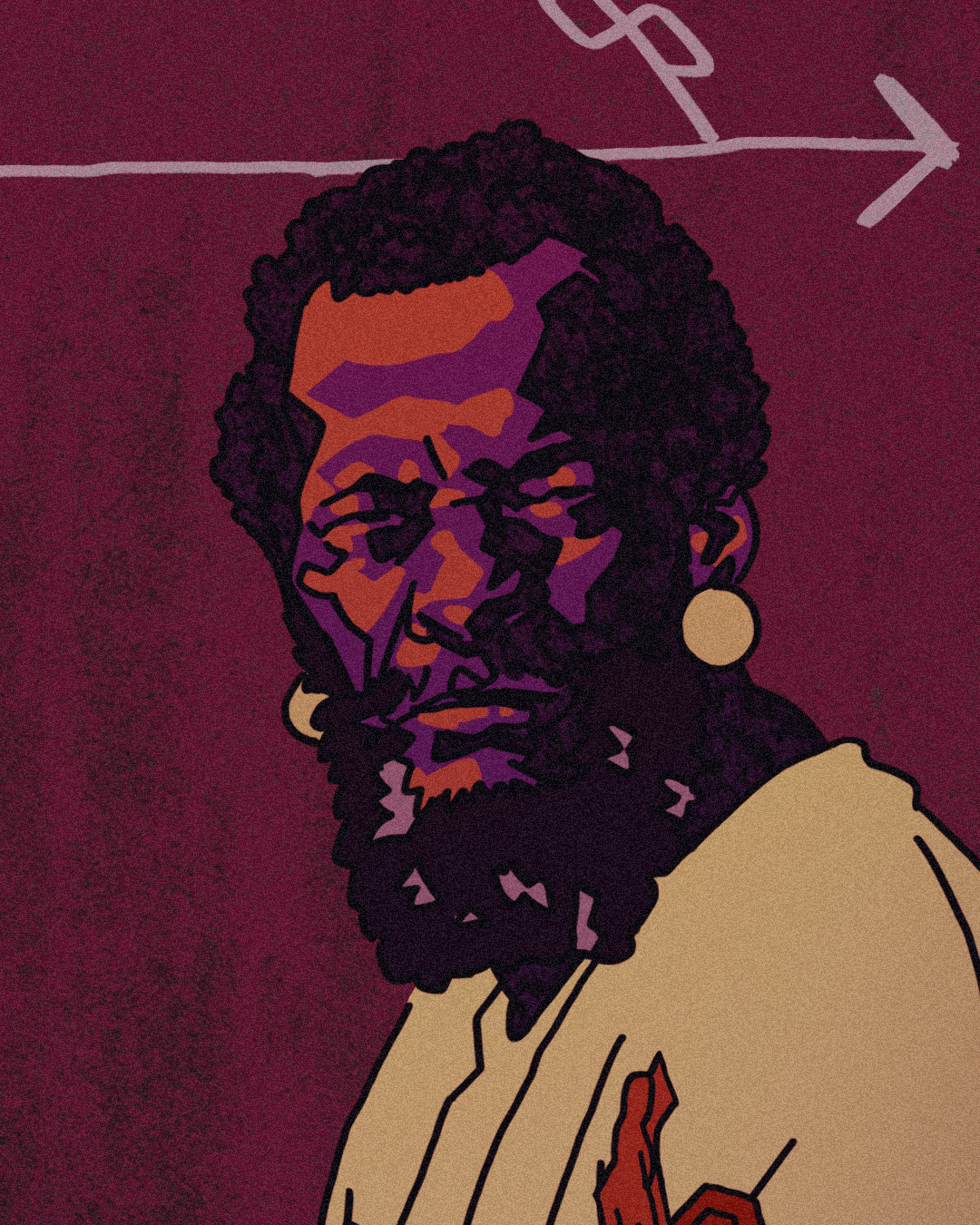
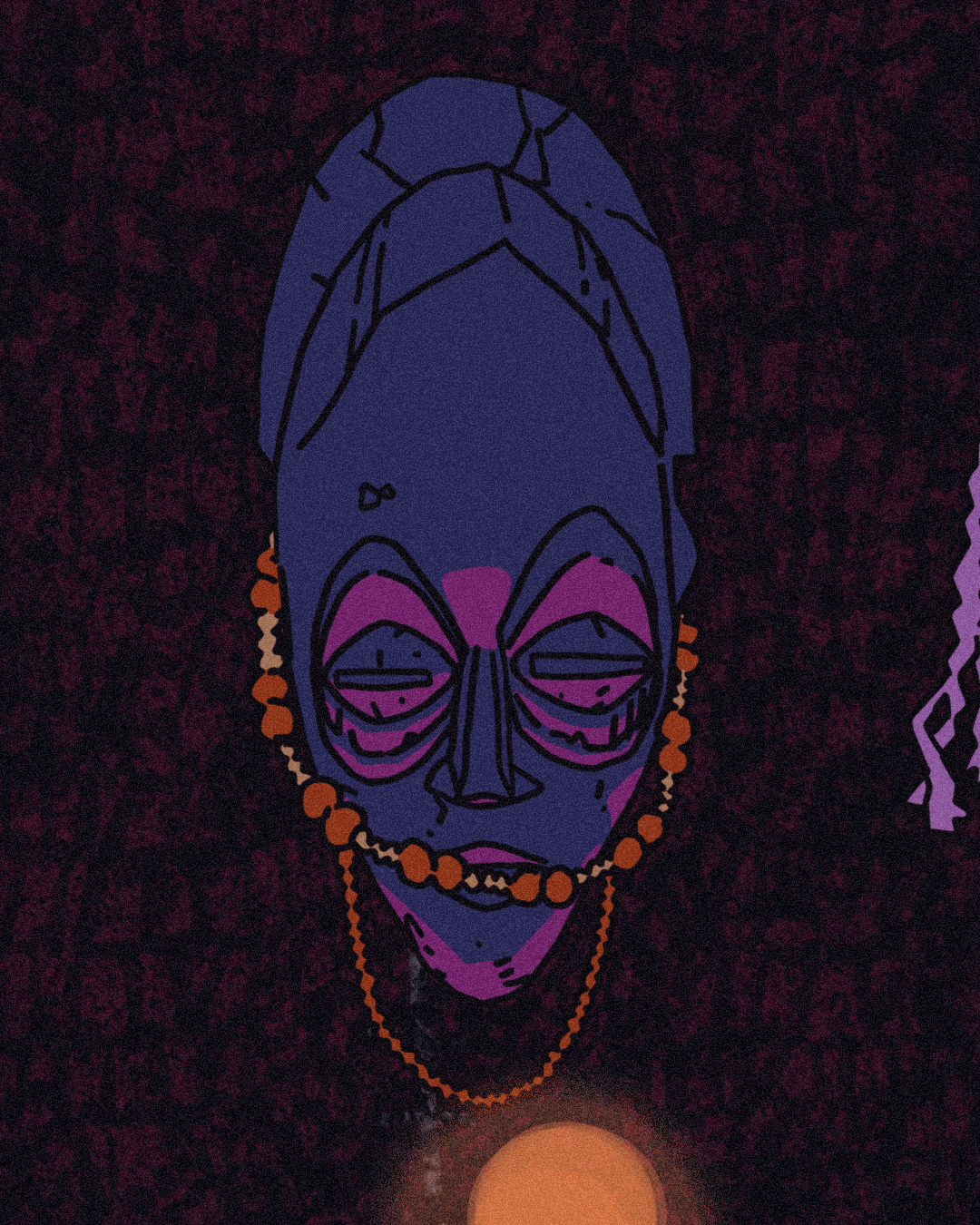
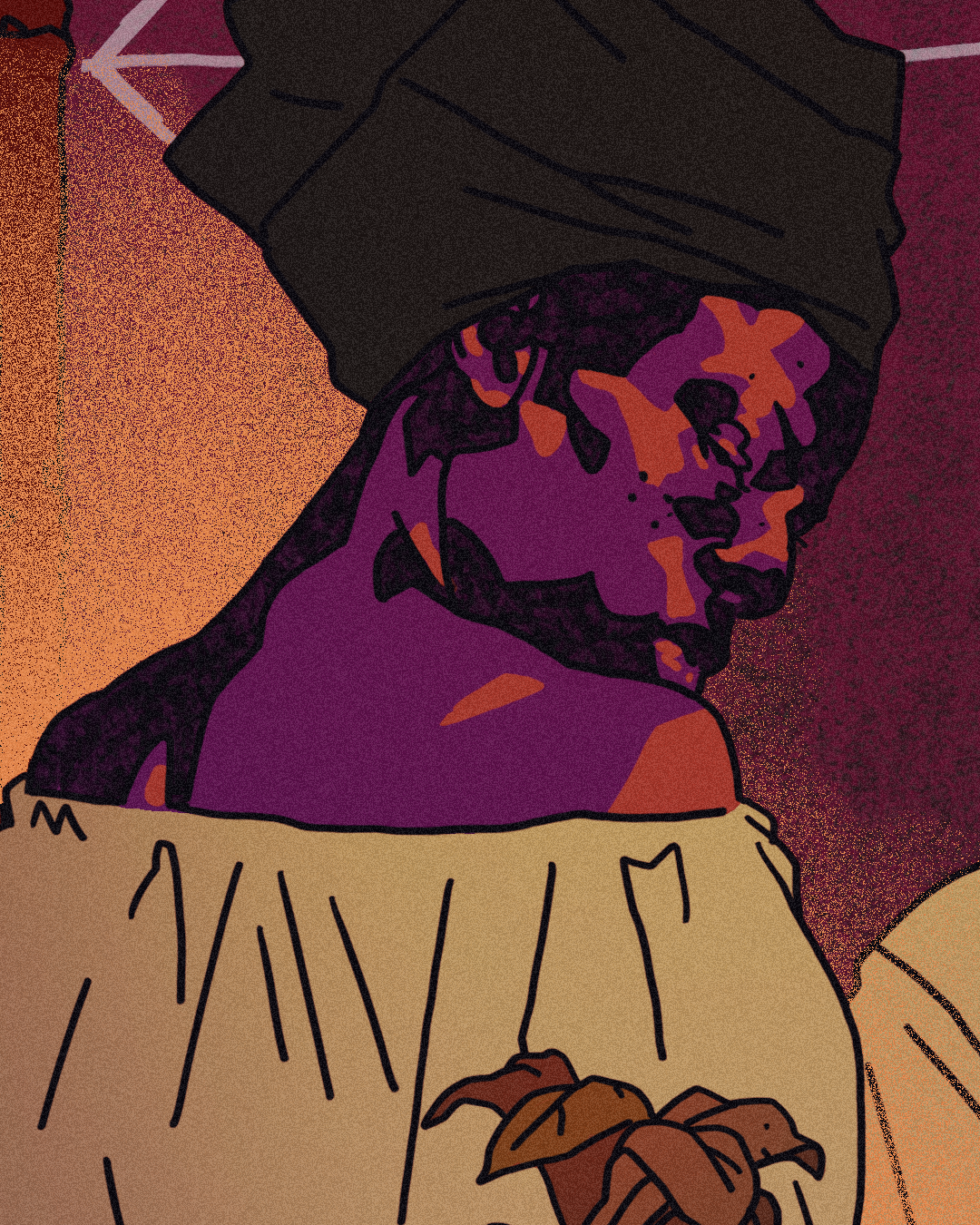
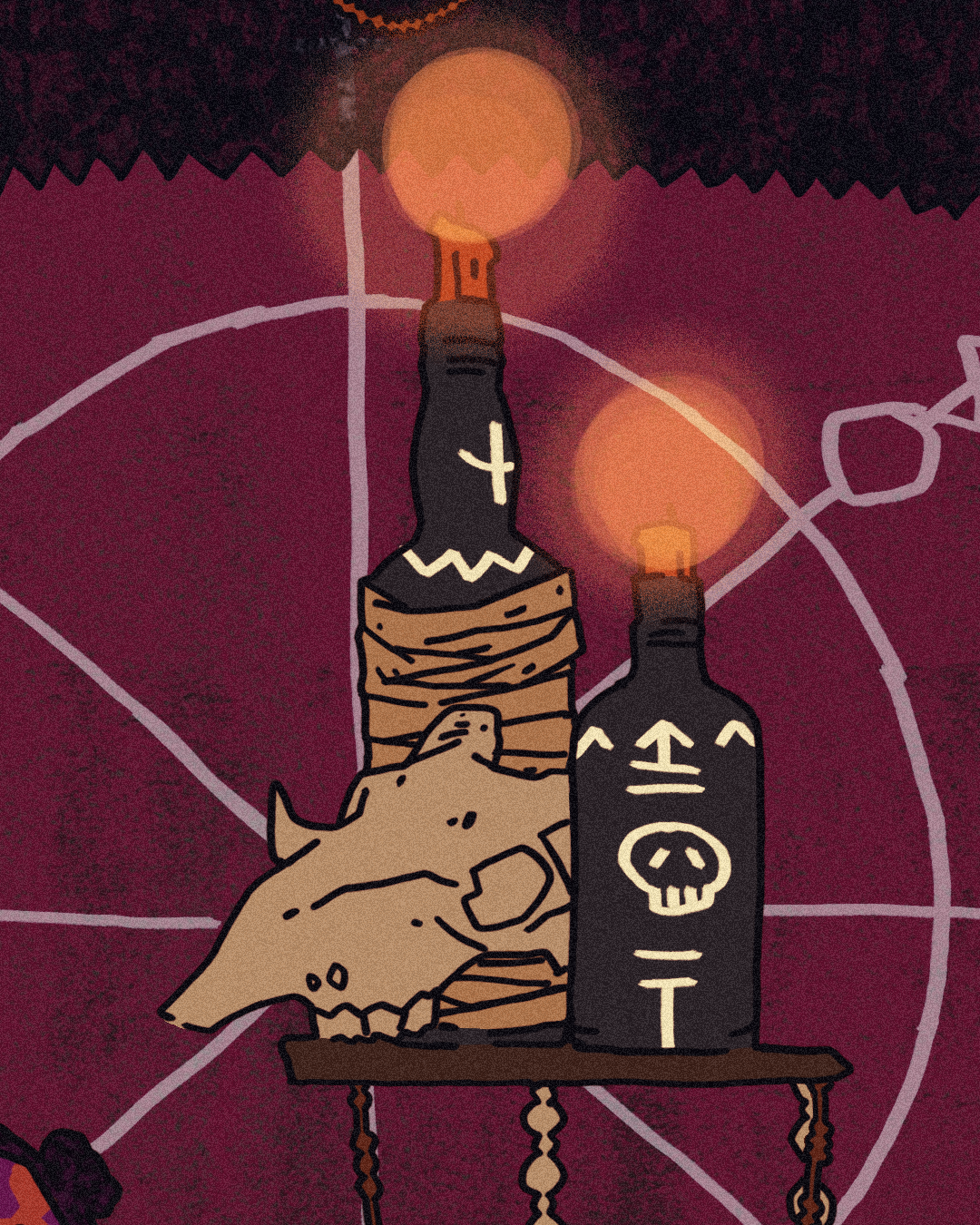
Palo Mayombe
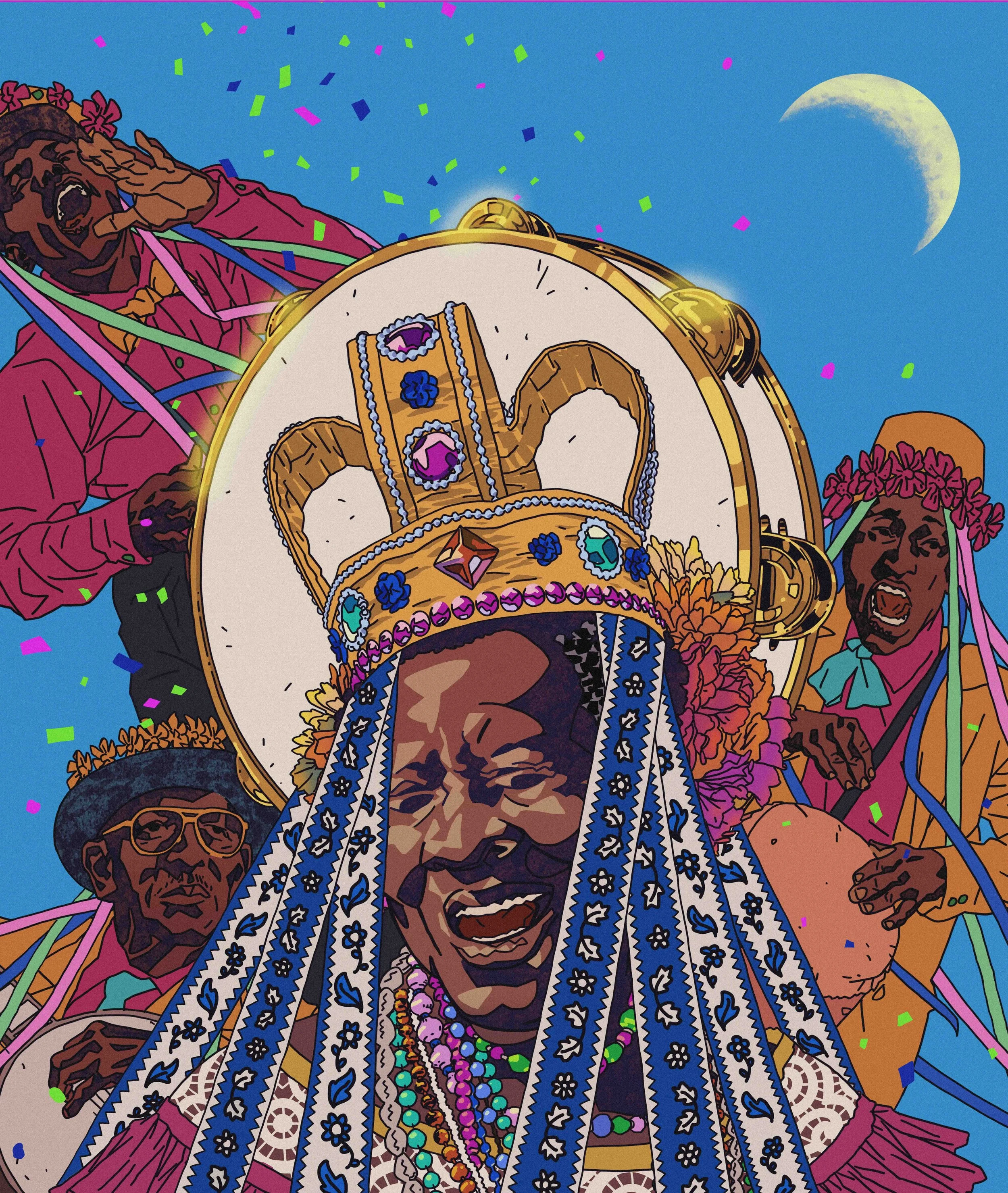
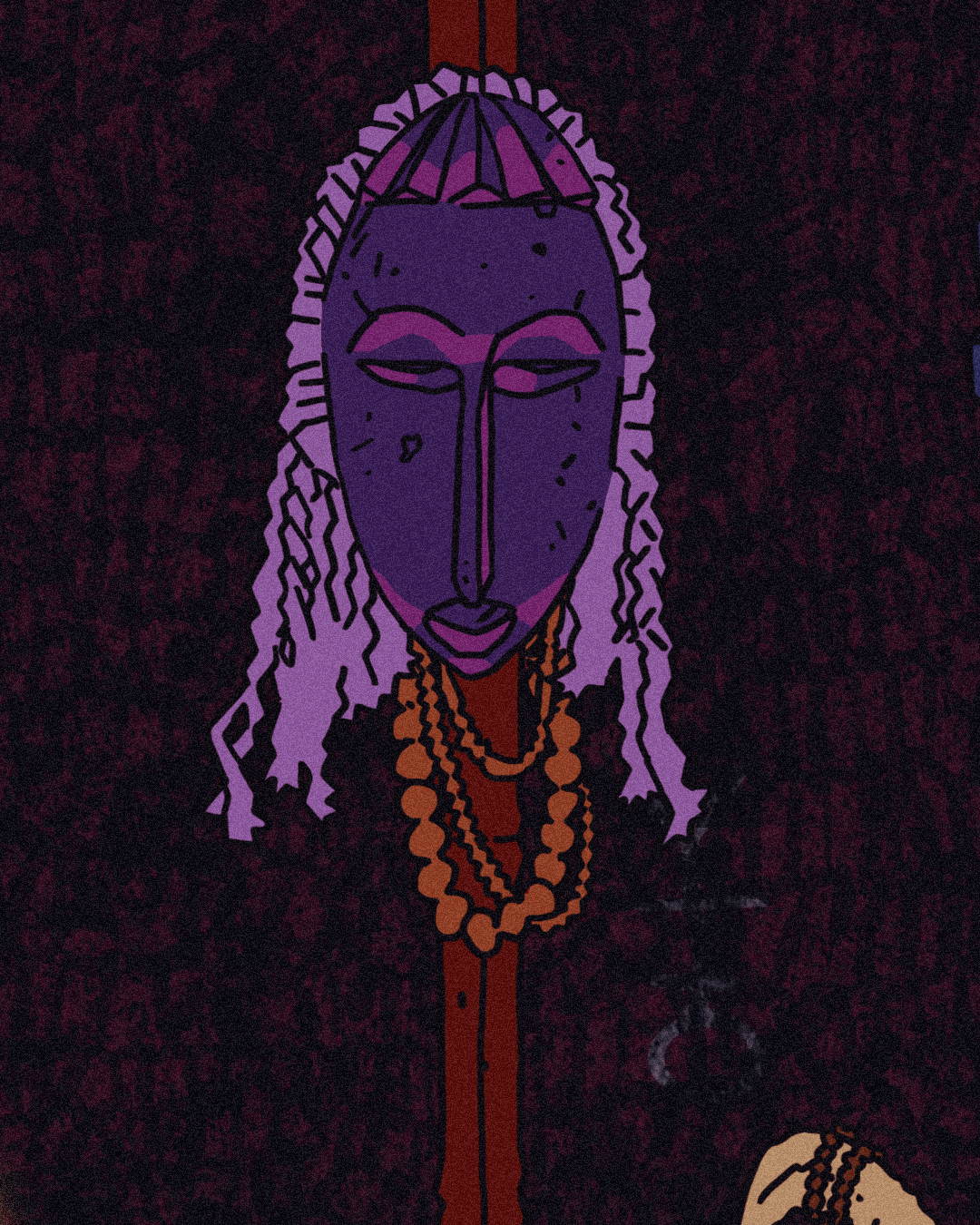
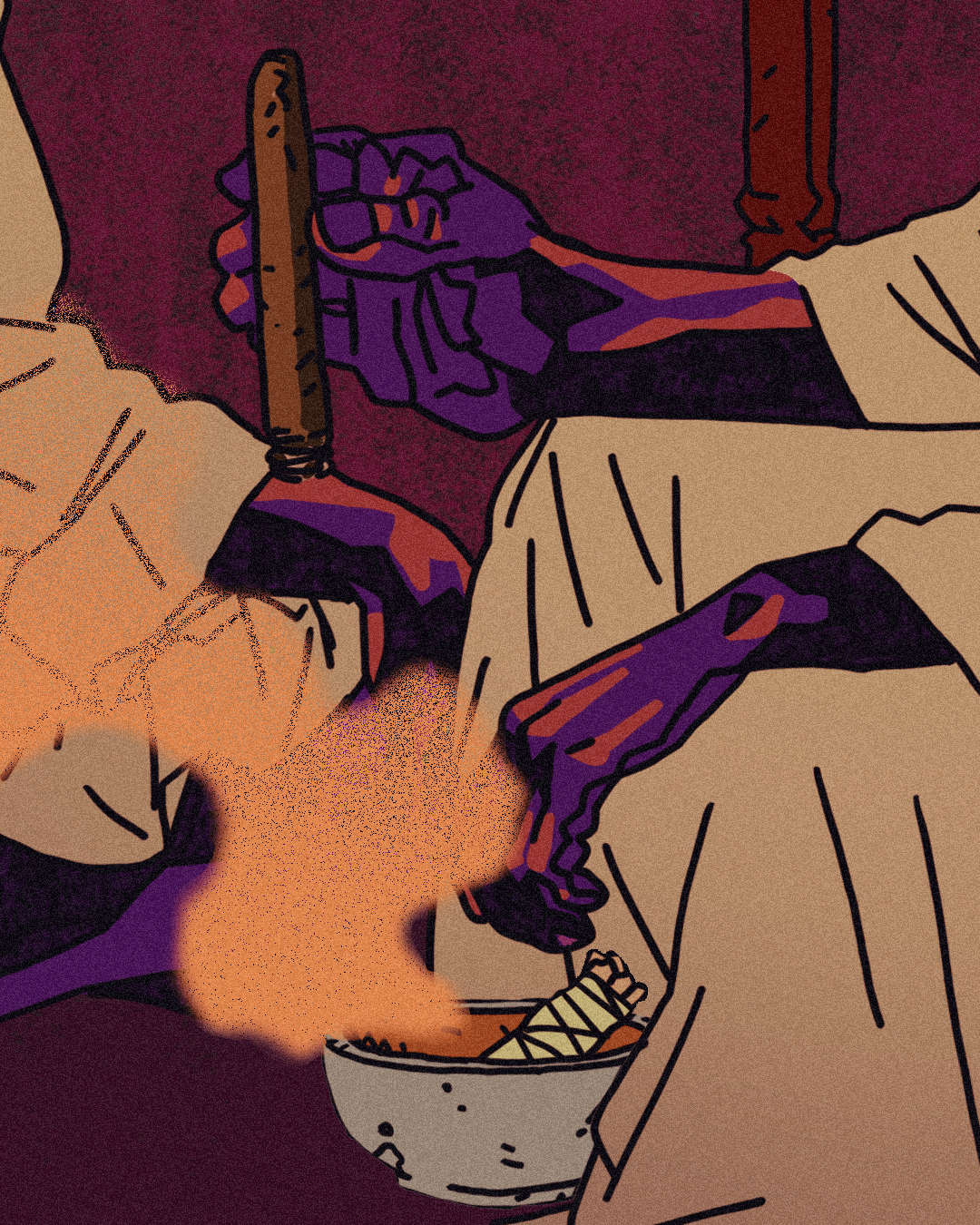
“Palo Mayombe is an Afro-Caribbean religion that combines elements of traditional Kongo beliefs, Yoruba worship, and Catholicism. Central to Palo Mayombe is the veneration of spirits and ancestors through rituals, divination, and the use of sacred objects.”
Brutus Julius
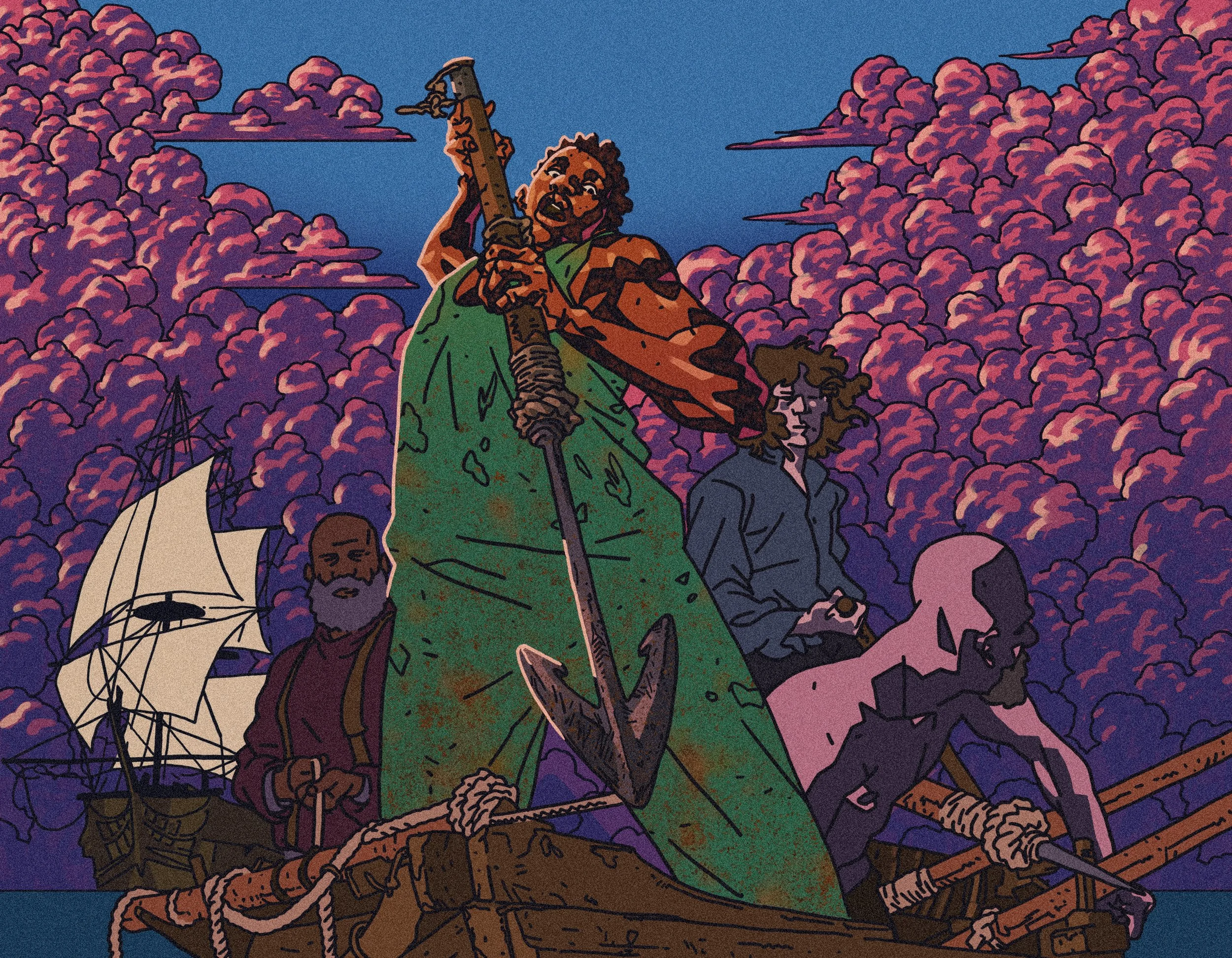
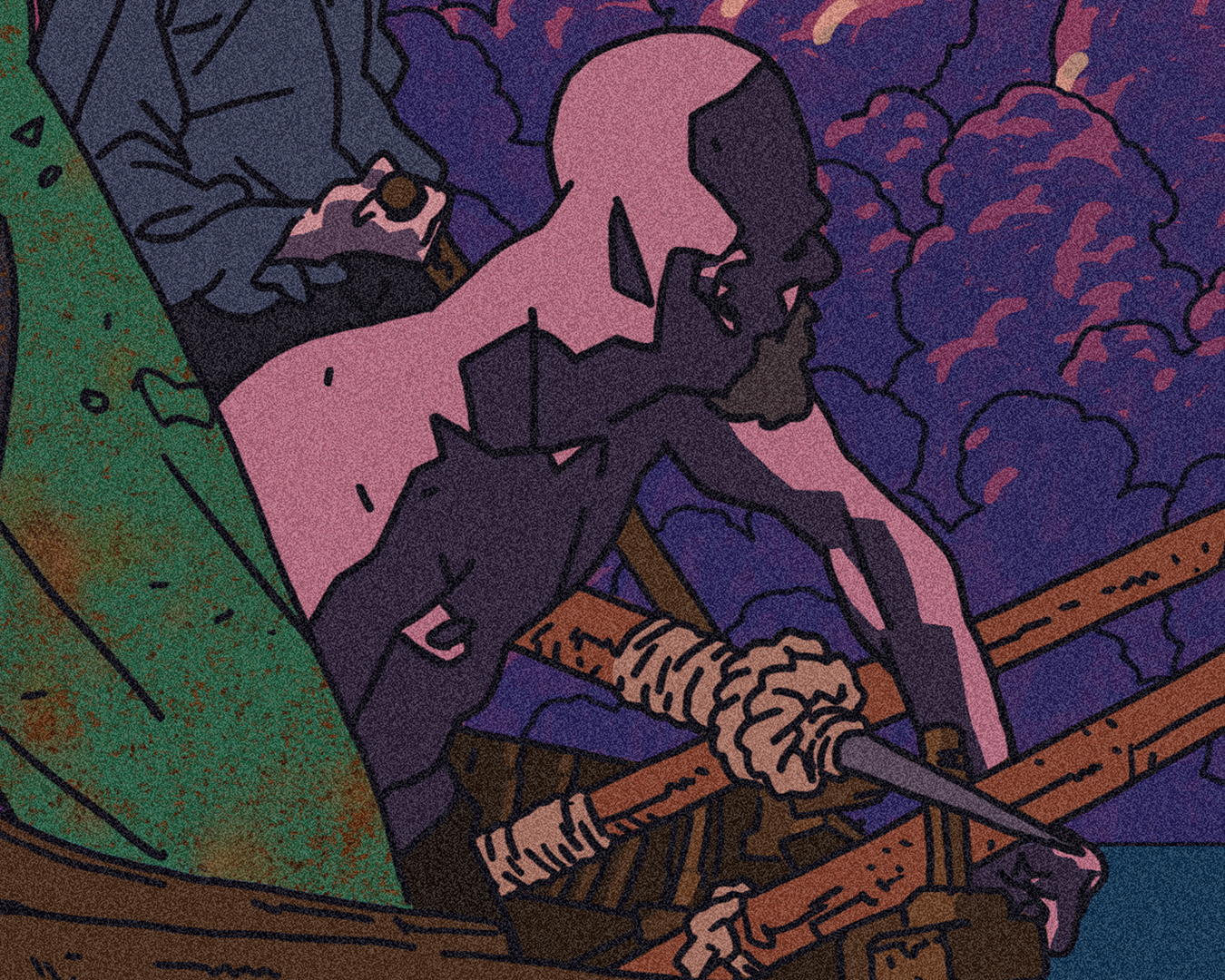
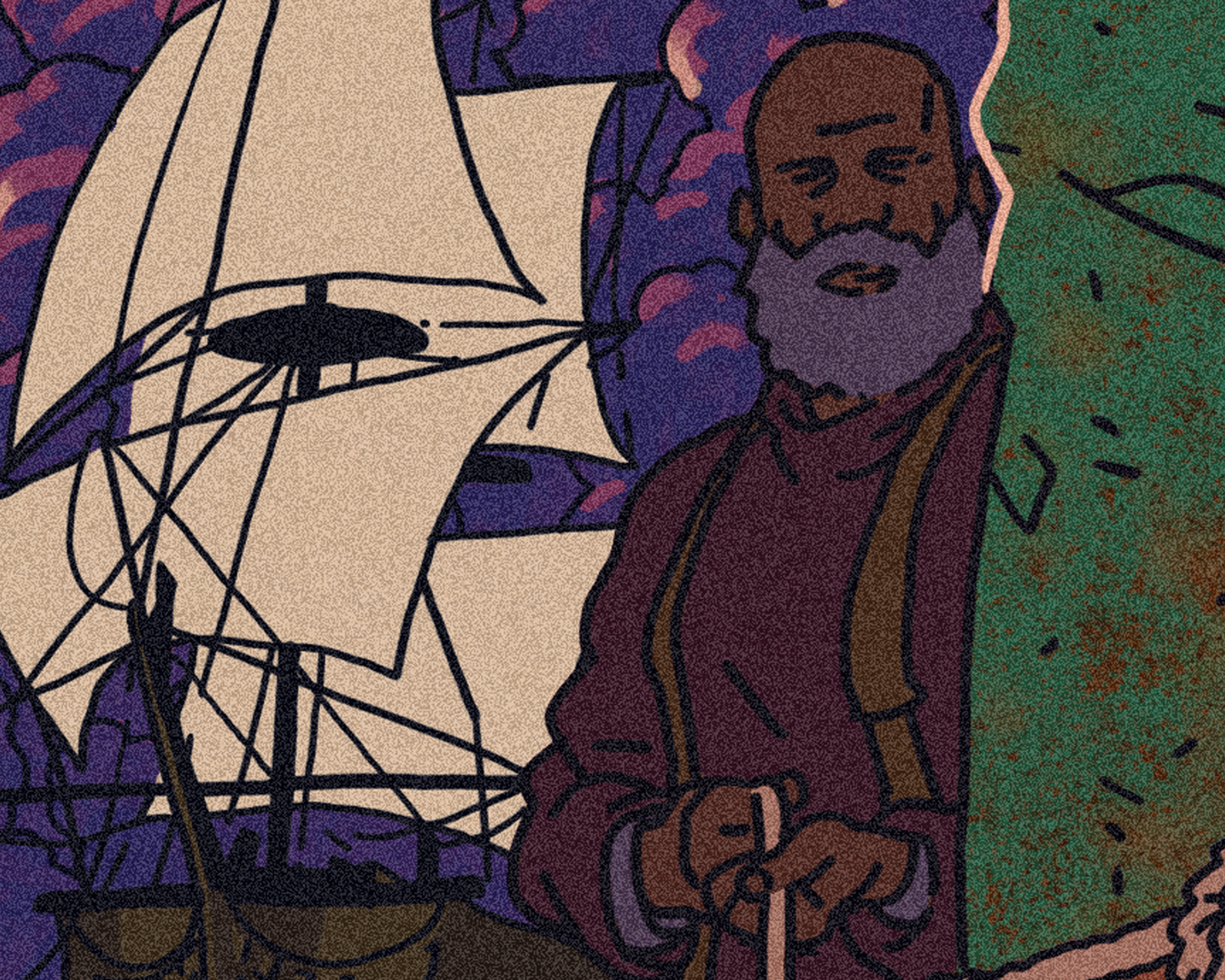
“Born into slavery in Mozambique, Brutus was trafficked to Brazil as a child. At age 10, he was purchased as an indentured servant by an American captain. Brutus left his indentured servitude for the sea, joining a whaling crew set for the Pacific. Black sailors experienced more freedom at sea than other occupations in the 1800s.”
Saba Island Maroons
“In 1656, a group of 14 enslaved people—five women and nine men—escaped the Dutch island of Saba. They traveled by barge 150 miles to Puerto Rico, where they claimed freedom and religious asylum in the Catholic colony. The courts decided that the group from Saba could not be definitively determined as being previously enslaved, and they were granted their freedom.”
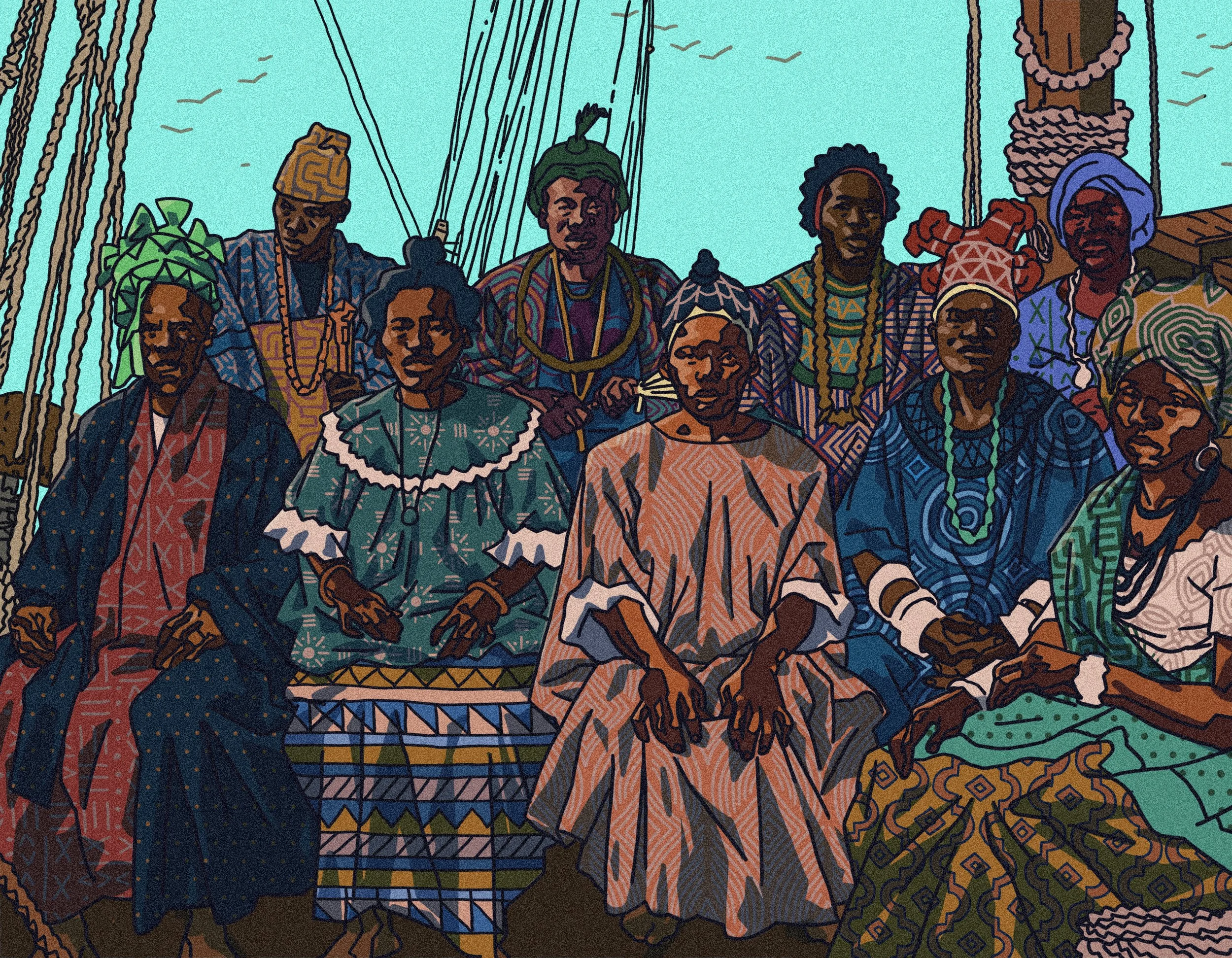
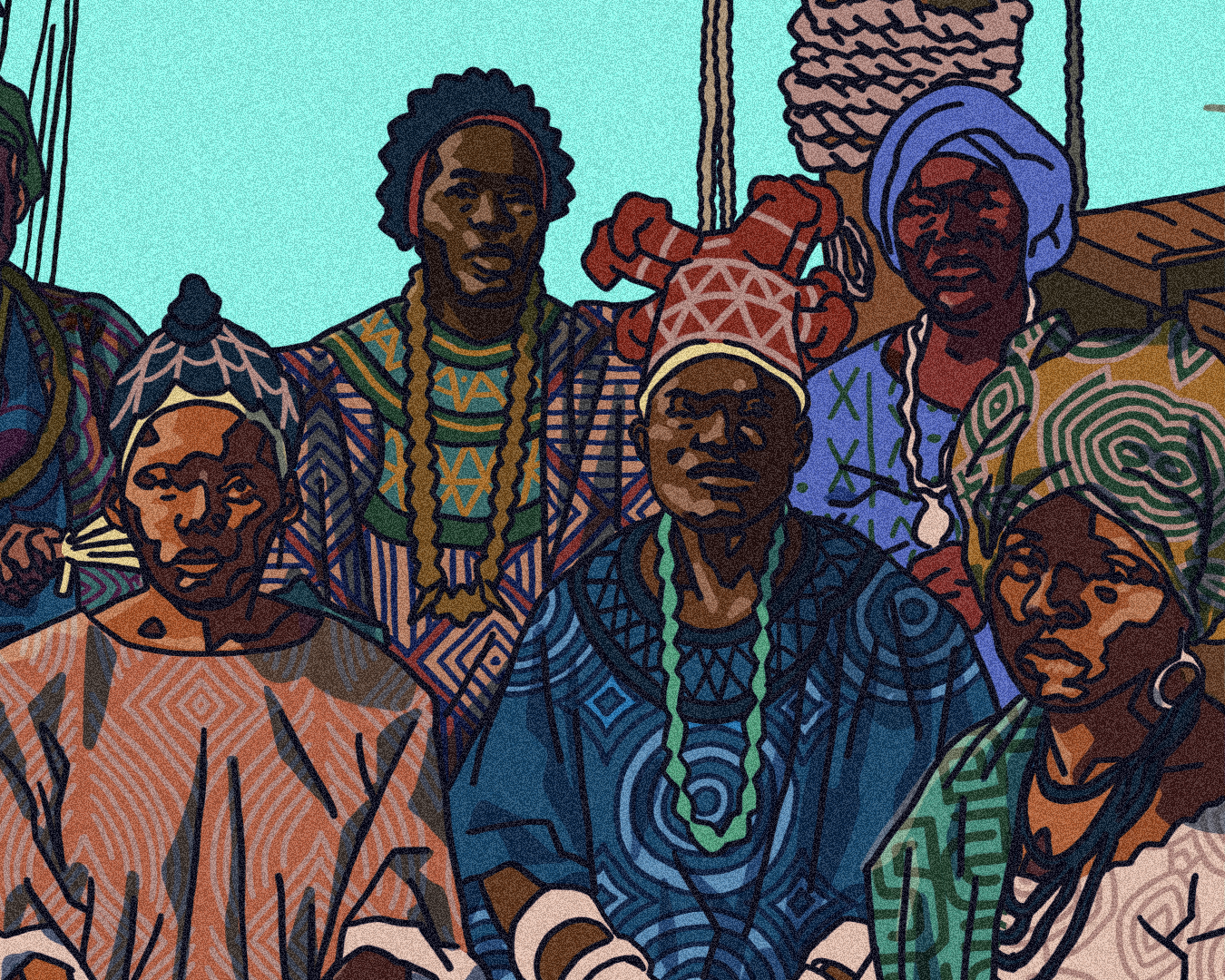
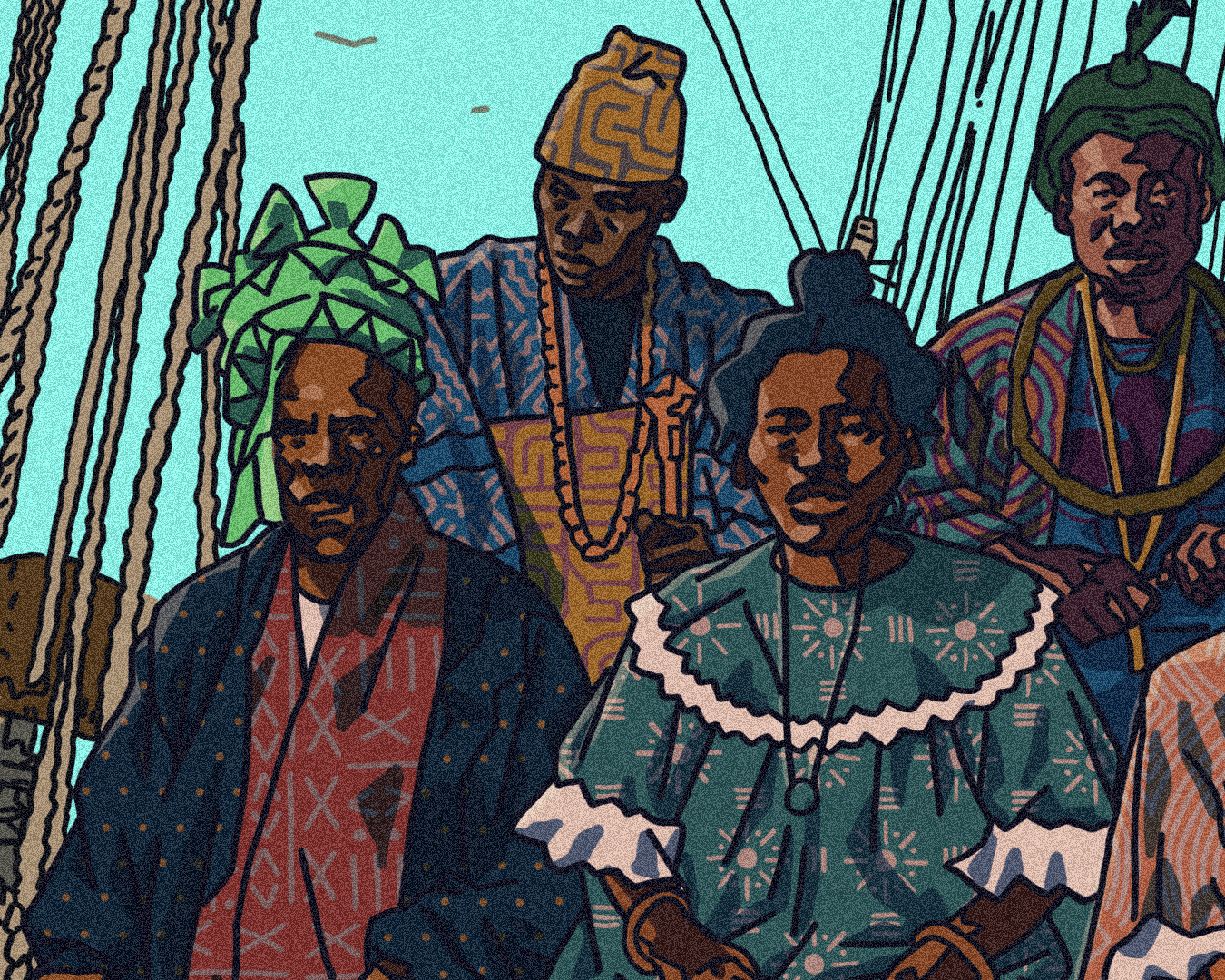
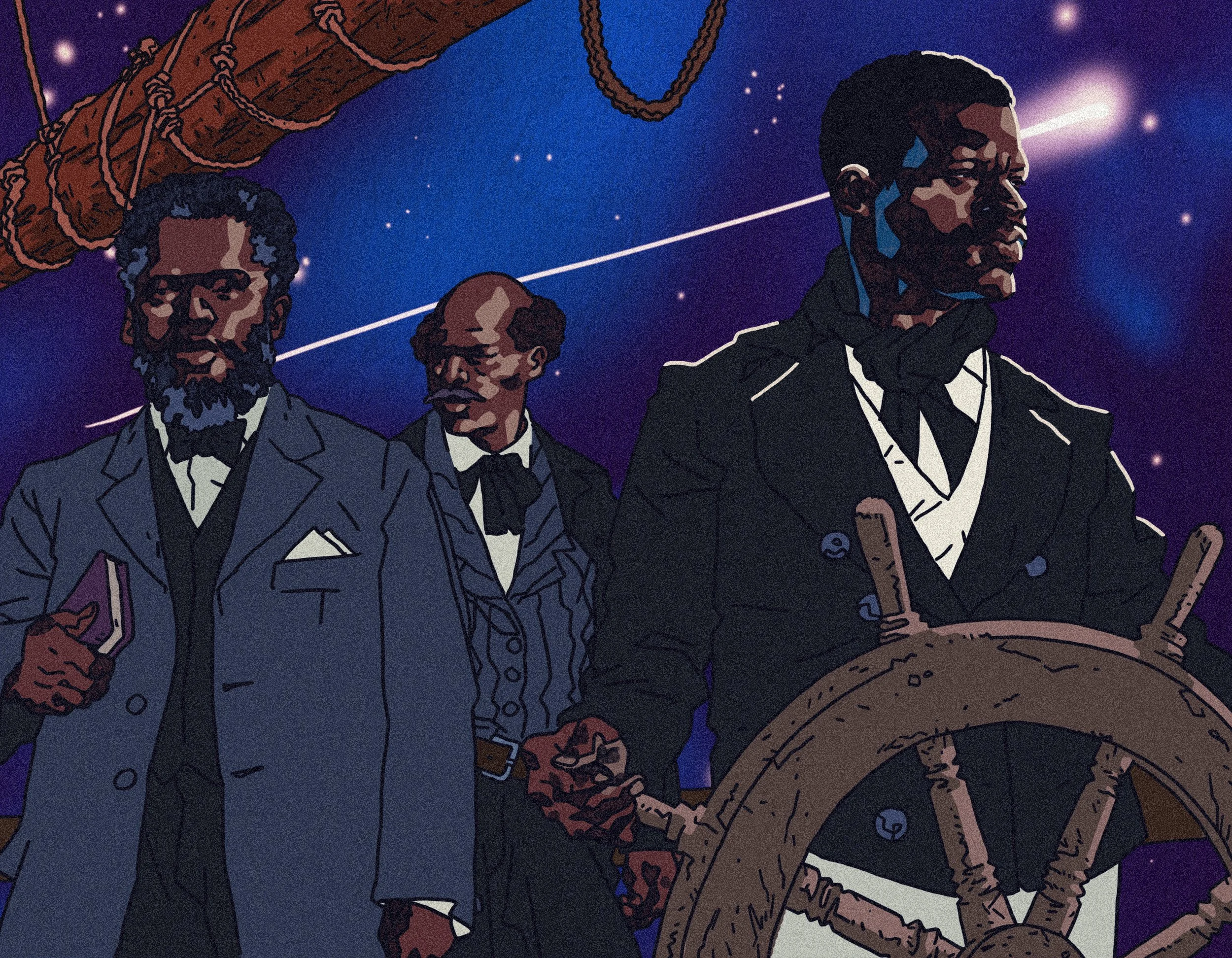
Mahommah Gardo Baquaqua
“As a young man, Baquaqua was captured in Benin and sold into slavery in Brazil, where he worked on a trade ship. In 1847, the ship sailed to New York, where Baquaqua was aided by abolitionists and eventually sent to Haiti as a free man. Baquaqua later travelled to England as an abolitionist and missionary with plans to return to Africa.”
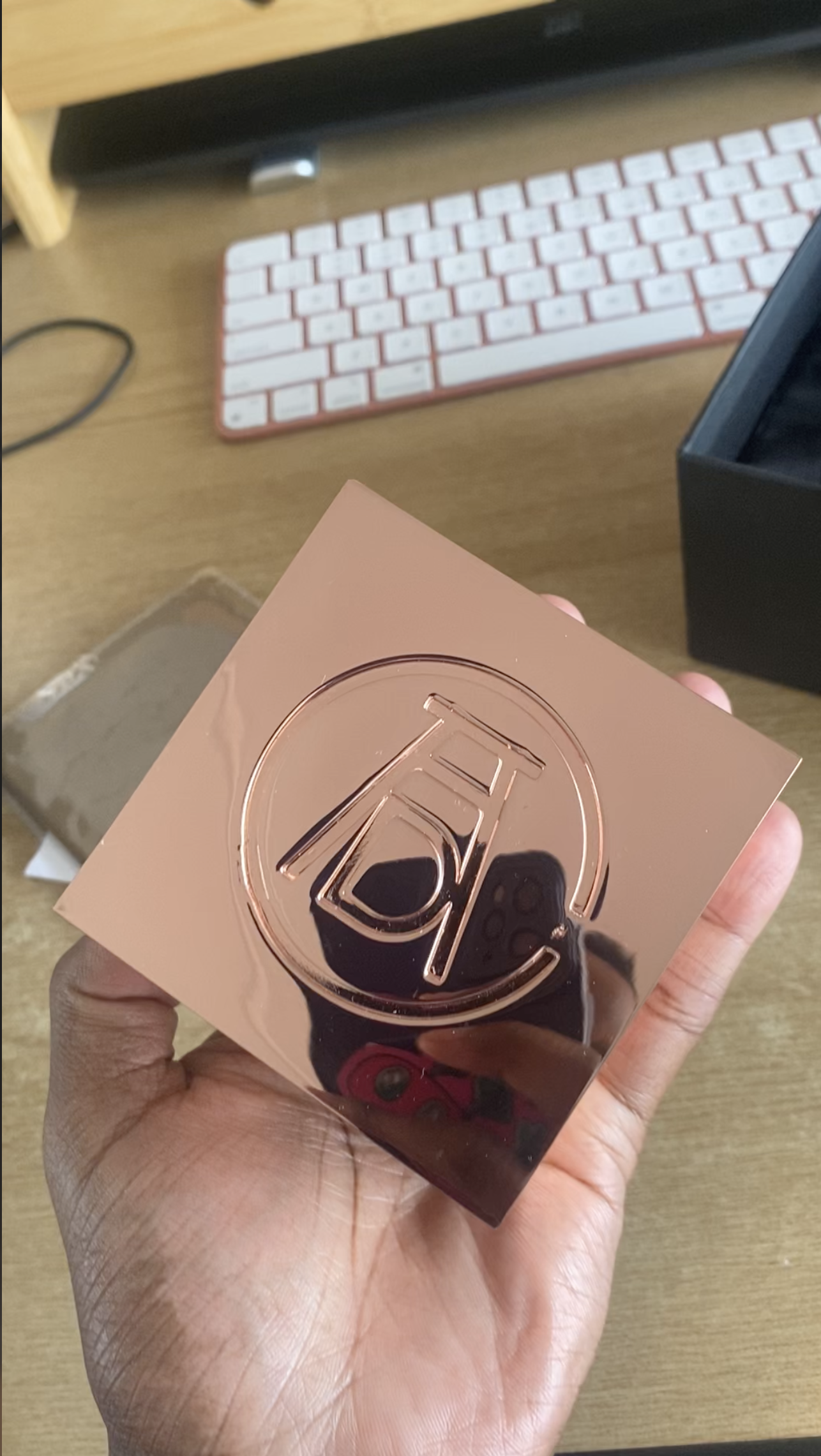
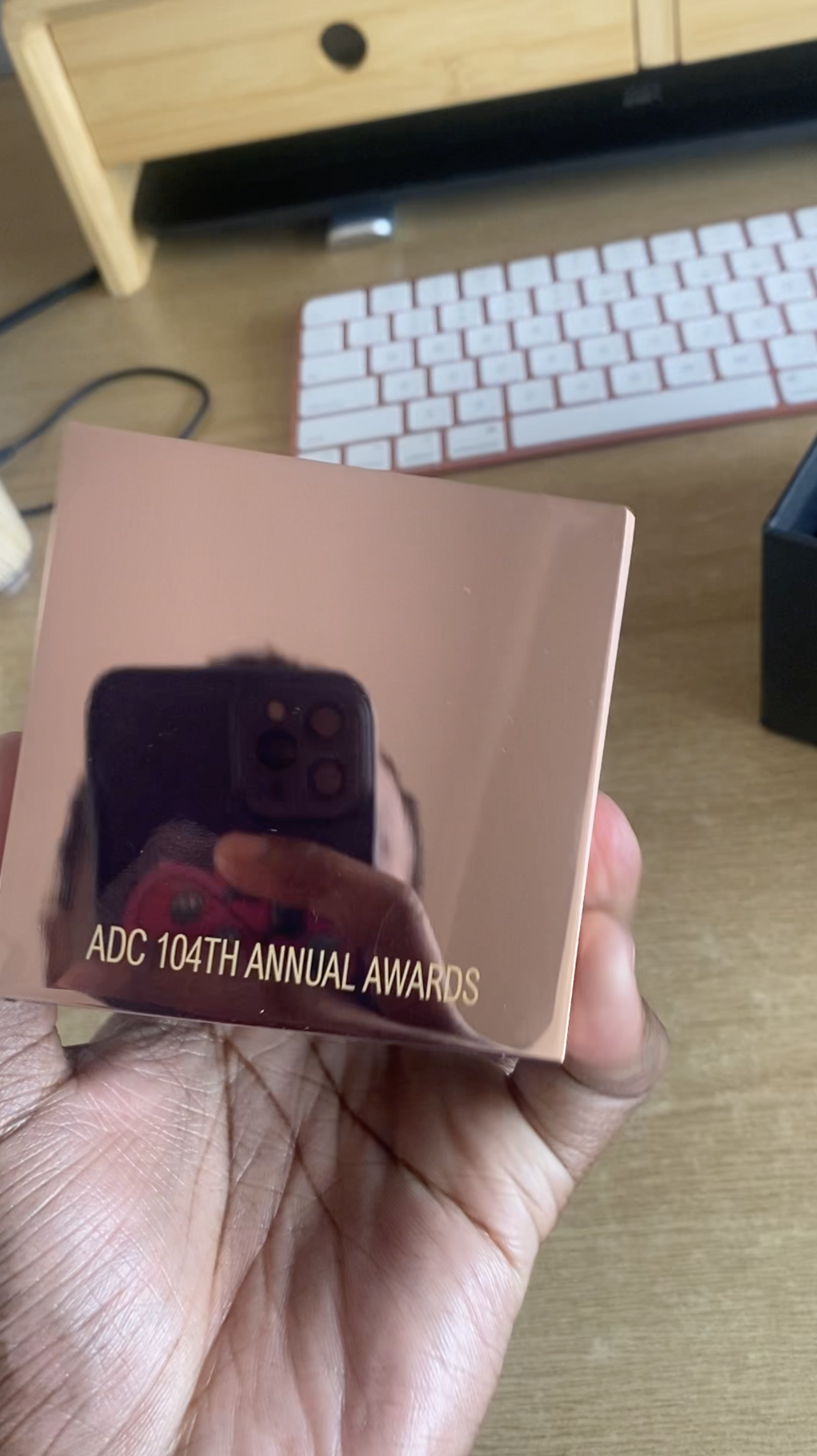
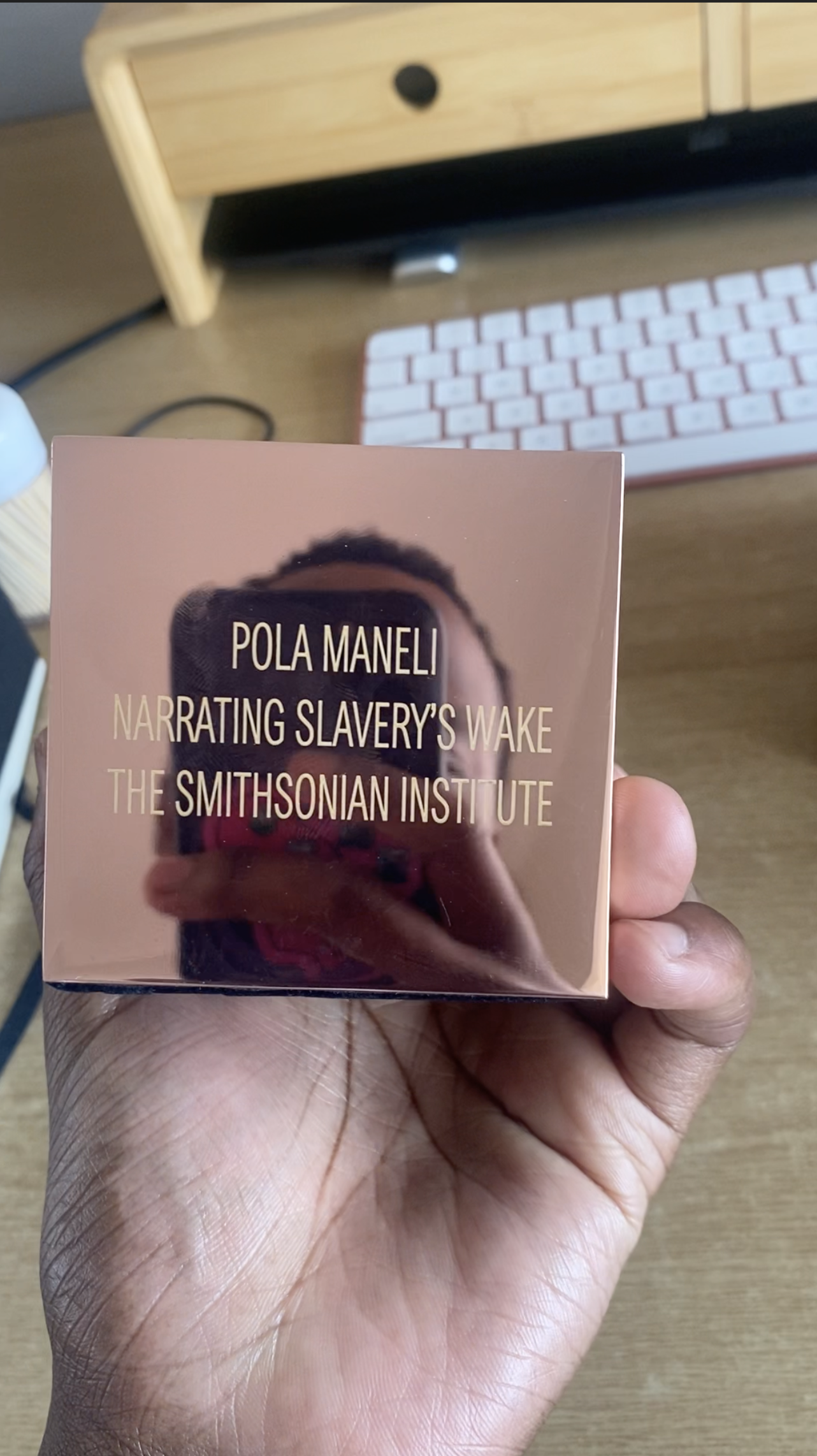
This project was awarded a Bronze Cube for Campaign Illustration from The One Club for Creativity and The Art Director’s Club.